

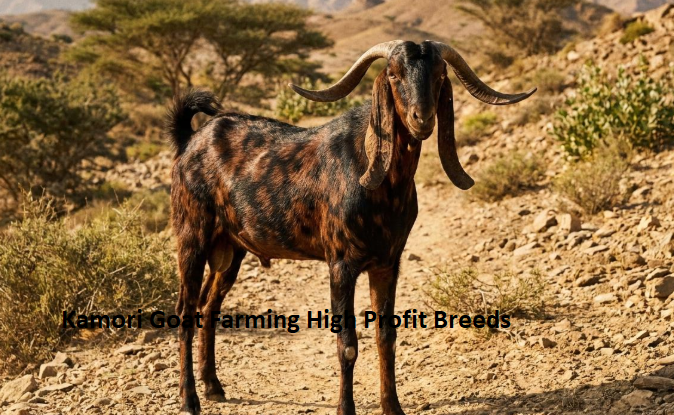
Successful kamori goat farming high profit breeds often center on the unique physical characteristics and cultural demand for this specific Sindhi variety. Investors and breeders frequently target this animal because of its distinct long ears, impressive stature, and reputation for high-quality meat.
By understanding the specific market dynamics and growth requirements, you can effectively manage a herd for maximum return on investment. This article provides a deep dive into the operational costs, breed selection criteria, and revenue streams essential for building a sustainable goat enterprise.
The financial viability of kamori goat farming high profit breeds is primarily driven by their high market value during religious festivals like Eid-ul-Adha. While standard goats might sell for lower prices, a well-fed, purebred Kamori can command a significant premium, often ranging from $500 to $2,000 per head depending on age, weight, and physical aesthetics.
These animals are prized for their heavy frame, which makes them a preferred choice for buyers looking for prestige animals. You should expect to invest heavily in high-protein feed and veterinary care to maintain the appearance that justifies these high price points.
Understanding the Kamori Breed Characteristics
The Kamori goat is indigenous to the Sindh province of Pakistan, known for its distinctive pendulous ears and large, muscular body. Their genetics make them a top-tier choice for farmers because they grow faster than many local crossbreeds when provided with optimal nutrition. A mature male can weigh between 80 and 120 kilograms, which immediately impacts the final sale price.
Breeders prioritize animals with long, wide ears and a uniform coat, as these features are highly sought after by collectors and buyers. You need to distinguish between purebreds and crossbreeds early, as the price difference can be substantial. Purebred Kamori goats display a specific facial structure and a Roman nose that buyers look for when selecting high-end livestock.
Initial Capital Requirements for Setup
Starting a profitable operation requires more than just buying goats; you need a facility that supports rapid growth and health. Your initial budget should account for land preparation, shed construction, and the procurement of high-quality breeding stock. Constructing a raised-floor shed is essential to prevent foot rot and internal parasite infestations, which are common killers of high-value livestock.
Budgeting for at least six months of operating costs is a standard practice for risk mitigation. This includes high-grade alfalfa, concentrate feed, and mineral supplements needed to achieve target weights. You will also need to allocate funds for biosecurity measures, such as perimeter fencing and a dedicated isolation area for new or sick animals.
Feed Management for Optimal Growth
Nutrition is the single largest variable cost in managing high-profit goat breeds. You cannot rely on open grazing alone if you want to reach the premium market weights that the Kamori breed is capable of achieving. A balanced ration must include a mix of green fodder and a dry concentrated mix containing wheat bran, cotton seed cake, and maize.
Key Nutritional Components
- Green fodder: Provides essential fiber and vitamins for digestion.
- Concentrates: Essential for rapid muscle development and weight gain.
- Mineral blocks: Crucial for bone strength and metabolic function.
- Clean water: Must be available 24/7 to prevent dehydration and metabolic issues.
Monitoring the feed conversion ratio is vital for maintaining margins. If your goats are consuming more feed than the weight they are gaining, you are losing money on every kilogram of growth. You can learn more about managing livestock nutritional requirements through the Food and Agriculture Organization’s animal production guidelines, which provide data on optimal feeding strategies.
Market Dynamics and Selling Seasons
Profitability in this sector is highly cyclical, with the majority of revenue realized during peak religious holiday seasons. You should time your breeding cycles so that your animals reach peak maturity and weight exactly two to three months before these events. This allows you to market them when demand is at its absolute highest point of the year.
The rest of the year, you should focus on low-cost maintenance and breeding to expand your herd size. Avoid selling during the off-season unless you have significant cash flow needs, as you will likely receive a fraction of the price you would get during peak demand. Maintaining a database of repeat buyers can also help you secure sales without relying solely on open livestock markets.
Health and Disease Prevention
A single disease outbreak can destroy the profitability of your entire herd within days. You must implement a strict vaccination schedule that covers common threats such as Peste des Petits Ruminants (PPR) and enterotoxemia. High-profit breeds are often more sensitive to environmental changes, meaning they require more consistent care than hardier, smaller breeds.
Keep a detailed log of every medical intervention, including the date, dosage, and type of medicine administered. This record is not just for your own management; it is a critical asset when selling to serious buyers who want proof of the animal’s health history. If you cannot produce a medical record, you may find it difficult to demand a premium price for your livestock.
Comparing Profitability Metrics
When evaluating different livestock options, it is helpful to look at the expected returns based on the investment of time and capital. The table below provides a general comparison of how different goat types perform in a commercial setting.
| Breed Type | Growth Rate | Market Demand | Profit Margin |
|---|---|---|---|
| Purebred Kamori | High | High (Prestige) | High |
| Beetal Cross | Moderate | High (General) | Moderate |
| Local Non-Descript | Low | Low | Low |
As shown in the table, the Kamori breed offers a higher potential for profit because the market demand is tied to prestige and aesthetics. While the initial investment is higher, the return on each individual animal is significantly better than that of lower-tier, general-purpose goats. You should aim to minimize the cost of maintenance while maximizing the cosmetic appeal of your herd.
Scaling Your Farming Operation
Scaling up requires a transition from basic husbandry to professional management. Once you have mastered the care of a small herd, you should look into genetic improvement programs to increase the quality of your offspring. This might involve purchasing a high-quality sire to improve the lineage of your herd over time.
Efficiency increases as you scale, particularly in feed procurement and labor management. Buying feed in bulk can reduce your costs by 15% to 25%, directly improving your bottom line. Ensure that your management systems, such as automated waterers and efficient waste removal, are designed to handle larger numbers of animals before you expand your herd size.
Financial Risk Mitigation
Operating in the livestock sector involves inherent risks such as market volatility and unexpected animal loss. You should diversify your income streams by selling manure as fertilizer or keeping a portion of the herd for breeding sales rather than just meat. Maintaining a cash reserve is non-negotiable for covering emergency veterinary costs or sudden increases in feed prices.
Regular auditing of your expenses is necessary to ensure you are not overspending on non-essential equipment. Focus your capital on the areas that directly impact the health and weight gain of your animals. By keeping a sharp eye on your daily operating costs, you can ensure that your venture into kamori goat farming high profit breeds remains a lucrative enterprise for years to come.
Final Perspectives
Kamori goat farming high profit breeds represents a specialized niche in the livestock industry that rewards attention to detail and market timing. By prioritizing the health of your animals and understanding the specific aesthetic demands of the market, you can secure significant returns on your investment. Remember that success in this field is not accidental; it is the result of rigorous health protocols, strategic feeding, and a deep understanding of the seasonal nature of demand.
Start by focusing on the quality of your stock rather than the quantity, as the premium market for these animals is driven by physical excellence. As you build your operation, keep your records precise and your management practices consistent. If you stay disciplined with your costs and focus on breeding for traits that buyers value, you will be well-positioned to succeed in this industry.
