

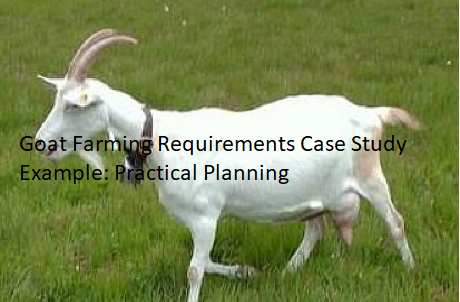
Analyzing a real-world goat farming requirements case study example provides the necessary clarity to move from abstract planning to actual land management. Many aspiring farmers struggle to bridge the gap between theoretical knowledge and the physical realities of housing, nutrition, and financial upkeep. By examining the operational metrics of a mid-sized herd, you can avoid common pitfalls that lead to early business failure.
This breakdown focuses on the specific infrastructure, space, and capital inputs required to sustain a healthy, productive population of 50 dairy goats. Understanding these foundational needs allows you to set a realistic budget and timeline before purchasing your first animal.
Initial Land and Infrastructure Needs
The primary constraint in any livestock operation is the ratio of animals to available acreage. For a herd of 50 goats, industry standards suggest a minimum of one acre of well-managed pasture for every 10 to 15 goats, depending on soil quality and forage regrowth rates.
Overgrazing is a common failure point that leads to parasite buildup and soil degradation, effectively destroying your primary feed source. You must divide your land into at least four paddocks to practice rotational grazing, which keeps the vegetation healthy and breaks the life cycle of common internal parasites.
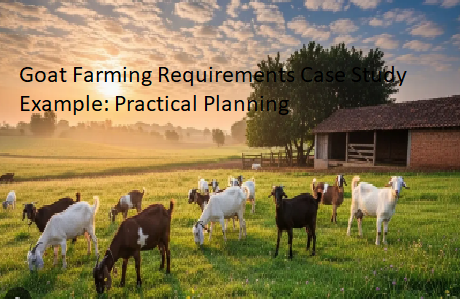
Infrastructure requirements go beyond simple fencing and shelter. Goats are notorious for challenging traditional boundaries, so high-tensile wire or woven-wire fencing at least 48 inches high is the absolute minimum standard.
You will also need a barn or three-sided shed that provides 12 to 15 square feet of indoor space per goat to ensure proper ventilation and prevent overcrowding. Proper flooring, such as packed gravel topped with wood shavings or straw, is essential to keep the animals dry and minimize hoof rot risks.
Financial Capital and Startup Costs
A realistic goat farming requirements case study example must account for the high initial outlay before the first drop of milk or sale of a kid. Startup costs typically include land preparation, fencing materials, barn construction, and the purchase price of quality breeding stock.
You can expect to invest between $15,000 and $25,000 for a basic, functional setup for a 50-head operation, excluding the actual cost of the land if it is already owned. This budget covers essential equipment like milking stands, automated waterers, and medical kits for routine health management.
Operating expenses are equally critical to monitor during the first two years of the business. Feed costs, including high-quality hay during winter months and supplemental grains, often represent 60% of your total annual operating budget.
Veterinary bills, including vaccinations for enterotoxemia and tetanus, must be factored into your fixed costs regardless of whether you have an active illness in the herd. Keeping a liquid cash reserve of at least three months of operating expenses is the standard advice from agricultural extension services to handle unexpected price spikes in feed or emergency medical situations.
Herd Genetics and Breeding Objectives
Selecting the right breed is not just about personal preference; it is a business decision based on your target market. If you are aiming for dairy production, breeds like Saanens or Alpines are the industry standard due to their high volume of milk output.
Meat-focused operations often favor Boer or Kiko goats because of their rapid weight gain and hardiness in diverse climates. A common mistake is buying cheap, unverified stock at local auctions, which often leads to hidden health issues and poor production traits that hinder profitability.
Understanding the classification of crossbreeding helps you improve your herd over time. When you cross a purebred buck with a commercial doe, the offspring are referred to as F1, which often exhibit hybrid vigor and improved growth rates.
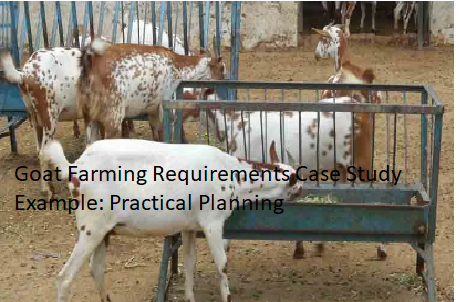
As you continue to breed these animals further, the F2 and F3 generations require careful record-keeping to ensure you do not lose the desirable traits you initially sought. You can find detailed resources on genetic management through institutions like the Extension Foundation to guide your breeding program.
Daily Operational Workflow
Success in goat farming depends on the consistency of your daily routine. A typical morning starts at 5:00 AM with milking, followed by a thorough inspection of each animal for signs of illness or injury.
Goats are highly susceptible to stress, and a change in behavior—such as staying away from the rest of the herd—is often the first indicator of a health issue like pneumonia or mastitis. You must maintain a clean, dry environment, which involves daily cleaning of the milking parlor and weekly removal of soiled bedding from the barn.
Water management is often overlooked but remains a critical requirement for high milk production. A lactating doe will consume between 2 and 4 gallons of water per day, and this water must be kept clean and accessible at all times.
If the water source is contaminated by manure or stagnant, the goats will drink less, immediately causing a drop in their milk yield. Automated waterers with heating elements are a worthwhile investment in colder climates to ensure the water does not freeze during the winter months.
Comparison of Production Systems
Different management systems yield different financial results depending on your local market demand. The table below outlines how intensive, semi-intensive, and extensive systems compare across key operational variables for a 50-goat herd.
| System Type | Feed Strategy | Labor Intensity | Capital Requirement |
|---|---|---|---|
| Intensive | High grain, stored hay | Very High | High |
| Semi-Intensive | Mixed grazing/supplement | Moderate | Moderate |
| Extensive | Mostly forage | Low | Low |
Intensive systems require higher management skill but allow for greater control over the final product quality. Extensive systems are cheaper to run but often result in lower growth rates and less consistent milk production.
Most successful small-scale farmers operate in the semi-intensive range to balance cost-efficiency with reliable output. Choosing your system early on defines your daily schedule and your long-term profit margins.
Marketing and Revenue Streams
Diversifying your income is the most effective way to stabilize a goat farming business. While milk sales are the primary driver, value-added products like cheese, yogurt, and soap often provide significantly higher profit margins.
Selling goat manure as high-quality compost to local gardeners is an often-ignored revenue stream that can cover a portion of your feed costs. You should also consider the sale of breeding stock, as high-quality, registered animals can command prices far higher than those sold for meat or commercial milk production.
Building a brand identity is essential for direct-to-consumer sales. Whether you are selling at farmers’ markets or through a subscription model, your packaging and story matter to the consumer.
Modern customers are willing to pay a premium for products that come from farms with transparent animal welfare practices. Document your farm’s life and share your processes on social media to build trust and create a loyal customer base that supports your business during lean seasons.
Regulatory and Legal Compliance
Operating a farm involves navigating a complex web of local, state, and federal regulations. You must first verify the zoning laws of your property, as many residential or suburban areas prohibit livestock or strictly limit the number of animals allowed.
If you intend to sell dairy products, the regulations become significantly stricter, requiring specialized permits and regular facility inspections by your local health department. You should contact your local agricultural agent to get a full list of required permits before investing in your infrastructure.
Insurance is another non-negotiable requirement for a sustainable operation. General farm liability insurance covers you in the event of accidents involving the public or damage to neighboring properties.
You should also consider property insurance that covers your equipment and barn structures against fire or extreme weather events. These costs are often underestimated in the planning phase but are essential to protect your total investment from a single catastrophic event.
Key Operational Milestones
Tracking progress against specific milestones helps keep the business on schedule during the first three years. These goals ensure you are not just keeping animals, but building a sustainable enterprise that generates a return on your investment.
- Year 1, Q1: Complete site preparation, fencing, and barn construction.
- Year 1, Q2: Purchase foundation breeding stock and establish health protocols.
- Year 1, Q3: Implement rotational grazing schedules and secure initial feed contracts.
- Year 2, Q1: Achieve first full cycle of kidding and start milk production.
- Year 2, Q2: Obtain health department permits for direct-to-consumer dairy sales.
- Year 3, Q1: Analyze profitability of value-added products versus raw milk.
These milestones provide a clear roadmap for growth and help identify when you need to scale up or pivot your strategy. If you miss a milestone, it is a signal to pause and re-evaluate your resource allocation before proceeding. Consistent monitoring of these targets is what separates a successful farm from a hobby that drains your personal finances.
Frequently Asked Questions
How much space do I need for a small herd?
You generally need about one acre for every 10 to 15 goats if you are relying on pasture. If you are keeping them in a dry lot with supplemental feed, you need significantly less land, but you must invest more in cleaning and manure management.
What is the most profitable product to sell?
Value-added products like artisan cheese or specialty soaps typically offer the highest profit margins compared to raw milk or meat. These items allow you to differentiate your brand and capture a higher price point in the retail market.
Do goats require a lot of vet care?
Goats are prone to internal parasites and respiratory issues, meaning they require a consistent preventative health program. You should budget for annual vaccinations, hoof trimming, and regular fecal testing to stay ahead of potential health crises.
Can I start with just one or two goats?
Goats are herd animals and will become highly stressed or depressed if kept alone. You should start with at least two or three animals to ensure they remain healthy and manageable, though a commercial operation usually starts with larger numbers.
What is the most common reason for failure?
The most common reasons for failure are poor parasite management and underestimating the cost of high-quality feed. If you do not have a plan to manage the health of your soil and your animals, the financial burden of constant medical intervention will quickly outweigh your profits.
Conclusion
Developing a successful operation requires a clear understanding of the fundamental inputs and the discipline to maintain them. By reviewing a goat farming requirements case study example, you can see that the key to longevity is balancing your land capacity with your financial reserves. Start with a modest herd size to learn the nuances of animal husbandry before attempting to scale your production.
Focus on high-quality genetics and diverse revenue streams to ensure your farm remains profitable even during market fluctuations. Success in this field is rarely about one big win, but rather the consistent, daily execution of your management plan. Take the time to secure your permits, build your infrastructure correctly, and connect with your local farming community for ongoing support as you grow.
