

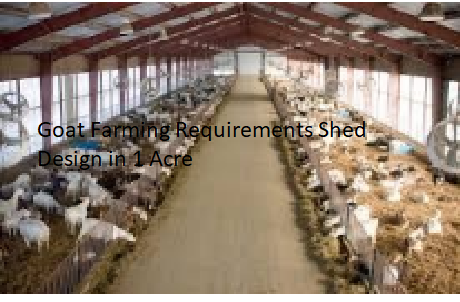
Understanding the specific goat farming requirements shed design in 1 acre is essential for any small-scale producer looking to maximize their land efficiency while ensuring animal welfare. On a single acre, you are limited by space and waste management needs, making your structural layout the most critical factor in your success.
By focusing on vertical space, proper ventilation, and rotational grazing, you can maintain a healthy herd of roughly 6 to 10 goats without overgrazing your pasture. This article provides the technical specifications and design strategies needed to optimize your small-scale operation for long-term productivity and animal health.
The primary requirement for goat farming on a single acre is balancing indoor shelter with outdoor exercise space. You should allocate approximately 12 to 15 square feet of indoor space per adult goat to prevent overcrowding and reduce stress-related illnesses.
For a herd of 10 goats, your shed should cover at least 150 square feet, leaving the remainder of the acre for forage and waste decomposition areas. Proper orientation is equally vital; the open side of your shed must face away from prevailing winds to protect the animals from drafts and rain.
Structural Layout and Foundation
Your shed foundation requires a dry, well-drained site to prevent hoof rot and respiratory issues in your herd. Building on a slight slope or installing a raised gravel pad ensures that moisture drains away from the structure during heavy rainfall.
If you choose a concrete slab, you must cover it with thick bedding, as concrete is too cold and unforgiving for goat joints. Alternatively, a packed earth floor works well if it is kept dry and replaced periodically to prevent ammonia buildup.
The structural frame should be durable enough to withstand the climbing habits of goats, who will inevitably use the walls as jungle gyms. Use pressure-treated lumber for the base and ensure all interior walls are smooth to avoid snagging their coats or causing injury.
If you use corrugated metal for siding, ensure the edges are capped or covered so the goats cannot cut themselves. A gable roof design is often preferred because it provides better ventilation at the peak, allowing hot, moist air to escape during the summer months.
Ventilation and Airflow Management
Goats are highly susceptible to respiratory ailments, making ventilation the most important aspect of your shed design. A solid-walled building with only one door will quickly become a breeding ground for bacteria and pneumonia-causing pathogens.
You should aim for a design that features an open front or adjustable shutters that can be closed during extreme winter storms. The roof pitch should be steep enough to encourage natural convection, pulling fresh air in through the front and pushing stale, humid air out through the top.
Monitoring the internal humidity levels is essential for maintaining a healthy environment for your animals. If you notice condensation on the walls or a strong smell of ammonia, your airflow is insufficient and you must add more vents.
Installing ridge vents along the roofline is a highly effective way to ensure constant air exchange without creating direct drafts on the goats. Always ensure that the sleeping area remains dry, as damp bedding is a primary vector for parasites and skin diseases.
Fencing and Grazing Integration
On a one-acre plot, you cannot afford to leave your goats in one paddock for an extended period, or you will quickly run out of forage. Implementing a rotational grazing system is the only way to sustain your herd on such a small footprint.
Divide your acre into at least four smaller paddocks, allowing the goats to move between them while the grass recovers. This practice also breaks the life cycle of intestinal parasites, which is a major challenge in high-density farming.
Your fencing must be robust, as goats are notorious for testing any weakness in a perimeter. Woven wire fencing, often called “no-climb” fencing, is the gold standard for keeping goats contained and predators out.
You should bury the bottom of the fence a few inches into the ground to prevent them from digging underneath. For more information on managing animal health and safety, you can consult the USDA Animal and Plant Health Inspection Service for guidelines on best practices for small livestock operations.
Bedding and Sanitation Systems
The deep litter method is the most efficient way to manage waste in a small shed. By adding fresh layers of straw or wood shavings over existing manure, you create a composting environment that generates heat during the winter and remains relatively dry.
This method only requires a full clean-out once or twice a year, saving you significant labor time. Ensure the bedding is always at least four to six inches deep to provide a cushion and absorb urine effectively.
If you prefer a more frequent cleaning schedule, you must design your shed floor with a slight slope toward a drainage channel. This channel should lead to a dedicated composting area located at least 50 feet away from the shed to minimize odor and fly populations.
Never allow manure to accumulate in the feeding area, as this is the fastest way to spread coccidiosis and other common goat diseases. A clean environment directly correlates to higher milk production and better weight gain in your herd.
Essential Equipment and Internal Features
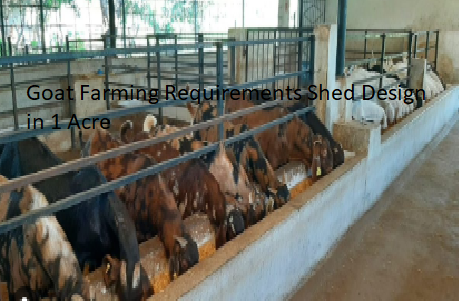
The interior of your shed should be outfitted with specific fixtures to minimize waste and maximize efficiency. Elevated hay feeders are mandatory, as goats will refuse to eat hay that has been trampled on or soiled.
Using a wall-mounted hay rack keeps the feed clean and prevents the animals from wasting expensive forage. You should also install a mineral feeder that is accessible at all times, as goats need constant access to loose minerals to maintain their health.
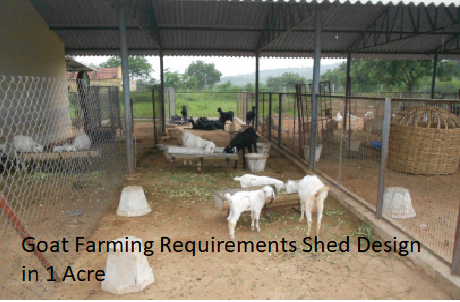
Water delivery is another critical design element that often gets overlooked in small-scale setups. Goats prefer fresh, clean water and will drink significantly less if the water is stagnant or dirty.
Using a frost-free automatic waterer is a great investment, but ensure it is installed away from the sleeping area to prevent accidental spills from soaking the bedding. Below is a summary of the basic equipment required for a 10-goat operation:
| Equipment Item | Quantity Needed | Purpose |
|---|---|---|
| Hay Feeder | 2 Units | Reduces feed waste |
| Mineral Station | 1 Unit | Health and nutrition |
| Automatic Waterer | 1 Unit | Constant hydration |
| Sorting Gate | 1 Unit | Medical handling |
Security and Predator Protection
Even on a small one-acre farm, predators can be a significant threat to your herd. Your shed design should include a locking mechanism that is simple for you to operate but complex enough to deter raccoons and stray dogs.
A heavy-duty slide bolt with a carabiner is usually sufficient for most predators, but keep in mind that clever animals can learn to manipulate simple latches. Ensure the shed has no gaps around the doors or windows where small predators like weasels could enter.
Lighting is another factor in security, especially if you have a high-predator environment. Motion-activated solar lights mounted on the exterior of the shed can scare off nocturnal hunters like coyotes or foxes.
You should also consider housing a livestock guardian dog or using a secure night-pen system to keep your goats safe during the hours of darkness. Remember that a stressed goat is a sick goat, and feeling safe is a physiological requirement for consistent production.
Seasonal Adjustments for Climate
Adapting your shed for seasonal changes is necessary regardless of your local climate. In hot regions, you must ensure the shed provides deep shade and that you have installed fans to promote airflow during the peak of summer.
In colder regions, you might need to install temporary windbreaks or insulated panels that can be removed once the temperature rises. The goal is to keep the internal temperature within a range that the animals find comfortable, typically between 40 and 80 degrees Fahrenheit.
You should also keep a small, partitioned area within the shed for kidding or for isolating sick animals. This “sick bay” should be easily accessible from the outside so you can move an animal without disturbing the rest of the herd.
This area should have its own separate water and feed supply to prevent cross-contamination during a health crisis. Keeping this space ready at all times is a sign of a prepared and professional goat farmer.
Frequently Asked Questions
How many goats can I realistically keep on one acre?
For a sustainable, long-term setup, you should limit your herd to 6 to 10 adult goats depending on the quality of your pasture. Keeping more will likely lead to rapid overgrazing, requiring you to purchase more supplemental feed and increasing your parasite management costs significantly.
What is the most common mistake in goat shed design?
The most common mistake is failing to prioritize adequate ventilation, which leads to respiratory issues. Many beginners build sheds that are too enclosed, leading to excessive humidity and ammonia buildup that quickly compromises the health of the entire herd.
Does the shed need a concrete floor?
No, a concrete floor is often discouraged because it is cold, slippery, and hard on the goats’ hooves. A well-packed, dry earth floor covered with a deep layer of straw or wood shavings is generally preferred for comfort and insulation.
How do I stop my goats from destroying their shelter?
Goats are natural climbers and chewers, so you must use smooth, durable materials and minimize exposed edges. Avoid using soft woods or thin wire mesh on walls, as these will be destroyed quickly; instead, use heavy-duty plywood or metal panels that are secured firmly to the frame.
Can I use the same shed for kidding?
Yes, but you should design a removable partition or a dedicated pen within the shed for kidding. This provides the doe with privacy and safety while ensuring that the newborn kids are protected from the rest of the herd until they are strong enough to integrate.
Conclusion
Successfully managing goat farming requirements shed design in 1 acre hinges on your ability to balance space, ventilation, and sanitation. By focusing on deep litter bedding, rotational grazing, and robust construction, you create an environment where your animals can thrive rather than just survive. Start by mapping out your paddock rotation before you break ground on your structure, as the location of the shed will dictate how you manage the rest of your land.
Keep your design simple, prioritize airflow, and maintain strict cleanliness to minimize the need for veterinary intervention. If you implement these strategies, you will find that a small, well-managed plot can be highly productive and rewarding.
Take the time to observe your herd’s behavior, as they will often tell you exactly what is missing from their environment. Reach out to local agricultural extensions if you encounter specific challenges related to your local climate or soil type.
