

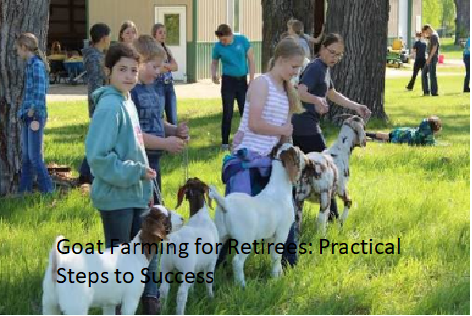
Starting a goat farming side business offers a practical way to generate supplemental income while working with livestock on a manageable scale. Many small-scale producers find that these animals provide high utility, whether through milk production, meat, fiber, or vegetation control services. Unlike cattle, goats require less acreage and fewer heavy-duty resources, making them an accessible entry point for beginners.
Understanding the specific market demands in your region will determine your success, as your focus might range from breeding high-quality dairy stock to managing a rental herd for brush clearing. You can build a sustainable operation by balancing animal welfare with careful financial planning and consistent management.
The profitability of a goat farming side business depends primarily on your chosen niche and the scale of your operation. Small-scale farmers often report net margins ranging from 15% to 30% once the initial infrastructure is paid off, though this varies significantly by region and market access. You can expect to spend anywhere from $1,500 to $5,000 to get a foundational herd of five to ten goats started, including essential fencing, housing, and initial veterinary costs.
Dairy goats typically offer the fastest return on investment through the sale of raw milk or value-added products like cheese and soap. Meat goats, while requiring less daily handling, often follow a seasonal sales cycle that necessitates careful planning for slaughter and distribution.
Understanding Land Requirements
Goat management centers heavily on how you utilize your available space. A general rule of thumb for sustainable grazing is that you can support six to ten goats per acre, depending on the quality of forage and your willingness to provide supplemental hay. If you are using goats primarily for brush control, you can often stock them more densely for short periods, provided you have a rotational grazing plan to prevent soil erosion.
You need at least one acre of land to get started comfortably, though you can manage a smaller herd on a dry-lot system if you are prepared to buy 100% of their feed. Always check local zoning laws, as some suburban areas restrict livestock density or require specific setback distances from neighboring properties.
Infrastructure and Shelter
Your investment in infrastructure is the most significant upfront cost for your side business. Goats are notorious escape artists, so investing in high-quality woven-wire fencing at least 48 inches high is non-negotiable. You must also provide a three-sided shelter that is dry, draft-free, and oriented away from prevailing winds.
Providing a raised platform or pallet system inside the shelter keeps the animals off the cold ground, which reduces the risk of respiratory infections. A simple barn or converted shed is usually sufficient, provided it offers roughly 12 to 15 square feet per goat of indoor space.
Selecting the Right Breed
Choosing a breed should align directly with your revenue goals. For dairy production, Nubians and LaManchas are popular choices due to the high butterfat content of their milk, which is ideal for artisan cheesemaking. If your goal is meat production, Boer goats are the industry standard because of their rapid growth rates and heavy muscling.
For those interested in fiber, Angora goats produce high-quality mohair, though they require more intensive grooming and shearing management. You can find detailed breed standards and health resources through the eXtension Foundation, which provides research-backed information for small-scale agricultural producers.
| Breed Type | Primary Output | Management Intensity |
|---|---|---|
| Boer | Meat | Low to Medium |
| Nubian | Dairy | High |
| Angora | Fiber | High |
| Kiko | Brush Clearing | Low |
Health and Veterinary Care
Maintaining a healthy herd is the difference between a profitable venture and a money pit. You should establish a relationship with a local large-animal veterinarian before you bring your first goat home. Common health issues include internal parasites, foot rot, and enterotoxemia, all of which require proactive management strategies.
Implementing a strict deworming schedule and keeping up-to-date on vaccinations like CD&T will save you significant money in emergency vet bills. Always keep a basic medical kit on hand that includes a thermometer, antiseptic, electrolytes, and specialized syringes for oral medication.
Marketing Your Products
Marketing is where your side business transitions from a hobby into a source of real income. If you are selling milk or cheese, you must navigate state-specific raw milk laws, which vary drastically across the country. Many farmers find success by selling “herd shares” or focusing on non-food items like goat milk soap, which carries fewer regulatory hurdles.
For meat production, direct-to-consumer sales often yield the highest margins compared to selling at a livestock auction. Building a presence on local farmers’ market platforms or social media groups can help you secure loyal customers who appreciate the transparency of locally raised food.
Seasonal Management Cycles
A goat farming side business requires a commitment to a cyclical calendar. Breeding typically occurs in the fall, resulting in spring kids, which is when your labor demands will spike significantly. You need to be prepared for “kidding season,” which involves monitoring pregnant does, assisting with births, and ensuring the health of newborns.
Summer is usually focused on pasture management and hay storage, while winter involves increased feed costs and protective care against harsh weather. You can streamline these tasks by keeping detailed records of breeding dates, medical treatments, and feed consumption to identify which animals are your most productive assets.
Financial Tracking and Costs
You must treat your operation like a business from day one to avoid hidden losses. Create a simple spreadsheet to track your feed, medication, fencing, and breeding costs against your revenue. Feed is usually your largest recurring expense, so sourcing bulk hay during the harvest season can significantly lower your overhead.
Consider the time value of your labor, especially if you are milking twice a day, as this daily commitment can lead to burnout if not accounted for in your profit margins. Small-scale farmers often find that keeping a small herd of 5-10 goats is the “sweet spot” for balancing profit with the time constraints of a secondary job.
Essential Equipment Checklist
* Woven-wire fencing: Essential for predator control and containment.
* Mineral feeders: Specialized loose minerals are required to prevent deficiencies.
* Water troughs: Automatic waterers reduce labor but require consistent cleaning.
* Hoof trimmers: Regular maintenance is necessary to prevent painful foot rot.
* Scale: Measuring growth rates helps you decide when to market meat kids.
* Grooming brushes: Essential for fiber breeds and general hygiene.
Frequently Asked Questions
Is it possible to make a full-time income from a small goat farm?
While possible, it is extremely difficult to generate a full-time living from a small-scale goat operation without significant scale or high-value added products. Most successful farmers treat this as a supplemental income stream that covers its own costs and provides a modest profit. To scale to a full-time level, you would likely need to manage a herd of at least 50-100 breeding does.
How much land do I need to clear brush with goats?
Goats are incredibly efficient at clearing overgrown land, and you can generally use them to clear an acre of heavy brush in a few weeks with a group of 10 to 15 animals. You do not need permanent pasture for this; instead, you use portable electric netting to move them across the property. This prevents overgrazing and ensures that the animals focus on the target vegetation rather than the grasses you want to preserve.
How do I handle the legal requirements for selling goat milk?
Laws regarding the sale of raw milk are highly restrictive and vary by state. You should contact your state’s Department of Agriculture to understand the specific permits required for selling dairy products. Many small farmers bypass these regulations by selling raw milk for “pet consumption only” where legal or by focusing on value-added products like soap and lotion that do not require dairy processing licenses.
What is the most common cause of death in small goat herds?
Internal parasites, particularly Haemonchus contortus or the barber pole worm, are the most frequent cause of health decline in goats. These parasites thrive in warm, humid climates and can quickly overwhelm a herd if you do not practice rotational grazing. You can manage this by testing fecal samples and using targeted deworming rather than blanket treatments, which helps prevent the development of drug-resistant parasites.
How long does it take for a goat to reach market weight?
For meat breeds like the Boer or Kiko, you can typically reach a marketable weight of 60 to 80 pounds within four to six months. This timeframe assumes the kids are provided with high-quality forage and supplemental grain to support rapid growth. If you are raising goats on pasture only, this process may take two to three months longer, but your feed costs will be lower.
Building a successful goat farming side business requires a balance of animal husbandry skills and basic business management. You should start small, prioritize the health of your initial herd, and focus on one specific product or service before attempting to diversify. By tracking your expenses and staying disciplined with your grazing and medical protocols, you can create a sustainable operation that provides both personal satisfaction and financial growth.
Take the time to observe your animals daily, as they are excellent at signaling health issues before they become expensive problems. As your experience grows, you will find that a well-managed goat farming side business can be a rewarding way to diversify your income while actively participating in local agriculture.
