

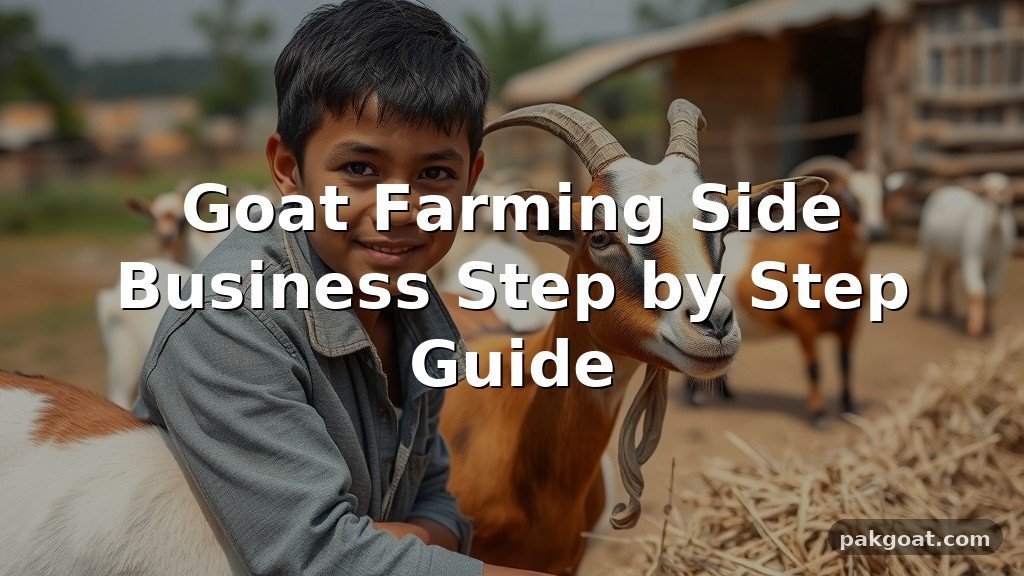
Starting a goat farming side business step by step guide requires careful planning, manageable initial capital, and a clear understanding of your local market needs. Many beginners successfully enter this industry by focusing on small-scale production, such as goat milk, meat, or fiber, while maintaining their primary employment.
By adhering to a structured goat farming side business step by step guide, you can minimize financial risk while learning the essential husbandry skills needed for long-term growth. This approach focuses on efficiency and scalability, ensuring that your venture remains both sustainable and profitable as you navigate the complexities of livestock management.
Understanding the Financial Commitment
The initial investment for a small-scale operation typically ranges between $2,000 and $5,000 for a starter herd of three to five goats. This figure includes basic infrastructure, fencing, and initial veterinary costs. You should prioritize quality over quantity when purchasing your first animals to avoid high medical expenses down the line.
Operating costs remain relatively low once the infrastructure is established. Monthly feed expenses for a small herd often fall between $150 and $300, depending on regional hay prices and grazing availability. You must set aside an emergency fund of at least $500 for unexpected veterinary visits or specialized medications.
Selecting Your Niche
Deciding on your primary product is the most critical decision in your goat farming side business step by step guide. Most small-scale farmers focus on meat production, milk for cheese, or fiber such as mohair or cashmere. Each niche requires different breeds and management styles.
Meat goats, such as the Boer breed, are generally easier for beginners due to their hardy nature and fast growth rates. Dairy goats, like Nubians or Alpines, require twice-daily milking and strict sanitation practices. Fiber goats, specifically Angora, demand more intensive grooming to maintain the quality of their fleece.
Infrastructure and Fencing Requirements
Goats are notoriously clever escape artists, so investing in high-quality fencing is non-negotiable. You should install woven-wire fencing at least 48 inches high to keep your herd secure and predators out. Avoid using barbed wire, as it can easily injure the animals and damage their hides or udders.
Shelter requirements are relatively straightforward but must provide protection from wind and moisture. A simple three-sided shed facing away from prevailing winds is usually sufficient for most climates. Ensure the structure provides at least 12 to 15 square feet of floor space per adult goat to prevent overcrowding.
Basic Husbandry and Health Management
Maintaining a healthy herd is the cornerstone of any successful livestock operation. You must establish a relationship with a local large-animal veterinarian who has experience with small ruminants. Many common health issues, such as internal parasites, can be managed through a consistent deworming schedule and proper pasture rotation.
Nutrition plays a vital role in goat health and productivity. Goats are browsers, not just grazers, meaning they prefer eating brush and weeds over simple grass. Providing free-choice minerals specifically formulated for goats is essential to prevent common deficiencies like copper or selenium imbalances.
Essential Equipment Checklist
* Hoof trimmers: Necessary for routine foot care every 6 to 8 weeks.
* Colostrum replacer: A vital supply for newborn kids if the mother cannot nurse.
* Mineral feeder: A weather-proof station to keep supplements dry.
* Grooming brushes: Essential for fiber breeds and general hygiene.
* Identification tags: Important for tracking health records and breeding history.
Understanding Market Dynamics
Profitability depends heavily on your ability to connect with your target audience. You may sell meat directly to consumers, provide milk to local creameries, or participate in farmers’ markets. Researching the USDA Agricultural Marketing Service data can provide insights into current trends and regional price fluctuations for livestock products.
Direct-to-consumer sales often yield the highest profit margins for small producers. Consider building a local brand by emphasizing the quality and ethical treatment of your animals. Word-of-mouth marketing in your local community is often more effective than digital advertising for small-scale agricultural products.
Comparing Production Models
Choosing the right business model depends on your available time and land size. The following table illustrates the general differences between the three primary production focuses for a goat farming side business.
| Focus Area | Labor Intensity | Initial Investment | Profit Margin |
|---|---|---|---|
| Meat Production | Low | Moderate | Moderate |
| Dairy Production | High | High | High |
| Fiber Production | Moderate | Low | Variable |
Legal and Zoning Considerations
Before you bring your first goat home, check your local zoning ordinances. Some residential areas prohibit livestock, while others have strict density limits on how many animals you can keep per acre. Failure to comply with these regulations can lead to fines or the forced removal of your herd.
You should also look into agricultural exemptions for taxes and insurance. Many states offer lower property tax rates for land used for agricultural purposes, though this often requires a minimum income threshold or acreage. Consult with a local extension office to understand the specific requirements for your jurisdiction.
Scaling Your Operation
Once you have mastered the basics, you may consider expanding your herd or adding value-added products. This is the stage where your goat farming side business step by step guide shifts from survival to growth. You might start processing your milk into artisanal cheese or soaps, which significantly increases the value of your raw materials.
Avoid the temptation to grow too quickly, as this is the most common cause of failure for new farmers. Focus on improving your efficiency and animal genetics before increasing your animal count. A small, high-quality herd is almost always more profitable than a large, poorly managed one.
Conclusion
Building a successful venture requires patience and a commitment to continuous learning. By following this goat farming side business step by step guide, you can build a stable foundation that allows for both personal satisfaction and financial growth. Start small, focus on the health of your animals, and always keep your target market in mind as you make management decisions.
Your success in this industry will be measured by your ability to adapt to challenges and maintain high standards of animal welfare. As you gain confidence, you will find that the rewards of agricultural entrepreneurship extend well beyond the financial gains. Take the first step today by researching local zoning laws and assessing your available space for a small, manageable herd.
