

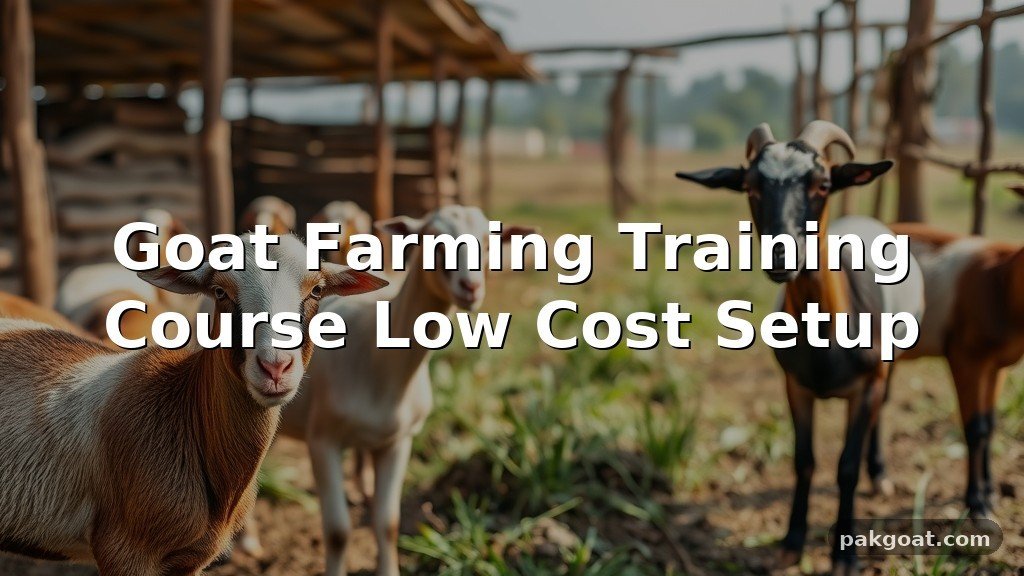
Starting a goat farming training course low cost setup requires a strategic approach that prioritizes essential infrastructure over expensive luxury upgrades. Most beginners can expect to spend between $2,000 and $5,000 to establish a small-scale operation with five to ten goats, excluding land purchase costs.
This investment covers basic fencing, a simple three-sided shelter, initial stock, and a six-month supply of feed and medical basics. By focusing on modular growth, you avoid the common trap of over-capitalizing before you have a proven market for your meat, milk, or fiber products.
Core Infrastructure and Housing Requirements
Building a functional shelter for your herd does not require a massive construction budget. Goats primarily need protection from wind, rain, and extreme heat rather than a climate-controlled barn.
You can repurpose existing structures like old sheds or shipping containers to keep your initial expenses low. Ensure the structure provides at least 12 to 15 square feet per goat to prevent overcrowding and stress.
Proper ventilation is more important than insulation in most climates. Use wire mesh for upper wall sections to allow air circulation, which prevents the buildup of ammonia and respiratory illnesses.
A dirt floor covered with thick, dry bedding like straw or wood shavings is both cost-effective and easy to maintain. Always keep the bedding dry to avoid parasite infestations and hoof rot.
Fencing Strategies for Herd Management
Fencing is often the largest expense in a new farm setup, but it is also your most critical asset. High-tensile woven wire fencing is the gold standard for goats because they are notorious for escaping and testing boundaries. You can reduce costs by using electric fencing as a secondary barrier or by installing permanent woven wire only around high-traffic grazing areas.
For rotational grazing, consider using portable electric netting. This allows you to divide pastures into smaller paddocks, which increases forage efficiency and reduces parasite loads.
A single energizer can power several sections of fencing, making it a modular and scalable solution for beginners. Always check local zoning laws regarding fence heights and setbacks before purchasing your materials.
Selecting Your Initial Breeding Stock
Your choice of breed should depend on your primary goal, whether it is milk, meat, or brush management. Beginners often find success with hardy, dual-purpose breeds that adapt well to local environmental conditions. Purchasing registered stock is expensive, so look for healthy, productive animals from local breeders who can provide a history of health and temperament.
Inspect potential purchases for clear eyes, healthy coats, and good body condition scores. Ask the seller about vaccination records and deworming schedules to ensure you aren’t inheriting someone else’s management problems.
Starting with two or three mature does allows you to learn the basics of animal husbandry without being overwhelmed by a large herd. You can expand your numbers naturally through kidding, which is significantly cheaper than buying adult animals.
Managing Feed and Nutritional Costs
Feed represents the highest recurring cost in any livestock operation, so self-sufficiency is key. Goats are browsers, not grazers, meaning they prefer brush, weeds, and shrubs over lush grass.
You can slash your feed bill by allowing them to clear overgrown fence lines or wooded areas. Supplement their diet with high-quality hay during winter months or periods of drought.
Always provide free-choice minerals specifically formulated for goats. Copper deficiency is a common issue that can lead to poor coat condition and reduced fertility.
Maintain a clean water supply at all times, as goats are notoriously picky drinkers and will refuse water that is slightly dirty or stagnant. Investing in elevated troughs helps keep water free of debris and manure.
Health and Preventative Care Protocols
A proactive health program is far cheaper than paying for emergency veterinary visits. Establish a relationship with a large-animal veterinarian before you even bring your goats home. Keep a basic medical kit on hand that includes a digital thermometer, antiseptic spray, a drenching syringe, and basic wound care supplies.
The USDA Animal and Plant Health Inspection Service provides extensive resources on identifying common livestock diseases and implementing biosecurity measures. Regular hoof trimming is a non-negotiable task that prevents lameness and keeps your herd mobile.
Learn to perform basic procedures like temperature taking and fecal testing to monitor for internal parasites. Being able to identify early signs of illness can save your entire investment from a preventable tragedy.
Data Comparison for Startup Costs
Understanding where your money goes is essential for maintaining a low-cost profile. The following table highlights the estimated breakdown of initial expenses for a small, five-goat starter herd.
| Expense Category | Estimated Cost (USD) |
|---|---|
| Basic Fencing (Perimeter) | $800 – $1,500 |
| Shelter Construction/Retrofit | $500 – $1,200 |
| Five Foundation Does | $750 – $1,500 |
| Feed and Mineral Supplies | $300 – $600 |
| Basic Health/Vet Kit | $150 – $300 |
Marketing Your Goat Products
Once your herd is established, you must identify a clear path to profitability to sustain the operation. Meat goats are often sold at local auctions or directly to ethnic markets where demand is high during specific holidays. Milk production requires a more stringent regulatory environment, so research your local cottage food laws before selling raw milk or cheese.
Consider diversifying your income streams to stabilize your farm’s cash flow. You can offer services like brush clearing for local homeowners, which pays you to feed your goats.
Selling manure as high-quality garden compost is another simple way to turn a waste product into a source of revenue. Networking with other local farmers can help you share equipment or bulk-buy feed to lower costs further.
Common Mistakes to Avoid
Many new farmers fail because they try to scale too quickly. Overstocking your land leads to overgrazing, which depletes the soil and forces you to buy expensive supplemental feed. Start small, master the daily management of a few animals, and then expand once your systems are stable.
Ignoring record-keeping is another common pitfall that hides your true production costs. Track every cent spent on feed, vet bills, and equipment to understand your break-even point.
If you do not know how much it costs to produce a pound of meat or a gallon of milk, you cannot price your products competitively. Focus on efficiency, keep your overhead low, and prioritize the long-term health of your pasture and your herd.
Essential Checklist for New Farmers
To ensure you are prepared for the reality of daily farming, keep this list of priorities in mind as you structure your operation:
- Secure a reliable water source that remains accessible even during freezing temperatures.
- Install a quarantine area to isolate new or sick animals from the rest of the herd.
- Develop a consistent vaccination schedule tailored to the specific disease risks in your region.
- Create a basic business plan that outlines your target market and sales goals.
- Establish a routine for daily chores to identify behavioral changes in your animals early.
- Build a relationship with a local feed supplier for consistent access to quality hay.
- Maintain clear records of breeding dates and medical treatments for every animal.
Strategic Growth and Long-Term Sustainability
Successfully managing a goat farming training course low cost setup requires discipline and a commitment to continuous learning. By focusing on low-overhead infrastructure and preventative health, you position your farm to withstand market fluctuations.
Remember that your primary assets are the health of your soil and the productivity of your animals. As you gain experience, you will naturally discover ways to optimize your labor and reduce your reliance on external inputs.
Start by focusing on the basics of animal welfare and fencing before attempting to scale your herd size. Use the profits from your first successful season to reinvest in better equipment or higher-quality genetics.
If you remain patient and diligent with your management practices, you will build a resilient operation. Feel free to reach out to local agricultural extension offices or experienced farmers in your area to deepen your knowledge of specific regional challenges.
