

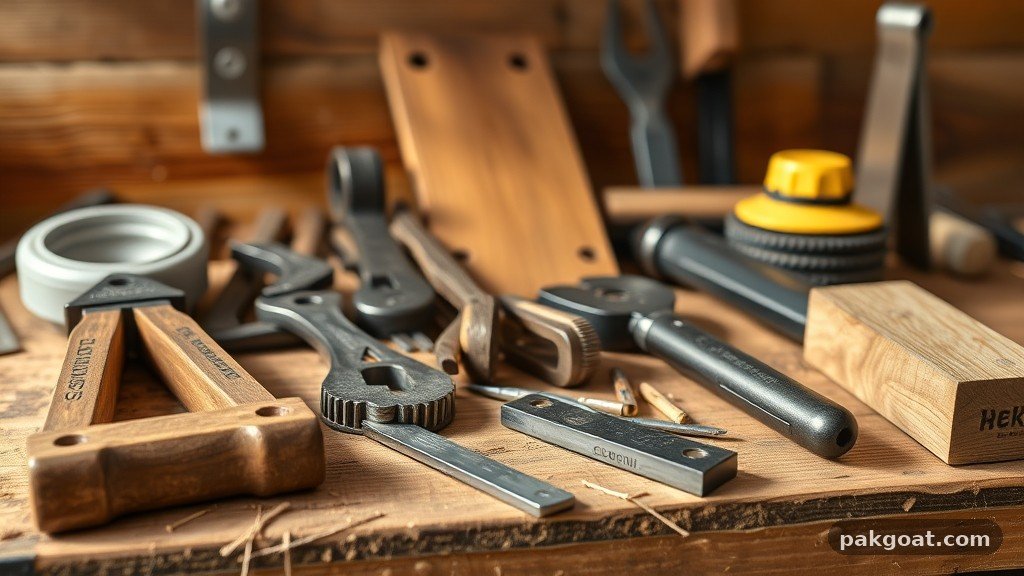
Planning a functional structure for your herd requires careful attention to goat house design equipment and tools needed to ensure long-term animal health. A well-built shelter protects your animals from extreme weather, predators, and damp conditions, which are the primary causes of respiratory illness in goats.
Whether you are repurposing an existing shed or constructing a new facility from the ground up, the right hardware and construction strategy dictate how easily you can maintain the space. By focusing on ventilation, dry bedding areas, and efficient layout, you create a low-stress environment that simplifies your daily chores and keeps your livestock thriving year-round.
Essential Construction Hardware
The foundational phase of building a shelter depends heavily on the specific goat house design equipment and tools needed to secure the structure against wind and animal pressure. You should prioritize heavy-duty fasteners that resist rust, as goat houses are often exposed to high humidity and moisture.
Galvanized screws are superior to nails because they hold tighter in wood grain over time and allow for easier adjustments if you need to modify the structure later. Use 3-inch exterior-grade deck screws for the framing and 1.5-inch screws for attaching siding or metal roofing panels.
Corner braces and mending plates are critical for reinforcing the joints of your shelter. Goats are naturally curious and often rub against walls or climb on structures, which puts significant stress on the frame. Installing heavy-duty steel corner braces prevents the walls from racking or leaning after a few seasons of heavy use.
You should also consider using carriage bolts for major structural connections, especially where support posts meet horizontal beams. These bolts provide a mechanical grip that prevents the structure from pulling apart under the weight of heavy snow loads.
Power and Hand Tools for Assembly
Precision in your building process starts with having the right set of power tools on hand. A high-torque cordless drill is the most important piece of equipment, as it handles everything from driving long structural screws to drilling pilot holes.
You should pair this with an impact driver to ensure that screws are seated flush against the lumber without stripping the heads. A circular saw with a sharp carbide-tipped blade will handle the majority of your cutting needs, allowing you to square up walls and roof rafters with accuracy.
Hand tools remain vital for the final touches and adjustments that power tools cannot handle. A high-quality level is non-negotiable; if your walls are not plumb or your floor is not level, you will struggle to hang doors or install proper drainage. A speed square is essential for marking consistent cut lines on rafters and wall studs.
Keep a sturdy framing hammer in your belt for driving occasional nails or tapping pieces into place. Finally, a set of wood chisels helps you create clean notches for post-and-beam construction, which significantly increases the integrity of your goat house design.
Safety and Site Preparation Equipment
Before you drive the first screw, you must prepare the ground to ensure the house remains dry. A laser level or a simple string line with a line level will help you establish a perfectly flat foundation.
If you are building on a slope, you will need a post-hole digger to set the support posts deep enough to prevent frost heave. A manual clam-shell digger works for small projects, but renting a hydraulic auger is worth the cost if you are building a large structure with many posts.
Safety gear is a core component of the goat house design equipment and tools needed for any serious project. Always keep a pair of impact-resistant safety glasses and heavy-duty work gloves within reach. When working with treated lumber or cutting metal roofing, a dust mask or respirator is essential to keep debris out of your lungs.
If you are working alone, consider using a set of magnetic clamps or temporary bracing boards to hold heavy panels in place while you fasten them. These tools prevent accidents and allow for professional-grade results without needing a second person on the job site.
Ventilation and Environmental Control
Proper airflow is the most overlooked element in shelter planning. You must design your house with high-level ventilation that allows moisture to escape without creating a direct draft on the goats.
Air vents should be positioned near the roofline, opposite the prevailing wind direction, to encourage natural convection. You can use hardware cloth or heavy-duty wire mesh to cover these openings, ensuring predators cannot enter while air flows freely.
You also need specific tools to manage the internal climate. A hygrometer is an inexpensive device that measures humidity levels inside the shelter; if readings consistently stay above 70%, you know your ventilation is insufficient. For winter months, you might consider installing a protected heat lamp or a ceramic heating element, though these must be mounted with extreme caution.
Always use a metal guard and secure the wiring inside conduit to prevent goats from chewing on cords. For detailed guidance on animal welfare standards, consult the USDA Animal and Plant Health Inspection Service to ensure your setup meets regulatory safety expectations.
Internal Layout and Feeding Infrastructure
Efficient management of your herd requires a thoughtful internal layout. You should include a dedicated area for hay feeders and mineral stations that are easy to refill from the outside.
Hay racks should be mounted at a height where goats can reach them comfortably without climbing inside, which prevents them from fouling their feed with waste. Use sturdy U-bolts or lag screws to anchor these feeders directly to the structural studs rather than just the siding.
Consider incorporating a stall divider or a “kidding pen” area for when you have pregnant does. These can be temporary or permanent, but they must be easy to clean. Removable gate panels are ideal because they allow you to reconfigure the interior space based on the size of your herd.
You will need a standard set of metal gate hinges and heavy-duty latches that are goat-proof. Goats are notorious for figuring out how to flip latches, so always use a spring-loaded snap or a secondary locking pin on any gate.
Materials Comparison for Shelter Durability
Choosing the right materials impacts the longevity of your structure significantly. Wood is traditional and offers good insulation, but it requires regular maintenance to prevent rot. Metal siding is easier to clean and highly durable against chewing, though it can be louder during rainstorms.
| Material | Durability | Maintenance Needs | Best Use |
|---|---|---|---|
| Treated Pine | High | Moderate (Sealing) | Structural framing |
| Corrugated Steel | Very High | Low | Roofing and siding |
| Plywood | Low to Moderate | High (Painting) | Interior partitions |
| Composite Boards | Very High | Very Low | Flooring/Stalls |
Cleaning and Sanitation Tools
The daily maintenance of your shelter is where your design choices truly pay off. A concrete or packed-clay floor is much easier to manage than bare dirt, which can turn into a mud pit.
You will need a heavy-duty manure fork with closely spaced tines to sift through bedding effectively. Keep a long-handled shovel for deep cleaning sessions and a stiff-bristled push broom to clear out cobwebs and dust regularly.
Develop a routine for removing soiled bedding to keep ammonia levels low. If you utilize the deep-litter method, you will need a wheelbarrow with a high-capacity tub to move large volumes of compostable material.
Ensure your doorway is wide enough—at least 48 inches—to accommodate your wheelbarrow or small garden tractor. This simple design feature prevents back strain and drastically reduces the time you spend on daily chores.
Essential Maintenance Supplies
* Galvanized deck screws (various lengths)
* Pressure-treated 4×4 posts for foundation
* Heavy-duty hinges and spring-loaded latches
* Hardware cloth (1/2 inch) for predator-proofing
* Exterior-grade wood preservative or paint
* Silicone caulk for sealing roof joints
* Rubber matting for stall floors
* Extra-long drill bits for deep structural bolting
Conclusion
Building a functional space for your herd hinges on selecting the right goat house design equipment and tools needed to create a safe, dry, and efficient environment. By focusing on durable materials like galvanized fasteners and pressure-treated wood, you ensure the structure withstands both the elements and the natural behaviors of your animals. Proper ventilation and a layout that allows for easy cleaning are just as important as the physical construction itself.
Take the time to plan your site carefully, invest in quality hand and power tools, and prioritize safety at every step. A well-designed shelter is an investment in your herd’s health that will serve you for many years to come. Reach out to local agricultural extension offices if you need help with specific climate-based design adjustments.
