

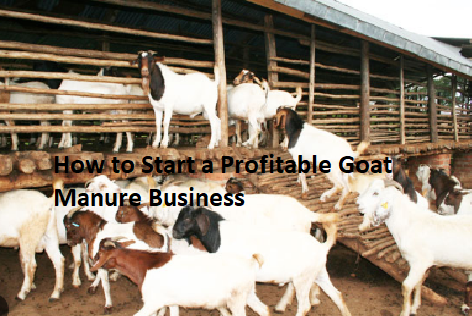
Learning the nuances of a goat manure business how to start effectively requires understanding both organic waste management and agricultural market demands. This venture transforms a common byproduct of goat farming into a high-demand soil amendment for home gardeners and commercial nurseries. Success relies on proper composting techniques, clear branding, and identifying local distribution channels that value sustainable inputs.
By focusing on the nutrient density of goat pellets, you can build a stable revenue stream that supplements traditional livestock production. This article outlines the operational, financial, and marketing steps necessary to launch and scale your operation, ensuring you turn raw waste into a marketable horticultural asset.
Initial Financial and Operational Requirements
To understand the goat manure business how to start process, you must first calculate your baseline investment. You do not need massive capital, but you do need land, a reliable collection system, and adequate space for long-term composting. Most small-scale operations begin with a budget ranging from $500 to $2,000 for basic tools, bags, and signage.
Your primary asset is the goats themselves, as they produce roughly 1.5 to 2 pounds of manure daily per adult animal. If you own 20 goats, you are looking at a potential production of nearly 15,000 pounds of raw manure annually. You must account for the cost of bedding materials like straw or wood shavings, as these are essential for the composting process.
The Science of Composting Goat Pellets
Raw manure should never be sold directly to consumers because it contains high levels of nitrogen that can burn delicate plant roots. Effective composting kills pathogens and weed seeds while stabilizing the nutrient profile of the product. You need a dedicated area, preferably on a concrete pad or well-drained soil, to manage the piles.
The composting process typically takes between three to six months depending on your local climate and turning frequency. You should aim for a carbon-to-nitrogen ratio of roughly 30:1 to ensure efficient decomposition. If your manure is too nitrogen-heavy, add more carbon-rich materials such as dry leaves, cardboard, or wood chips.
Standardizing Your Product Quality
Consistency is the hallmark of a successful business in the organic fertilizer sector. Customers will return only if your product is free of debris, odors, and harmful contaminants. Screen your finished compost through a hardware cloth or a mechanical trommel to ensure a uniform texture.
Quality control also involves moisture management. A finished product should feel like a wrung-out sponge, holding together when squeezed but breaking apart under light pressure. If it is too wet, it will rot; if it is too dry, the microbial activity necessary for nutrient availability will stall.
Market Pricing and Revenue Streams
Pricing your product requires a balance between local demand and the value of competing fertilizers like chicken or cow manure. You can find more information on soil health through the USDA Natural Resources Conservation Service guidelines for organic soil management. Most producers sell by the bag or by the cubic yard.
| Unit of Sale | Estimated Price Range | Common Customer |
|---|---|---|
| 1-Gallon Bag | $3.00 – $5.00 | Home Gardeners |
| 5-Gallon Bucket | $10.00 – $15.00 | Community Gardens |
| Cubic Yard (Bulk) | $40.00 – $80.00 | Landscapers |
Distribution and Sales Channels
Determining how to reach your customers is just as important as the production side of the business. Local farmers’ markets are excellent venues for building a loyal customer base who care about the source of their soil amendments. Word of mouth in gardening clubs often leads to repeat bulk orders that stabilize your cash flow.
Digital platforms also play a significant role in modern agricultural sales. You can list your products on local community boards, social media marketplaces, or dedicated agricultural forums. Always provide clear information about the age of the compost and any additives used during the process.
Essential Tools and Equipment
You do not need heavy machinery to get started, but efficiency increases as you scale. Manual labor is sufficient for small herds, but you will eventually want to invest in tools that reduce physical strain. Consider the following list of essential items:
- Pitchforks and square-point shovels for turning and loading.
- A wheelbarrow or small garden cart for moving material from the barn to the pile.
- Heavy-duty burlap or plastic bags for individual packaging.
- A simple handheld soil moisture meter to monitor the compost pile.
- A screening frame built with 1/2-inch or 1/4-inch hardware cloth.
- Labels or stamps for branding your bags with your farm name and contact info.
Scaling the Business Operations
Once you have established a steady flow of customers, you may find that your current production cannot keep up with demand. You can scale by acquiring more goats or by partnering with other local farmers who have excess manure but no time to process it. This creates a secondary revenue stream as a “compost processor” rather than just a manure producer.
Consider diversifying your product line to increase profit margins. You can create “manure tea” kits, which are essentially small mesh bags of compost intended for soaking in water to create a liquid fertilizer. This requires very little extra material and appeals to urban gardeners who may not have space for large bags of compost.
Legal and Regulatory Considerations
Before you scale into a commercial enterprise, research your local zoning laws regarding agricultural waste. Some jurisdictions require permits for selling soil amendments to the public, especially if you claim specific nutrient percentages. You might need to have your product lab-tested to verify the N-P-K (nitrogen, phosphorus, potassium) values if you plan to sell in retail stores.
Keep accurate records of your production volumes and sales to ensure compliance with tax regulations. Even a small side business should be tracked as a business entity to protect your personal assets. Consult with a local agricultural extension office for advice on state-specific regulations governing the sale of organic fertilizer.
Conclusion
Starting a business based on goat manure is a practical way to turn a farm liability into a consistent income source. By focusing on the quality of your compost, the clarity of your branding, and the reliability of your service, you can carve out a profitable niche in the local gardening market. Remember that your success depends on the patience you show during the composting phase and the relationships you build with your neighbors.
As you refine your process, you will find that this enterprise adds value not just to your wallet, but to the health of the local soil. If you have the space and the livestock, take the first step by organizing your collection area today.
