

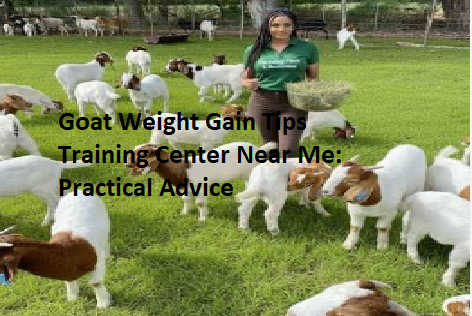
Finding a reliable goat weight gain tips training center near me is often difficult because specialized agricultural coaching facilities are rare. Most owners must look toward local university extension offices or experienced 4-H livestock leaders to find the hands-on mentorship they need. If you are struggling to keep your goats at a healthy weight, the most effective approach involves a combination of high-quality forage, precise parasite management, and targeted supplementation.
You do not need a dedicated training center to succeed, as many professional breeders share their best protocols through local livestock associations. By understanding the metabolic needs of your specific breed, you can achieve consistent weight gain without relying on expensive, unproven commercial gimmicks.
Understanding Nutritional Requirements for Rapid Gain
Goats are ruminants, meaning their entire digestive system is built to process fibrous plant material. When you want to increase a goat’s weight, you must focus on the quality of their rumen fermentation rather than just dumping grain into a trough. Feeding too much grain too quickly can cause acidosis, which actually stunts growth and can lead to fatal health complications.
Start by ensuring your goats have access to high-quality alfalfa hay, which provides a superior protein-to-fiber ratio compared to standard grass hay. Protein is the building block of muscle, and young or underweight goats require a diet consisting of at least 14% to 16% crude protein to see measurable changes. You should also provide free-choice access to loose minerals specifically formulated for goats, as copper deficiency is a common, often overlooked factor that prevents weight gain.
The Role of Energy-Dense Forage
Energy is the second half of the equation, as protein alone cannot add body condition if the animal is burning through its reserves. Adding small amounts of beet pulp or black oil sunflower seeds can provide an energy boost without the digestive risks of heavy corn consumption. These ingredients are palatable and high in fat, making them excellent tools for putting condition on thin animals.
Always introduce new feed sources gradually over a period of two weeks to allow the rumen microbes to adjust. Sudden dietary shifts are the primary cause of scours and off-feed behavior in goats. Monitor the manure consistency daily; if it becomes loose, reduce the energy-dense feed until their digestion stabilizes.
Parasite Management and Health Barriers
Even the best nutritional plan will fail if your goats are carrying a heavy internal parasite load. The Barber Pole worm is the most common culprit in many climates, as it attaches to the abomasum and feeds on the animal’s blood. This leads to anemia, lethargy, and an inability to gain weight regardless of how much high-quality feed you provide.
Conduct regular fecal egg counts to determine exactly which parasites are present before reaching for expensive dewormers. Over-reliance on chemical dewormers has led to widespread resistance, meaning many common products are no longer effective on modern farms. You can learn more about managing these health concerns through the American Consortium for Small Ruminant Parasite Control, which provides science-backed guidance on sustainable deworming strategies.
Implementing the FAMACHA System
The FAMACHA scoring system is a vital tool for any goat owner, as it allows you to assess anemia levels by checking the color of the inner eyelid. A healthy goat will have a deep red or pink color, while a parasite-ridden goat will show pale, white, or yellow membranes. Checking this once every two weeks during the grazing season can save you from losing animals to sudden weight loss.
If you notice a goat losing condition, perform a FAMACHA check immediately to rule out anemia. Do not assume that thinness is purely a dietary issue, as sub-clinical parasitism is often the hidden culprit. If the animal tests positive for heavy parasite load, consult your local veterinarian to establish a targeted treatment plan.
The Importance of Consistent Feeding Schedules
Goats thrive on routine, and their digestive systems work most efficiently when they are fed at the same time every day. Inconsistency leads to stress, and stress causes the release of cortisol, which inhibits weight gain and suppresses the immune system. If you are looking for a goat weight gain tips training center near me to improve your management, you will find that the most successful producers prioritize timing above all else.
Divide the daily ration into two separate feedings if possible. This prevents the goats from bolting their food and ensures that each individual has a fair chance to eat without being bullied by more dominant herd members. Using a head-gate or individual feeding stalls is a great way to ensure that your thinner, lower-ranking goats are actually consuming the extra calories you are providing.
Monitoring Individual Feed Intake
It is easy to assume that everyone is eating their fair share when you watch a herd at the feeder. However, social hierarchies in goat herds are strict, and the “boss” goat often consumes the best parts of the feed while the others get the leftovers. Observe your herd during feeding time to ensure that no single animal is being consistently shoved away from the trough.
If you find that a specific goat is being bullied, you should physically separate it during feeding times. This simple management change often results in significant weight gain within just a few weeks. By removing the stress of competition, the goat can focus its energy on growth rather than defense.
Comparing Weight Gain Supplements and Additives
The market is flooded with commercial supplements that promise rapid weight gain, but many are overpriced and provide little benefit. When evaluating a supplement, look at the guaranteed analysis on the label to see what you are actually paying for. Most of the time, the same nutrients can be found in high-quality alfalfa or a well-balanced mineral mix for a fraction of the cost.
Some producers use probiotics or yeast cultures to help improve rumen function. These can be helpful for goats that have recently been ill or are recovering from a period of poor nutrition. However, they are not a substitute for a base diet of high-quality forage and clean, fresh water.
| Supplement Type | Primary Benefit | Best Used For |
|---|---|---|
| Black Oil Sunflower Seeds | High fat/energy | Conditioning and coat health |
| Beet Pulp | Highly digestible fiber | Weight maintenance and hydration |
| Probiotic Pastes | Gut flora balance | Post-antibiotic recovery |
| High-Protein Pellets | Muscle growth | Young, growing kids |
Water Quality and Its Impact on Growth
Water is the most overlooked nutrient in livestock management, yet it is essential for every metabolic process in the body. If your water source is stagnant, dirty, or unpalatable, your goats will drink less, which directly reduces their feed intake. A goat that is dehydrated will not convert its food into muscle efficiently, regardless of how high the protein content is.
Clean your water troughs at least once a week to prevent the buildup of algae and bacteria. In colder months, using a tank heater is vital because goats often refuse to drink ice-cold water, which slows down their digestion and contributes to weight loss. Ensure that the water is always fresh and easily accessible to every member of the herd.
Checking for Sub-Clinical Dehydration
You can test for dehydration by performing a simple skin tent test. Pull the skin on the goat’s neck or shoulder upward; if it snaps back instantly, the goat is well-hydrated. If it stays tented for more than a second, the animal is likely dehydrated and needs more water access.
This test is particularly useful during hot summer days or when you are transitioning a goat to a new, drier feed. If you find your goats are chronically dehydrated, check your water pressure and ensure that the troughs are placed in a shaded area. Proper hydration is a fundamental step in any weight gain program.
The Role of Exercise and Environment
While you want your goats to gain weight, you do not want them to become sedentary and flabby. Goats need exercise to maintain muscle tone and proper gut motility. A large, well-fenced pasture allows them to browse, which is their natural way of eating and promotes a healthy digestive system.
If your goats are kept in a small, barren dry lot, they are more prone to boredom and stress, which leads to poor weight gain. Incorporate enrichment items like large wooden spools, climbing structures, or stumps into their enclosure. These items keep the goats active and mentally stimulated, which contributes to overall physical health.
Balancing Activity with Caloric Intake
If you are trying to “finish” a goat for show or market, you may need to limit their range to prevent them from burning too many calories. However, do not keep them in a tiny pen for extended periods, as this can lead to behavioral issues. Find a balance that allows for moderate movement while keeping their daily caloric intake high enough to support weight gain.
Observe their behavior during the day to ensure they are getting enough rest. Goats that are constantly pacing or acting agitated are burning energy that should be going toward growth. A quiet, peaceful environment is essential for an animal to pack on healthy, solid weight.
Genetic Factors and Breed Potential
It is important to recognize that some goats are genetically predisposed to be leaner than others. Dairy breeds, for example, are bred to put their energy into milk production rather than muscle mass or fat storage. If you are struggling to keep a dairy goat at a high weight, you may be fighting against their natural biological programming.
Before you invest heavily in supplements and specialty feeds, evaluate the goat’s breed and individual history. A meat-type breed like a Boer or Kiko should naturally carry more condition than a Nubian or Alpine. Adjust your expectations based on the animal you are actually raising, as trying to force a dairy goat into a heavy meat-type frame is rarely successful.
Setting Realistic Growth Milestones
Create a record-keeping system to track the weight of your goats over time. Use a livestock scale or a weight tape to get a baseline measurement, then re-check every two weeks. If the numbers are not moving, you have a clear indicator that you need to change your strategy, whether that means adjusting the feed or re-checking for parasites.
Keep a log of what you fed, how much they ate, and any health interventions you performed. This data will become your most valuable resource, effectively turning your own barn into the best training center you could ask for. You will learn more from your own specific herd data than from any general advice found online.
- Perform monthly weight checks using a livestock scale for precision.
- Rotate pastures every 14 days to minimize parasite exposure.
- Provide free-choice, high-quality minerals to prevent metabolic stalls.
- Ensure water troughs are scrubbed and refilled daily.
- Maintain a consistent feeding schedule to reduce animal stress.
- Use a FAMACHA card to monitor for anemia regularly.
Effective Herd Management Strategies
Managing a herd for weight gain requires a holistic view of every animal’s health. You must be willing to cull animals that are consistently “hard keepers” despite excellent management, as they may have underlying genetic issues. Focus your resources on the animals that respond well to your feeding and care protocols.
Networking with other local breeders can provide you with more practical wisdom than any formal training center. Attend local livestock auctions, fairs, or agricultural extension workshops to meet people who have successfully managed similar breeds in your specific climate. These personal connections are often where the best “goat weight gain tips” are passed down, as they are tailored to your local environment and forage availability.
Long-Term Success in Goat Husbandry
Consistency, observation, and a focus on basic health are the pillars of long-term success. Do not look for a quick fix or a magic injection, as these rarely lead to sustainable weight gain. Instead, build a system that supports the goat’s natural biology, and you will see the results in their growth, coat quality, and overall vitality.
If you are still searching for a goat weight gain tips training center near me, remember that the most valuable training happens in your own barn. By implementing these practices, you are already well on your way to becoming an expert in your own right. Start by taking accurate records, managing your parasite load, and ensuring your herd has access to the best nutrition available.
