

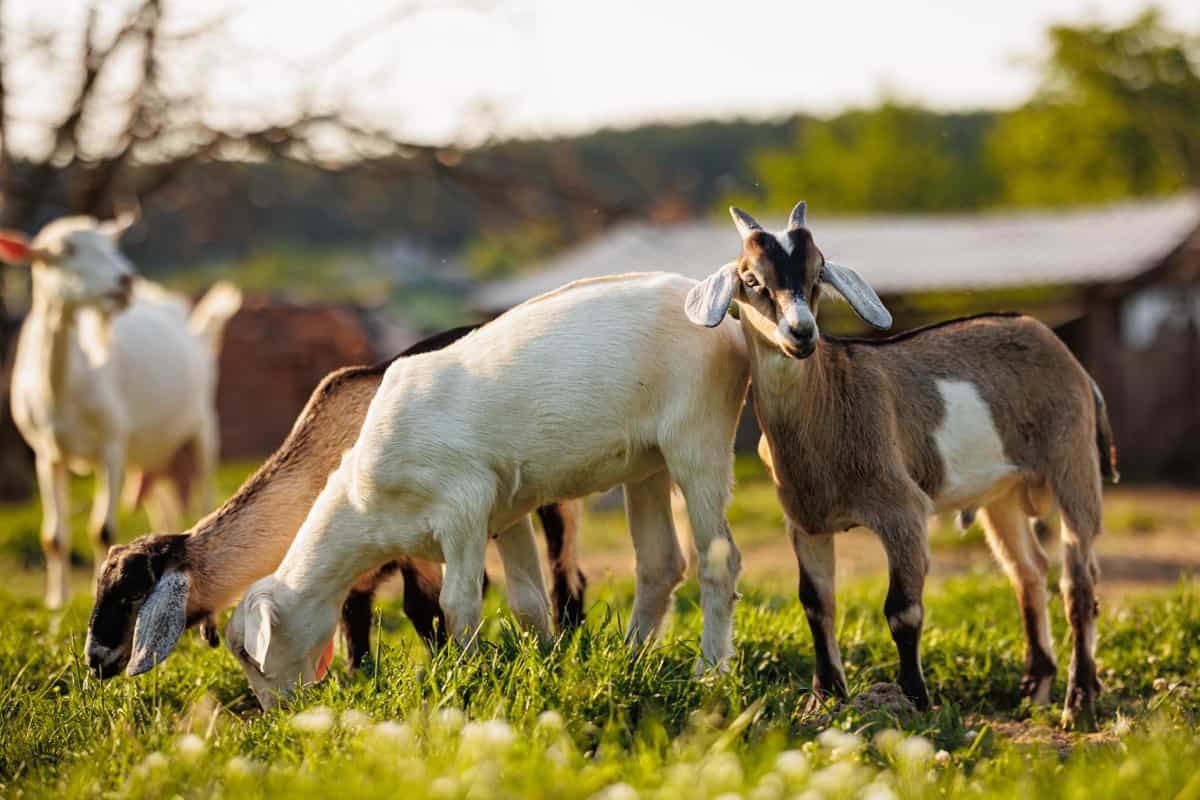
Goat Farming: The Complete Guide to Starting a Profitable Farm
Goats might be the most underrated animal in agriculture. They don’t need acres of pasture. They don’t demand expensive barns. And in many parts of the world, they turn a small plot of land into a steady source of income within the first year.
If you’ve ever thought about raising livestock but felt intimidated by cattle or discouraged by the space horses require, goat farming could be your answer. This guide walks you through everything: choosing the right breed, building shelter, feeding, health care, breeding, and turning your goats into a real business.
Search intent note: This article addresses an informational search intent — people researching how to start, manage, and profit from goat farming — while including practical, commercial-adjacent guidance for those ready to invest.
Key Takeaways
- Goat farming requires less land and startup capital than most livestock ventures.
- Choosing the right breed for your goal (milk, meat, or fiber) determines your long-term success.
- Proper housing, feeding, and vaccination prevent the majority of losses new farmers face.
- A small herd of 10–15 goats can become profitable within 12–18 months with good management.
- Record-keeping and health monitoring separate hobby farmers from profitable operations.
Featured Snippet Answer
What is goat farming? Goat farming is the practice of raising goats for milk, meat, fiber, or breeding purposes. It requires minimal land, low startup costs, and simple housing compared to other livestock. With proper feeding, shelter, and health care, a small herd can generate steady income within one to two years.
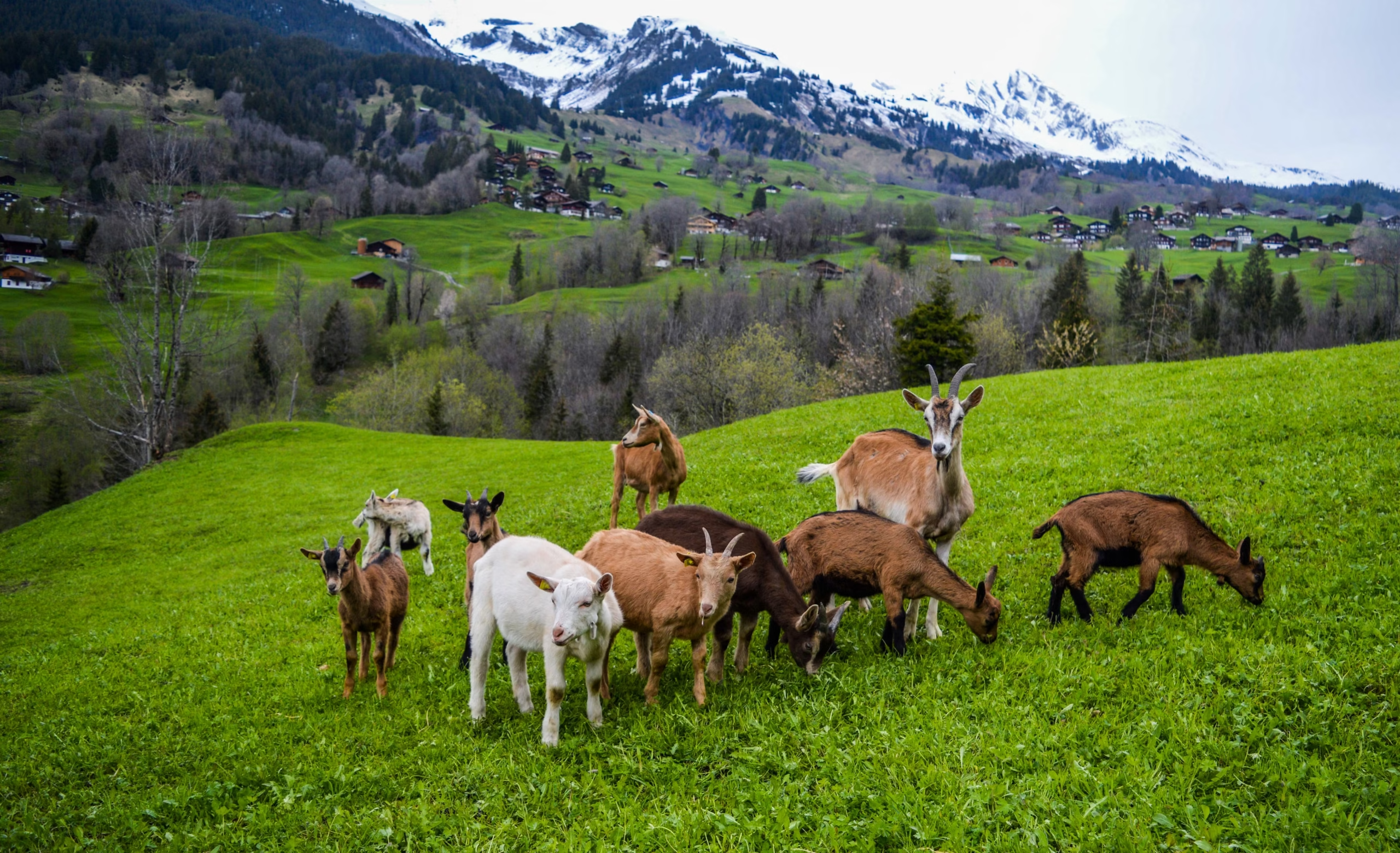
Why Goat Farming Is Worth Considering
Goats are one of the oldest domesticated animals, and they remain one of the smartest livestock investments available today.
Here’s why so many small farmers and homesteaders choose goats over other animals:
- Low land requirement. A few goats can thrive on less than an acre.
- Fast return on investment. Goats reach breeding age faster than cattle.
- Multiple income streams. Milk, meat, fiber, and breeding stock all generate revenue.
- High global demand. Goat meat and milk are staples in many diets worldwide.
- Hardy animals. Goats adapt well to dry climates, hilly terrain, and varied diets.
Goat farming also fits well into diversified farms. Many poultry or crop farmers add a small goat herd to spread risk and use land that would otherwise sit idle.
Types of Goat Farming
Before buying a single goat, decide what you’re farming for. This decision shapes every choice that follows, from breed selection to housing design.
1. Dairy Goat Farming
Focused on milk production. Dairy goat farming supplies fresh milk, cheese, and yogurt to local markets or personal use. Goat milk is naturally homogenized and easier to digest than cow’s milk for many people.
2. Meat Goat Farming
The most common type worldwide. Meat goat farming targets restaurants, ethnic food markets, and local butchers. Demand for goat meat, often called chevon or cabrito, continues to grow steadily.
3. Fiber Goat Farming
Breeds like Angora and Cashmere goats produce mohair and cashmere wool. This niche requires specialized shearing equipment and access to textile buyers.
4. Breeding Stock Farming
Some farmers focus entirely on raising and selling high-quality breeding goats to other farmers. This requires deep knowledge of genetics and record-keeping but can be highly profitable.
5. Dual-Purpose Farming
Many small farms raise goats for both milk and meat, using does for dairy and selling excess kids for meat. This spreads income across the year.
Choosing the Right Goat Breed
Your breed choice should match your climate, goals, and market. Here are the most popular options by category.
Best Dairy Breeds
| Breed | Milk Yield | Notes |
|---|---|---|
| Saanen | High | Calm temperament, thrives in cooler climates |
| Alpine | High | Adaptable to varied climates |
| Nubian | Medium | Rich, high-fat milk, great for cheese |
| Toggenburg | Medium-High | Hardy and consistent producer |
Best Meat Breeds
| Breed | Growth Rate | Notes |
|---|---|---|
| Boer | Fast | Most popular meat breed globally |
| Kiko | Fast | Highly disease-resistant |
| Spanish Goat | Moderate | Excellent for brush clearing and rough terrain |
Best Fiber Breeds
- Angora — produces mohair, shorn twice a year
- Cashmere — produces fine cashmere fiber, combed rather than shorn
Beginner Tip
If you’re new to goat farming, start with a hardy, dual-purpose breed like the Nubian or a Boer-cross. They tolerate mistakes better than highly specialized breeds and give you room to learn.
Creating a Goat Farming Business Plan
Even a small hobby herd benefits from basic planning. A simple business plan keeps costs under control and sets realistic expectations.
Steps to Build Your Plan
- Define your purpose — milk, meat, fiber, or breeding stock.
- Research your local market — who will buy your goats, milk, or meat?
- Estimate startup costs — land, fencing, shelter, and initial herd.
- Calculate ongoing costs — feed, vet care, labor, and utilities.
- Set a herd growth timeline — how many goats in year one, three, and five?
- Check local regulations — zoning laws, health permits, and slaughter regulations vary by region.
Questions to Answer Before You Start
- How much land do I actually have access to?
- Is there local demand for goat milk or meat?
- Can I commit to twice-daily care, especially during kidding season?
- What’s my exit plan if farming doesn’t work out?
Housing and Shelter Requirements
Goats don’t need fancy barns, but they do need dry, draft-free shelter. Wet conditions are the number one cause of illness in goat herds.
Basic Shelter Requirements
- Space: 15–20 square feet per goat inside the shelter
- Roof: Waterproof and well-ventilated
- Flooring: Elevated or well-drained to avoid standing water
- Bedding: Straw or wood shavings, changed regularly
Fencing
Goats are notorious escape artists. Standard fencing recommendations include:
- Woven wire fencing at least 4 feet high
- Electric fencing as a secondary deterrent
- Secure gates with goat-proof latches (goats learn to open simple latches quickly)
Outdoor Space
Goats need room to move, climb, and browse. A dedicated outdoor pen or pasture, even a small one, improves their health and reduces stress-related illness.
Practical example: A farmer in a semi-arid region built a 3-sided shelter using repurposed shipping pallets and a tin roof, housing 12 goats for under $400 in materials. This shows that goat housing doesn’t require a large budget to be effective.
Feeding Your Goats
Nutrition drives everything, milk production, growth rate, and disease resistance. Goats are browsers by nature, meaning they prefer shrubs, leaves, and varied vegetation over simple grass grazing.
Core Diet Components
- Forage — pasture, browse, or quality hay should make up the bulk of the diet.
- Grain supplement — needed for lactating does and growing kids, not usually necessary for mature bucks.
- Minerals — a loose mineral mix formulated for goats (not sheep, which lack the copper goats need) should always be available.
- Clean water — goats drink less when water is dirty, which reduces feed intake too.
Sample Daily Feeding Guide (Adult Dairy Goat)
| Feed Type | Approximate Amount |
|---|---|
| Hay or pasture | Free choice |
| Grain mix | 1–2 lbs (during lactation) |
| Mineral supplement | Free choice, loose form |
| Water | 2–3 gallons |
Feeding Tips
- Introduce new feeds gradually to avoid digestive upset.
- Never feed moldy hay; goats are highly sensitive to mold toxins.
- Avoid overfeeding grain, as it can cause bloat and urinary calculi in bucks.
Health Care and Disease Prevention
Healthy goats are productive goats. A consistent health routine prevents most of the problems that wipe out new farmers’ profits.
Essential Health Practices
- Vaccinations: CDT (Clostridium perfringens types C and D, and Tetanus) is considered standard for most herds.
- Deworming: Follow a rotational deworming schedule based on fecal testing rather than a fixed calendar, to avoid resistance.
- Hoof trimming: Trim every 6–8 weeks to prevent lameness and infection.
- Quarantine new animals: Isolate new goats for at least 2–3 weeks before introducing them to the herd.
Common Goat Health Issues
| Condition | Signs | Prevention |
|---|---|---|
| Bloat | Swollen abdomen, discomfort | Gradual feed changes, avoid excess grain |
| Parasites | Weight loss, pale gums | Regular deworming, clean pasture rotation |
| Foot rot | Limping, swollen hooves | Dry housing, regular hoof trims |
| Pneumonia | Coughing, nasal discharge | Dry, ventilated, draft-free shelter |
When to Call a Veterinarian
Contact a vet immediately if a goat shows sudden loss of appetite, labored breathing, prolonged labor during kidding, or bloody diarrhea. Early intervention often makes the difference between recovery and loss.
Breeding and Kidding
Breeding is where herd growth, and much of your income, actually happens.
Breeding Basics
- Does typically reach breeding maturity at 7–12 months, depending on breed and size.
- Gestation lasts approximately 150 days (about 5 months).
- Most breeds are seasonal breeders, cycling in fall, though some breeds cycle year-round.
Preparing for Kidding
- Set up a clean, draft-free kidding pen a week before the due date.
- Keep towels, iodine for the umbilical cord, and a vet’s number on hand.
- Monitor closely in the final week; most does kid without assistance, but complications can arise quickly.
After Kidding
- Ensure kids nurse colostrum within the first few hours of life.
- Check the doe for retained placenta or signs of infection.
- Begin a feeding and vaccination schedule for kids by 6–8 weeks.
Daily and Seasonal Management
Daily Checklist
- Check water and feed supplies
- Observe each goat briefly for signs of illness or injury
- Milk dairy goats on a consistent schedule (twice daily if lactating)
- Secure the shelter and fencing before nightfall
Seasonal Tasks
Spring: Kidding season for most breeds, pasture rotation begins. Summer: Focus on shade, water access, and parasite control. Fall: Breeding season, hay stockpiling for winter. Winter: Extra feed for energy, draft-free shelter checks, ice-free water access.
Common Mistakes to Avoid
- Overcrowding the herd. Too many goats in too little space spreads disease fast.
- Skipping quarantine for new goats. This is the fastest way to introduce illness to a healthy herd.
- Feeding sheep mineral mix to goats. It lacks the copper goats need and can cause deficiency.
- Underestimating fencing needs. Weak fencing leads to constant escapes and potential losses.
- Ignoring hoof care. Neglected hooves lead to lameness and reduced productivity.
- Starting too big, too fast. New farmers often buy more goats than they can properly manage in year one.
- Not researching local market demand first. A farm without buyers is a hobby, not a business.
Pros and Cons of Goat Farming
Pros
- Low startup cost compared to cattle or horse farming
- Fast breeding cycle and quick return on investment
- Multiple revenue streams (milk, meat, fiber, breeding stock)
- Goats help clear brush and manage overgrown land
- Strong global demand for goat meat and dairy products
Cons
- Goats require secure, well-maintained fencing
- Susceptible to certain parasites and diseases if mismanaged
- Requires daily attention, especially for dairy operations
- Market prices can fluctuate based on region and season
- Initial learning curve for new farmers
Costs and Profit Potential
Startup costs vary widely by region, herd size, and goals, but here’s a general breakdown for a small starter herd.
Typical Startup Costs (Small Herd of 5–10 Goats)
| Item | Estimated Cost Range |
|---|---|
| Goats (breeding stock) | Varies by breed and region |
| Fencing | Moderate, depends on land size |
| Shelter construction | Low to moderate, DIY options available |
| Feed and mineral supplies | Ongoing monthly cost |
| Veterinary and vaccination costs | Low, mostly annual |
Revenue Streams
- Milk sales (raw milk laws vary by region, check local regulations)
- Meat sales, often through local buyers or ethnic markets
- Kid sales, selling offspring to other farmers
- Breeding stock sales for higher-value genetics
- Fiber sales for Angora or Cashmere operations
Expert insight: Profitability in goat farming usually comes from herd growth in the first two years, followed by consistent sales in year three and beyond. Farmers who reinvest early kid sales into better breeding stock tend to see faster long-term returns.
Expert Recommendations
- Start small. A herd of 5–10 goats is manageable for a first-time farmer and allows you to learn without major financial risk.
- Build relationships with a local livestock veterinarian before you need one in an emergency.
- Join local or online goat farming communities. Experienced farmers are often the best source of region-specific advice.
- Keep detailed records of breeding dates, health treatments, and production numbers. Good records make better decisions.
- Visit other goat farms before you buy your first animal. Seeing real operations teaches more than any single article can.
Summary Table
| Aspect | Key Point |
|---|---|
| Best for beginners | Dual-purpose or hardy meat breeds |
| Minimum land needed | Less than 1 acre for a small herd |
| Gestation period | About 150 days |
| Breeding maturity | 7–12 months |
| Core diet | Forage, grain (as needed), minerals, water |
| Key health routine | Vaccination, deworming, hoof trimming |
| Main income sources | Milk, meat, breeding stock, fiber |
| Common risk | Poor fencing and skipped quarantine |
Frequently Asked Questions
1. Is goat farming profitable for beginners? Yes, goat farming can be profitable for beginners because of low startup costs and fast breeding cycles. Profitability depends on local market demand, herd management, and choosing the right breed for your goals.
2. How much land do I need to start goat farming? A small herd of 5–10 goats can be raised on less than one acre, provided you supplement pasture with quality hay and manage rotational grazing carefully.
3. What is the best goat breed for beginners? Hardy, dual-purpose breeds like the Nubian or Boer-cross work well for beginners because they tolerate a range of conditions and forgive early management mistakes.
4. How long does it take for a goat to give birth? Goat gestation lasts approximately 150 days, or about five months, from breeding to kidding.
5. What do goats eat daily? Goats primarily eat forage such as pasture, browse, or hay, supplemented with grain during lactation and free-choice minerals formulated specifically for goats.
6. How often should goats be dewormed? Deworming schedules should be based on fecal testing and pasture conditions rather than a fixed calendar, to reduce the risk of parasite resistance.
7. Can goats be raised with other livestock? Yes, goats often coexist well with chickens, cattle, and sheep, though sheep mineral supplements should never be fed to goats due to copper content differences.
8. What is the biggest challenge in goat farming? Secure fencing is often the biggest early challenge, since goats are skilled at finding and exploiting weak points in enclosures.
9. How many goats should a beginner start with? Most experts recommend starting with 5–10 goats, which is manageable for learning proper care without overwhelming a new farmer.
10. Do goats need vaccinations? Yes, most goat herds benefit from CDT vaccinations (Clostridium perfringens types C and D, and Tetanus), along with region-specific vaccines recommended by a local veterinarian.
Conclusion
Goat farming offers one of the most accessible paths into livestock ownership and agricultural income. With modest land, manageable startup costs, and multiple paths to profit, whether through milk, meat, fiber, or breeding stock, it’s a venture that rewards careful planning and consistent care.
The farmers who succeed at goat farming aren’t the ones with the most land or the biggest budget. They’re the ones who start small, learn their animals, build strong fencing, and keep good records.
Ready to start your goat farming journey? Begin by researching local breeds and market demand in your area, then take the first step: build or secure your shelter and fencing before bringing home your first goats. A well-prepared start is the single biggest factor in long-term success.
