

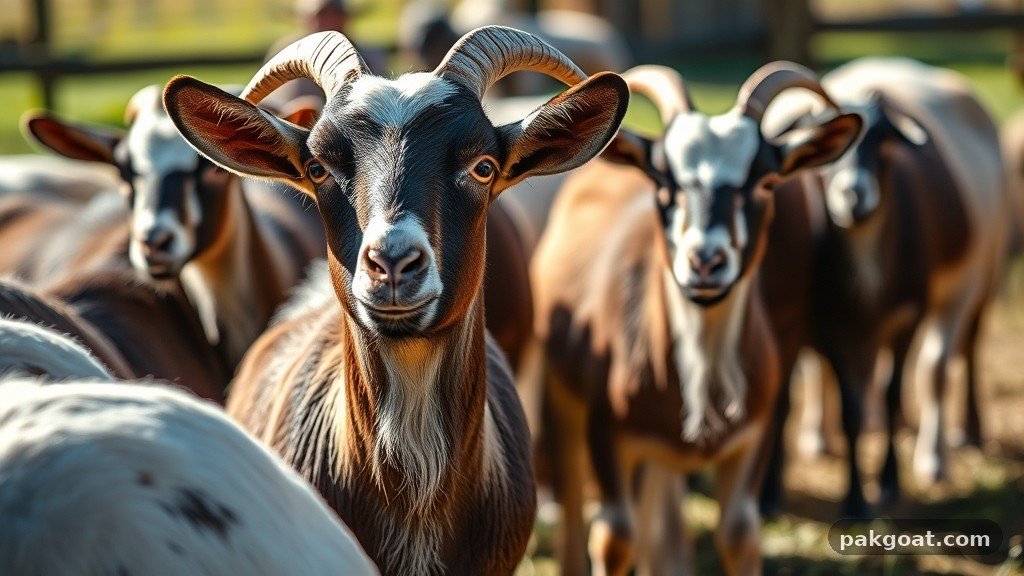
Raising goats offers a unique opportunity for landowners to manage their property while producing valuable resources like milk, meat, and fiber. These animals are hardy, adaptable, and significantly smaller than cattle, making them an excellent choice for small-scale farmers and commercial operations alike. This goat farming guide provides a clear path for establishing a productive herd, focusing on the biological needs and economic realities of the industry.
By understanding the specific requirements of these ruminants, you can avoid common pitfalls and build a resilient agricultural business. Success in this field requires a blend of animal husbandry skills, financial planning, and a deep commitment to daily maintenance.
Starting Your Herd with the Right Scale
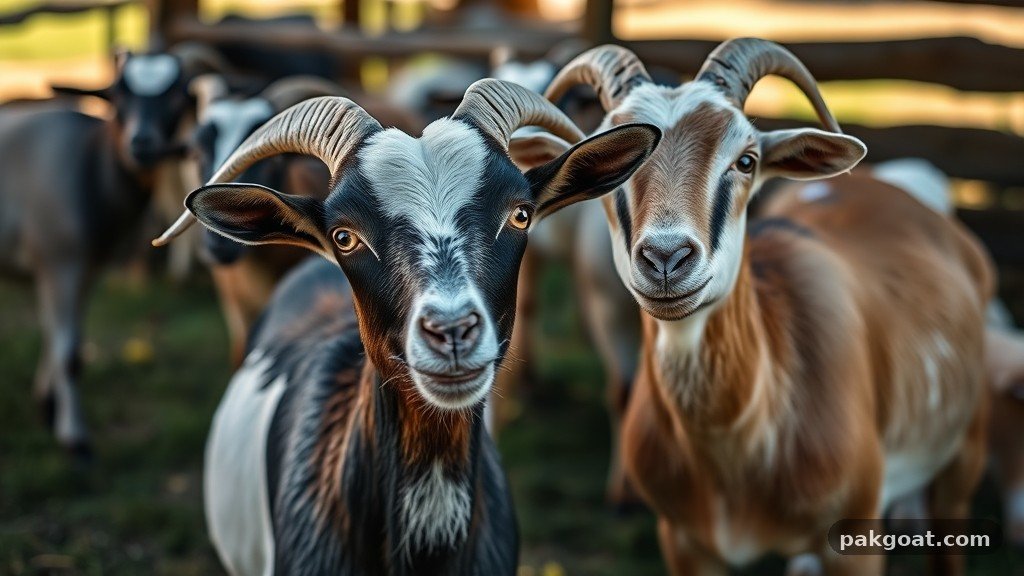
Determining the initial size of your herd is the most critical decision for a beginner. Most experts suggest starting with 2 to 4 goats to learn the basics of their behavior and health needs without becoming overwhelmed.
Goats are highly social creatures and should never be kept alone, as isolation leads to extreme stress and poor health. Starting small allows you to observe their unique social hierarchies and feeding habits before scaling up to a larger commercial operation.
When planning for a larger scale, land capacity becomes the primary constraint. To raise 100 goats, you generally need between 10 and 15 acres of high-quality pasture. This estimate assumes the land provides adequate forage throughout the growing season.
If your land is primarily brush or wooded, goats will thrive, but the stocking density may need to be lower to prevent overgrazing. Overcrowding is a leading cause of soil degradation and increased parasite loads in the herd.
Stocking density is not just about the number of animals; it involves the quality of the vegetation. High-quality alfalfa or clover pastures can support more animals than native scrubland.
You must also account for rotational grazing needs, which require dividing your acreage into smaller paddocks. This system allows one area to recover and regrow while the goats graze elsewhere, breaking the life cycle of common internal parasites.
Selecting Breeds for Specific Production Goals
Choosing the right breed determines your daily workload and your eventual revenue streams. Meat goats, such as the Boer or Kiko, are bred for rapid growth and heavy muscling.
Boer goats are easily recognized by their white bodies and brown heads, and they are the standard for meat production in many regions. Kiko goats are often preferred for their hardiness and ability to thrive on marginal forage with minimal human intervention.
Dairy goats require a much higher level of daily commitment, as they must be milked at least twice a day on a strict schedule. Popular dairy breeds include the Saanen, known for high milk volume, and the Nubian, prized for high butterfat content.
Nubians are easily identified by their long, drooping ears and “Roman” noses. If you are interested in fiber, the Angora goat produces mohair, while various breeds produce cashmere, which is a type of downy undercoat.
Common Goat Breeds and Their Primary Uses
| Breed Name | Primary Purpose | Key Characteristic |
|---|---|---|
| Boer | Meat | High growth rate and meat yield |
| Saanen | Dairy | Highest milk production volume |
| Nubian | Dairy | High butterfat and long ears |
| Angora | Fiber | Produces mohair wool |
| Kiko | Meat | Excellent parasite resistance |
| Nigerian Dwarf | Dairy/Pet | Compact size and rich milk |
Building Secure and Healthy Infrastructure
Goats are notorious for their ability to escape even the most well-intended enclosures. A common saying among farmers is that if a fence cannot hold water, it cannot hold a goat. Woven wire fencing, often called “no-climb” fencing, is the gold standard for goat containment. The openings should be small enough (4×4 inches) to prevent kids from squeezing through or adults from getting their heads stuck.
Electric fencing can be used as an internal divider for rotational grazing, but it rarely suffices as a perimeter fence on its own. Goats are intelligent and will quickly learn to “test” an electric fence to see if it is active.
If the power goes out, they will likely be through the wire within minutes. High-tensile electric wire with at least 4 to 5 strands is necessary to discourage them from jumping over or crawling under.
Housing provides essential protection from predators and extreme weather. A simple three-sided shed is often sufficient in moderate climates, provided it is oriented away from prevailing winds.
The interior must be kept dry and well-ventilated to prevent respiratory issues like pneumonia. Bedding, such as straw or wood shavings, should be cleaned regularly to minimize ammonia buildup and discourage flies.
Nutritional Requirements and Forage Management
Goats are browsers rather than grazers, meaning they prefer to eat leaves, twigs, and weeds at head height rather than grass on the ground. This behavior makes them excellent for clearing brush, but it also means they have specific nutritional needs.
A diet consisting solely of lush grass can lead to digestive upset. They require a significant amount of dry matter and fiber to keep their rumen functioning correctly.
Clean, fresh water must be available at all times, as a goat can drink up to 2 to 3 gallons per day. In the winter, ensure the water does not freeze, as goats will significantly reduce their intake if the water is too cold. This dehydration can lead to urinary calculi in males, which is a life-threatening condition where mineral stones block the urinary tract.
Minerals are a non-negotiable part of any goat farming guide. Goats have a high requirement for copper, which is often toxic to sheep, so you must use a mineral mix specifically formulated for goats.
These minerals are usually provided “free choice” in a loose form or as a hard block. Lack of proper minerals leads to poor coat quality, reproductive failure, and a weakened immune system.
- Hay: High-quality alfalfa or grass hay is essential when pasture is dormant.
- Grain: Used sparingly for pregnant does or growing kids to boost energy.
- Minerals: Must include copper, selenium, and zinc.
- Baking Soda: Often offered free choice to help regulate rumen pH.
Health Maintenance and Disease Prevention
Internal parasites, specifically the Barber’s Pole worm (Haemonchus contortus), are the number one killer of goats worldwide. These parasites thrive in warm, moist environments and can quickly lead to severe anemia and death.
Modern management focuses on the FAMACHA score system, which involves checking the color of the goat’s lower eyelid to assess anemia levels. This allows farmers to treat only the animals that need it, reducing the risk of dewormer resistance.
Vaccinations are a core part of preventative care. The CD&T vaccine is essential for all goats, protecting them against overeating disease (Enterotoxemia) and tetanus.
Kids should receive their first dose at 6 to 8 weeks of age, followed by a booster. Annual boosters for the entire herd are necessary to maintain immunity levels throughout the year.
Hoof trimming is another routine task that cannot be ignored. Depending on the terrain, goats usually need their hooves trimmed every 6 to 10 weeks.
Overgrown hooves cause pain, lameness, and can lead to infections like foot rot. For more detailed clinical information on managing common ailments, the Merck Veterinary Manual offers extensive resources on goat pathology and treatment protocols.
Managing the Breeding and Kidding Cycle
The gestation period for a goat is approximately 150 days. Most breeds are seasonally polyestrous, meaning they only go into heat during the shorter days of the fall.
However, some breeds like the Boer and Nigerian Dwarf can breed year-round. Managing the breeding cycle allows you to time the arrival of kids for when the weather is mild and forage is abundant.
Kidding season is the most labor-intensive time on a goat farm. You should provide a clean, private “kidding pen” for each doe as her due date approaches.
Signs of labor include “nesting” behavior, a visible drop in the abdomen, and the softening of the ligaments around the tail head. Most goats give birth without assistance, but you should be prepared to intervene if a kid is malpresented.
Once the kids are born, the most important step is ensuring they receive colostrum within the first two hours. Colostrum is the mother’s first milk and is packed with essential antibodies that the kids need to build an immune system.
If a kid is too weak to nurse, you may need to administer colostrum via a stomach tube. Monitoring the kids for the first 48 hours is vital to ensure they are gaining weight and staying warm.
Analyzing Costs and Market Profitability
A successful goat farming guide must address the financial reality of the enterprise. Initial startup costs include fencing, housing, and the purchase of the foundation herd.
High-quality breeding stock can cost anywhere from $200 to $800 per head, depending on the breed and pedigree. You must also budget for ongoing expenses like feed, veterinary care, and routine supplies.
Revenue streams in goat farming are diverse. Meat goats are typically sold by the pound at livestock auctions or directly to consumers.
Dairy farms generate income through the sale of fluid milk, cheese, or soap. Additionally, selling registered breeding stock can be a lucrative side business if you maintain high standards and keep meticulous records.
Labor is the most overlooked cost in many agricultural business plans. Even a small herd requires at least one hour of daily care, with significantly more time needed during kidding season or for milking.
If you are hiring help, these costs can quickly erase your profit margins. It is essential to conduct a market analysis in your local area to ensure there is sufficient demand for your products before making a large investment.
Implementing Daily Management Routines
Consistency is the backbone of animal husbandry. Goats thrive on a routine and will become stressed if feeding times or milking schedules fluctuate wildly.
A daily walk-through of the herd is the best way to catch health issues early. Look for goats that are standing apart from the group, have “droopy” ears, or are not interested in food, as these are often the first signs of illness.
Record-keeping is a vital daily task that separates hobbyists from professional farmers. You should track every animal’s birth date, weight gain, vaccination history, and any medical treatments they receive.
This data is invaluable when deciding which animals to keep for breeding and which to cull from the herd. Modern farm management software can help, but a simple notebook kept in the barn is often just as effective.
Biosecurity is the final pillar of daily management. When bringing new goats onto the farm, they should be quarantined for at least 30 days to ensure they are not carrying diseases like Caseous Lymphadenitis (CL) or Caprine Arthritis Encephalitis (CAE).
These diseases can be devastating and are often difficult to eradicate once they enter a herd. Limit the movement of people and equipment between different farms to further reduce the risk of cross-contamination.
Frequently Asked Questions
How many goats should a beginner start with?
A beginner should start with 2 to 4 goats. This number is small enough to manage easily while satisfying the goats’ need for social interaction. Never keep a single goat, as they are herd animals and will become depressed or destructive when alone.
What is the number one killer of goats?
The number one killer of goats is internal parasites, specifically the Barber’s Pole worm. These parasites cause severe anemia and can kill a goat very quickly if not managed through proper pasture rotation and strategic deworming.
How many acres do you need for 100 goats?
You generally need 10 to 15 acres of good quality pasture to support 100 goats. This varies based on the climate, the type of forage available, and whether you are providing supplemental hay.
Do goats really eat everything?
No, goats are actually quite picky eaters. While they will “sample” many things with their mouths to investigate them, they primarily focus on high-quality brush, weeds, and leaves. They will often refuse to eat hay that has been stepped on or contaminated.
How long do goats live?
Most domestic goats live between 12 and 15 years. Their productive life in a dairy or meat operation is usually shorter, typically ranging from 6 to 10 years depending on their health and reproductive history.
The Future of Your Goat Farm
Starting a livestock venture requires patience and a willingness to learn from the animals themselves. Following a structured goat farming guide helps ensure that you meet the basic biological needs of your herd while maintaining a focus on long-term sustainability. Whether your goal is to provide milk for your family or to build a large-scale meat production business, the fundamentals remain the same: good fencing, proper nutrition, and vigilant health management.
As you gain experience, you will develop a “stockman’s eye,” allowing you to spot problems before they become crises. The goat industry continues to grow as more people look for sustainable, local sources of protein and dairy.
By committing to high standards of animal welfare and financial discipline, you can create a rewarding and profitable farm. Stay curious, keep detailed records, and enjoy the unique personality that each goat brings to your land.
