

Goat farming offers a unique path to agricultural sustainability, whether you are looking for dairy, meat, or fiber production. Successfully managing a herd requires more than just a patch of grass; it demands a strategic approach to health, housing, and nutrition. By mastering a few specific goat farming tips, you can transform a small hobby into a profitable enterprise.
This article provides actionable insights into the most challenging aspects of caprine management, from securing your perimeter to optimizing feed ratios. You will gain the knowledge needed to maintain a healthy herd and build a resilient farm business that thrives year-round.
Profitability and the Realities of Caprine Care
The most difficult thing about raising goats is often their innate ability to find weaknesses in your infrastructure. They are escape artists by nature, which makes high-quality fencing the primary investment for any new farmer.
Beyond physical containment, managing internal parasites remains the biggest biological hurdle. These pests can decimate a herd if not monitored through regular fecal testing and strategic deworming.
To make money on a goat farm, you must identify a specific niche rather than trying to compete with industrial-scale operations. Selling registered breeding stock often yields higher margins than selling meat animals at auction. You can also generate revenue through value-added products like goat milk soap, artisanal cheeses, or even rental services for brush clearing. 10 goats can clear an acre of dense brush in approximately 30 days, providing a natural alternative to chemical herbicides.
Success in this field requires a deep understanding of market cycles and animal health. Meat prices often peak during specific cultural or religious holidays, so timing your kidding season is essential.
If you focus on dairy, your profit will depend on high-quality forage and consistent milking schedules. Every dollar spent on preventative care, such as vaccinations and quality minerals, saves three dollars in emergency veterinary costs later.
Designing Infrastructure for Security and Comfort
Goats require dry, draft-free housing to remain healthy, especially during kidding season or extreme winter weather. A common mistake is over-insulating a barn, which traps moisture and leads to respiratory issues like pneumonia.
Instead, focus on providing a three-sided shelter that blocks the prevailing wind while allowing for plenty of ventilation. Bedding should be kept dry with regular additions of straw or wood shavings to prevent hoof rot.
Fencing is where most new farmers struggle, as goats will climb, crawl, or jump through inadequate barriers. Woven wire fencing, often called “no-climb” horse fencing, is the gold standard for most breeds.
You should also consider adding a single strand of electric wire at the top and bottom of the fence. This prevents goats from leaning on the wire or trying to squeeze underneath it to reach greener grass.
When planning your layout, consider the space requirements for your specific herd size. Generally, you need about 20 to 30 square feet of indoor space per goat if they have outdoor access.
For pasture, a good rule of thumb is 2 to 10 goats per acre, depending on the quality of the forage. If you plan to raise 100 goats, you will likely need at least 20 to 30 acres of high-quality, managed pasture to avoid overgrazing.
Selecting the Right Breed for Your Goals
Your choice of breed dictates almost every other aspect of your farming operation, from the type of fencing you need to your daily labor requirements. Meat breeds like the Boer or Kiko are popular for their rapid growth and hardy constitutions.
Boers are known for their heavy muscling, while Kikos are often preferred for their superior parasite resistance and mothering abilities. Mixing these two breeds can often produce a commercial kid that grows quickly and stays healthy with minimal intervention.
Dairy goats require significantly more daily labor because they must be milked once or twice a day at the same time. Breeds like the Nubian are famous for their high butterfat content, which makes their milk excellent for cheese and soap.
Saanens are the heavy hitters of the dairy world, often producing the highest volume of milk per lactation. If you are interested in fiber, Angora goats produce mohair, but they require specialized shearing and protection from cold rain.
Comparison of Popular Goat Breeds
| Breed Name | Primary Purpose | Key Characteristic | Market Value |
|---|---|---|---|
| Boer | Meat | Rapid weight gain | High |
| Nubian | Dairy | High butterfat milk | Moderate |
| Kiko | Meat | Extreme hardiness | High |
| Saanen | Dairy | High milk volume | Moderate |
| Alpine | Dairy | Long lactation periods | Moderate |
Advanced Nutritional Strategies for Herd Vitality
Goats are ruminants, meaning they have a complex four-compartment stomach designed to ferment fibrous plant material. While people often joke that goats eat anything, they are actually very selective browsers.
They prefer eating at eye level, targeting brush, weeds, and tree leaves rather than grazing close to the ground like sheep. This browsing habit helps them avoid many ground-based parasites, provided the pasture is not overgrazed.
A balanced diet must include high-quality hay, especially during the winter months when fresh forage is unavailable. Alfalfa hay is excellent for milking does and growing kids because of its high protein and calcium content.
However, too much alfalfa can cause urinary calculi in bucks and wethers, which is a life-threatening blockage. For males, a high-quality grass hay is a much safer and more appropriate choice.
Minerals are the most overlooked part of goat nutrition, yet they are vital for immune function and reproduction. You should provide a loose mineral mix specifically formulated for goats, as blocks do not allow them to consume enough.
Goats have a high requirement for copper, which is often toxic to sheep, so never use a “multi-species” mineral. Detailed goat nutrition resources from university extensions can help you calculate specific needs for your climate.
Proactive Health Management and Disease Prevention
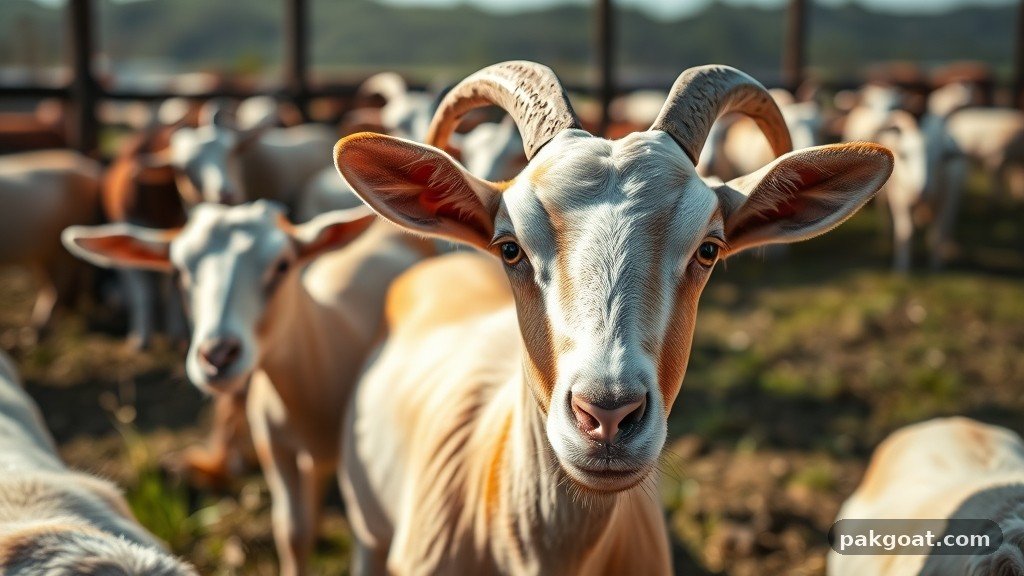
A healthy goat has bright eyes, a shiny coat, and an alert demeanor. One of the best ways to monitor health is through the FAMACHA scoring system, which checks the color of the lower eyelid.
A pale eyelid indicates anemia, which is a primary symptom of the Barber Pole worm, a deadly internal parasite. By only treating the goats that show high scores, you prevent the parasites from developing resistance to dewormers.
Vaccinations are a non-negotiable part of goat farming tips for any serious producer. The CD&T vaccine protects against overeating disease (Enterotoxemia) and Tetanus, both of which are common and often fatal.
Kids should receive their first dose at six to eight weeks of age, followed by a booster three to four weeks later. Does should be vaccinated about a month before kidding so they can pass immunity to their kids through the colostrum.
Hoof care is another essential task that must be performed every six to eight weeks. Overgrown hooves can lead to lameness, which prevents goats from walking to find food or water.
You will need a sharp pair of hoof shears and a rasp to keep the hoof wall level with the sole. If you notice a foul smell or discharge during trimming, you may be dealing with hoof rot, which requires antiseptic treatment and dry ground.
Managing the Breeding Cycle and Kidding Season
Goats are generally seasonal breeders, meaning they go into heat as the days get shorter in the fall. A doe’s estrus cycle lasts about 21 days, and she will remain in heat for 12 to 36 hours.
During this time, she will be vocal, wag her tail frequently, and show interest in the buck. Gestation lasts approximately 150 days, which allows you to plan your kidding season for a time when you can be present.
Kidding season is the most demanding time of year for a goat farmer. You should have a kidding kit ready with towels, iodine for umbilical cords, and a bulb syringe to clear airways.
Most does give birth without assistance, but you must be prepared to intervene if a kid is malpositioned. Ensuring the kid drinks colostrum within the first two hours of life is the single most important factor for survival.
After kidding, the doe needs extra nutritional support to maintain milk production and recover her body condition. This is a high-stress period where she is most susceptible to metabolic issues like milk fever or ketosis.
Watch for signs of lethargy or a lack of appetite, which indicate she needs immediate glucose or calcium supplementation. Monitoring the kids’ weight gain daily for the first week helps you catch nursing problems before they become fatal.
Economic Viability and Market Positioning
To ensure your farm remains financially sustainable, you must treat it like a business from day one. This means keeping meticulous records of every expense, from feed bags to veterinary visits.
Many farmers fail because they do not account for the “hidden” costs like fuel, electricity for water heaters, and their own labor. Use a simple spreadsheet to track your inputs and outputs so you can see which animals are truly profitable.
Marketing is what separates successful farms from those that merely break even. Building a brand around your farm’s practices, such as “pasture-raised” or “hormone-free,” can allow you to charge a premium.
Local farmers’ markets, social media, and a dedicated website are powerful tools for reaching customers who value quality. You might also consider selling “starter herds” to new hobbyists, which can be a lucrative side of the business.
- Direct meat sales to local consumers who prefer farm-fresh options.
- Selling registered breeding stock with documented pedigrees and health records.
- Producing value-added dairy products like chèvre, yogurt, or goat milk soaps.
- Offering vegetation management services for municipalities or private landowners.
- Selling high-quality composted goat manure to local gardeners and nurseries.
Daily Operations and Long-Term Maintenance
Consistency is the secret to a thriving goat farm. Goats are creatures of habit and become stressed when their routine is disrupted.
Feeding, milking, and pasture rotations should happen at the same time every day to keep the herd calm. This regularity also makes it easier for you to spot subtle changes in behavior that might indicate an emerging health problem.
Pasture management is a long-term commitment that involves more than just letting goats eat. You should implement a rotational grazing system where the pasture is divided into smaller paddocks.
Moving the goats to a fresh paddock every few days allows the grass to regrow and breaks the parasite life cycle. If the forage is eaten down to less than four inches, the risk of parasite ingestion increases dramatically.
Record keeping is the backbone of long-term success. You should track birth dates, weaning weights, vaccination dates, and any illnesses for every animal in your herd. This data allows you to make informed culling decisions.
If a doe consistently produces weak kids or has chronic hoof issues, she should be removed from the breeding program. Over time, this selective pressure creates a hardier, more productive herd that requires less work and fewer resources.
Frequently Asked Questions
What is the most difficult thing about raising goats?
The most difficult aspect is usually a combination of containment and parasite management. Goats are notorious for finding gaps in fences and are highly susceptible to internal worms that can quickly become fatal. Constant vigilance and high-quality infrastructure are required to mitigate these two primary challenges.
How many acres do you need to raise 100 goats?
For a herd of 100 goats, you generally need between 20 and 50 acres depending on the quality of your land. In areas with lush, managed forage, you can stock more densely, but in arid regions, you may need even more space. Overcrowding leads to rapid parasite spread and land degradation.
How do you make money on a goat farm?
Profitability comes from diversifying your income streams through meat sales, dairy products, and breeding stock. Many successful farmers also offer land-clearing services or sell value-added goods like soaps and lotions. Focusing on a specific niche and marketing directly to consumers usually yields the best financial results.
How fast can 10 goats clear an acre?
A group of 10 goats can typically clear an acre of moderately dense brush in about 30 days. This timeline varies based on the type of vegetation and the goats’ appetite for the specific plants present. They are particularly effective at removing invasive species like blackberry briars and English ivy.
Do goats need a companion?
Yes, goats are highly social herd animals and should never be kept alone. A solitary goat will experience significant stress, which can lead to illness or destructive behavior as they try to find company. At a minimum, you should always have two goats together.
Conclusion
Mastering these goat farming tips requires a blend of practical skills, biological knowledge, and business acumen. From selecting the right breed to implementing a rigorous health protocol, every decision you make impacts the long-term viability of your herd. Focus on building secure fences and maintaining a clean environment to prevent the most common pitfalls of caprine care. As you gain experience, you will learn to read your animals’ needs and adjust your management style accordingly. By staying committed to continuous learning and proactive maintenance, you can build a rewarding and profitable goat farming operation. To get started, evaluate your available land and choose a breed that aligns with your specific goals for the future.
