

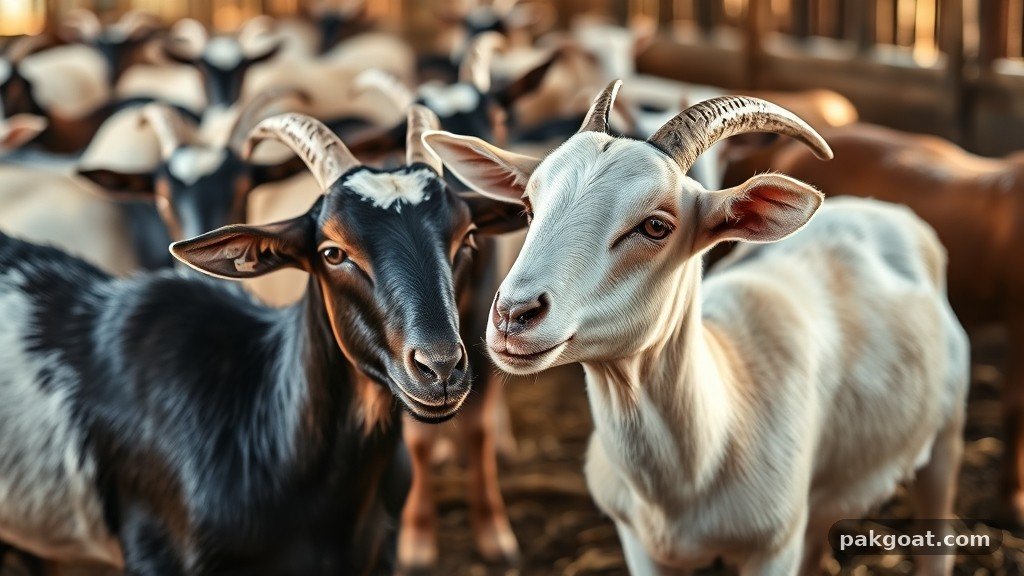
Starting a livestock venture requires more than just a passion for animals; it demands a strategic approach to land use and market demand. Exploring various goat farming ideas allows you to tailor your land use to specific regional needs, whether you are interested in dairy production, meat sales, or niche services like brush clearing. Goats are remarkably versatile animals that can thrive on marginal land where cattle or sheep might struggle.
This flexibility makes them an ideal choice for small-scale farmers and commercial operations alike. By diversifying your revenue streams, you can build a resilient agricultural business that withstands market fluctuations.
You will learn about specific breeds, infrastructure requirements, and innovative ways to monetize your herd beyond traditional methods. This guide focuses on actionable data and proven methods to help you maximize the productivity of your acreage. Whether your goal is self-sufficiency or a high-turnover commercial enterprise, understanding the nuances of caprine management is the first step toward success.
Determining the Profitability of Goat Enterprises
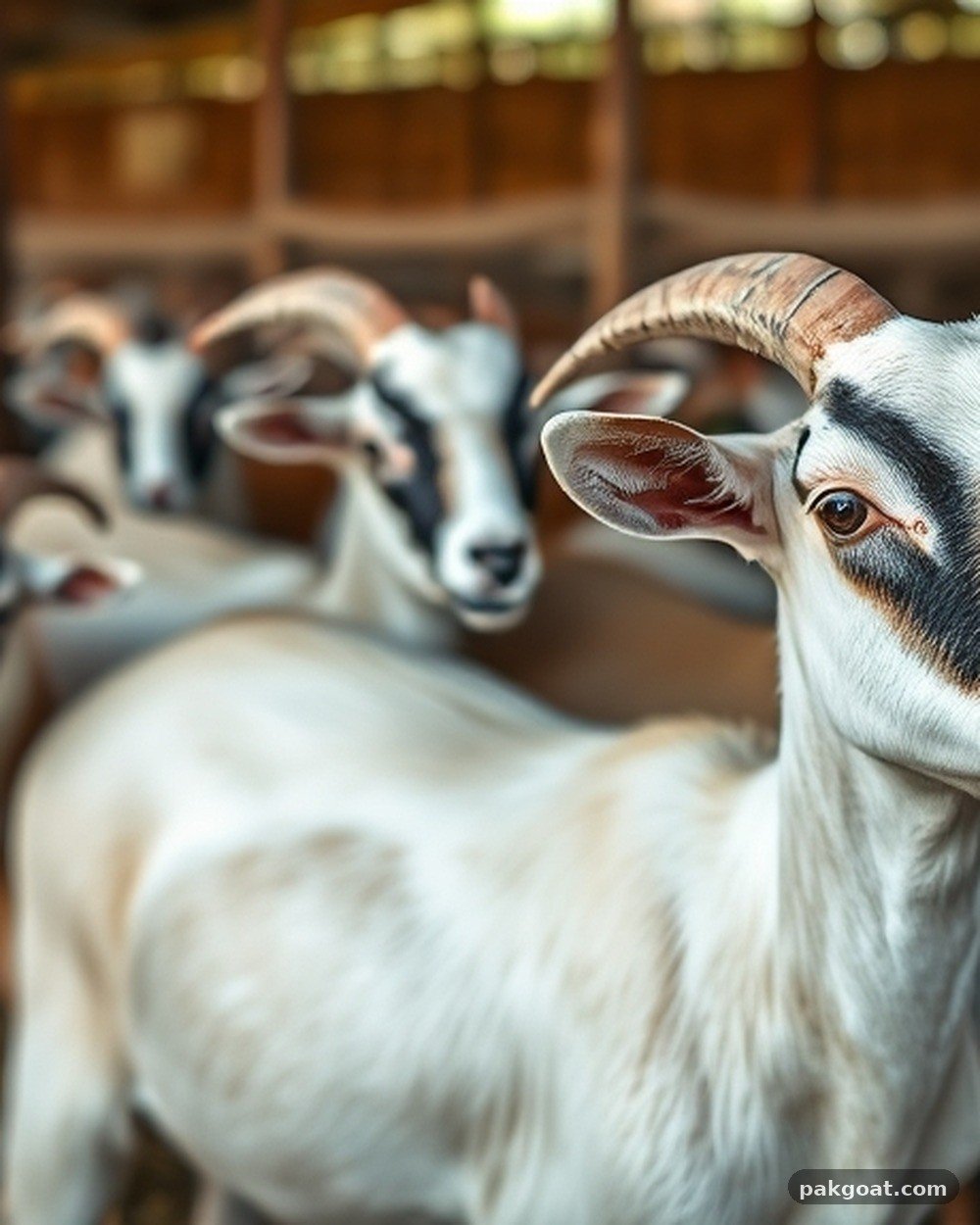
The profitability of a goat farm depends heavily on the chosen niche and the efficiency of the operation. Meat goats, particularly the Boer breed, currently offer the most straightforward path to profit due to high demand in ethnic markets and lower daily labor requirements. A single meat goat can often be sold for $150 to $350 depending on the weight and time of year. Prices often peak during specific holidays like Easter, Eid al-Adha, and Christmas, making timing a critical factor for your sales strategy.
Dairy operations can be more lucrative per animal but require a significantly higher investment in infrastructure and daily labor. A high-quality dairy goat, such as a Saanen or Alpine, can produce 1.5 to 3 gallons of milk per day during peak lactation.
While raw milk sales are restricted in many regions, value-added products like artisan cheese or goat milk soap can significantly increase your margins. Selling a gallon of raw milk might net a few dollars, but converting that same milk into $80 worth of handcrafted soap changes the financial equation entirely.
Fiber production is another viable avenue, though it is more specialized. Angora goats produce mohair, while breeds like the Spanish or Cashmere goat provide soft undercoats used in high-end textiles.
Fiber prices fluctuate based on global demand, but high-quality raw mohair can fetch $5 to $15 per pound. Combining fiber production with breeding stock sales often creates a more stable income than relying on fiber alone.
Land Requirements and Herd Management
One of the most common questions for beginners is how much land is required to sustain a healthy herd. Generally, you can raise 6 to 8 goats per acre on improved pasture, though this number varies based on the quality of the forage.
If your land is heavily wooded or contains dense brush, goats will thrive, as they are natural browsers rather than grazers. They prefer eating leaves, twigs, and weeds over standard grass, which helps in managing overgrown properties.
Rotational grazing is a key strategy for maintaining soil health and preventing parasite outbreaks. By dividing your pasture into smaller paddocks and moving the goats every 3 to 5 days, you allow the vegetation to recover and break the life cycle of internal parasites.
This method can increase your carrying capacity by up to 25% compared to continuous grazing. Proper fencing is the most significant upfront cost, as goats are notorious for finding weaknesses in enclosures. Woven wire fencing with 4×4 inch openings is usually the most effective at keeping goats in and predators out.
Shelter does not need to be elaborate, but it must be dry and draft-free. Goats dislike rain and can quickly develop respiratory issues if left in damp conditions.
A simple three-sided shed facing away from the prevailing wind is often sufficient for meat breeds. Dairy goats, however, require a more sterile environment for milking to meet health regulations and ensure product quality.
Dairy Production and Value-Added Products
Dairy goat farming is a demanding but rewarding venture that focuses on high-quality milk production. Breeds like the Nubian are favored for their high butterfat content, which makes their milk ideal for cheese making.
If you are looking for volume, the Saanen is often referred to as the “Holstein of the goat world” due to its massive milk output. Managing a dairy herd requires a strict milking schedule, usually twice a day, exactly 12 hours apart.
To maximize your goat farming ideas in the dairy sector, look beyond fluid milk. Hard cheeses like feta and chèvre have a dedicated market among health-conscious consumers and gourmet chefs.
These products have a longer shelf life than fresh milk and can be sold at premium prices at local farmers’ markets. You can also explore the cosmetic industry by using excess milk for lotions and soaps, which are popular for their moisturizing properties and suitability for sensitive skin.
The table below compares the average milk production and butterfat content of popular dairy breeds to help you choose the right animal for your specific goals.
| Goat Breed | Average Daily Yield (Gallons) | Butterfat Percentage | Best Use Case |
|---|---|---|---|
| Saanen | 1.5 – 3.0 | 2.5% – 3.0% | High-volume fluid milk |
| Nubian | 0.5 – 1.5 | 4.5% – 5.0% | Cheese and soap making |
| Alpine | 1.0 – 2.5 | 3.0% – 3.5% | General dairy production |
| Nigerian Dwarf | 0.2 – 0.5 | 6.0% – 10.0% | Small homesteads / High fat |
Meat Goat Production Strategies
Meat production is often the most accessible entry point for those new to livestock. The Boer goat, originally from South Africa, is the gold standard for meat due to its fast growth rate and excellent carcass quality.
Kiko goats are another excellent choice, known for their extreme hardiness and resistance to parasites, which can reduce your veterinary costs. Many producers crossbreed Boers with Kikos to get a “commercial” goat that grows quickly while remaining resilient in harsh climates.
Success in the meat market requires understanding the “kid crop” cycle. Most meat goats are sold as “kids” when they reach 60 to 80 pounds, which usually takes 6 to 9 months. Selling at this weight maximizes your return on feed costs, as growth rates slow down as the animal matures.
You should also monitor local auction prices to identify seasonal trends. For instance, selling goats in the weeks leading up to Easter can result in prices 20% to 30% higher than the annual average.
Marketing directly to consumers can bypass auction fees and provide a more stable income. Many farmers sell “halves” or “wholes” directly to families who want locally raised meat.
This requires a relationship with a USDA-inspected processor if you intend to sell the meat by the cut. Providing a high-quality, grass-fed product can allow you to charge a premium over commodity prices found at traditional stockyards.
Vegetation Management and Rental Services
An innovative way to generate income is through targeted grazing services, often called “rent-a-goat.” Many municipalities, solar farms, and private landowners are turning to goats to manage invasive species without using herbicides.
Goats are particularly effective at clearing English ivy, kudzu, and multiflora rose. They can reach steep hillsides and rocky terrain where machinery cannot operate safely.
For this business model, you need a portable setup, including electric netting and a mobile water source. You can charge per acre or per day, with typical rates ranging from $200 to $500 per day for a small herd of 20 to 30 goats.
This service not only provides income but also reduces your own feed costs, as the clients are essentially paying you to feed your animals. It is a win-win scenario that benefits the environment and your bottom line.
Insurance is a vital component of a grazing service. You must ensure you are covered for potential escapes or injuries that could occur while the goats are on a client’s property.
Additionally, you need a trailer capable of transporting the herd efficiently between jobs. This niche is growing rapidly as more organizations seek sustainable land management solutions that reduce their carbon footprint.
Agritourism and Educational Opportunities
If your farm is located near a populated area, agritourism can be a major revenue driver. Goat yoga has become a cultural phenomenon, where participants practice yoga while small goats roam among them. You can charge $25 to $45 per person for a one-hour session. This requires very little overhead beyond the cost of an instructor and some basic cleaning supplies for the yoga area.
Educational workshops are another way to monetize your expertise. Many people are interested in learning how to milk a goat, make cheese, or manage a small homestead.
You can host farm-to-table dinners or “meet the kids” events during the spring kidding season. These events build a loyal customer base that will likely return to purchase your meat, milk, or fiber products throughout the year.
Consider the following agritourism ideas to diversify your income:
- Farm stays: Convert an old barn or set up a glamping tent for overnight guests.
- Petting zoos: Mobile setups for birthday parties or local festivals.
- Photography sessions: Renting your farm and animals as a backdrop for professional photographers.
- Breeding clinics: Teaching other farmers about genetics and herd improvement.
Fiber Production and Specialty Crafts
Raising goats for fiber is a long-term commitment that requires specific grooming and shearing skills. Angora goats produce mohair, a lustrous and durable fiber used in suits, sweaters, and upholstery. They must be shorn twice a year, and the quality of the fiber depends heavily on the animal’s nutrition. Younger goats produce finer, more expensive fiber, while older goats produce coarser hair used for rugs and heavy garments.
Cashmere is another luxury fiber, but it is harvested differently. Unlike mohair, cashmere is the soft downy undercoat that goats grow to stay warm in the winter. It is typically harvested by combing the goat during the spring shedding season.
While the yield per goat is low—often only 4 to 6 ounces per year—the price per pound is significantly higher than wool or mohair. This makes it a high-value product for small-scale producers who can process the fiber themselves.
Selling raw fiber is just the beginning. You can increase your profits by having the fiber spun into yarn or woven into finished products like scarves and hats.
Artisans and knitters are often willing to pay a premium for single-source, farm-raised yarn. This niche market relies heavily on branding and telling the story of your animals and your sustainable farming practices.
Financial Planning and Risk Management
Every successful agricultural venture starts with a solid business plan. You need to account for startup costs, which include purchasing breeding stock, fencing, and initial feed supplies.
A quality breeding buck can cost anywhere from $500 to $2,500, while commercial does usually range from $150 to $400. It is often better to start with a smaller number of high-quality animals than a large herd of poor-quality ones.
Biosecurity is a critical part of risk management. Bringing new animals onto your farm without testing for diseases like CAE (Caprine Arthritis Encephalitis) or Johne’s disease can devastate your herd. Always ask for health records and quarantine new arrivals for at least 30 days.
Regular vaccinations and a consistent deworming schedule are necessary to keep your animals productive and minimize veterinary bills. You can find detailed health protocols and resources through the United States Department of Agriculture to ensure your farm stays compliant with national standards.
Marketing is the final piece of the financial puzzle. Don’t wait until you have products to sell to start looking for customers. Use social media, local farmers’ markets, and community boards to build awareness of your farm.
Developing a brand identity helps you stand out from commodity producers and allows you to command higher prices. Whether you are selling breeding stock or bars of soap, your reputation for quality and animal welfare will be your greatest asset.
Frequently Asked Questions
How many goats can I keep on one acre of land?
On average, you can keep 6 to 8 goats per acre if the pasture is well-managed and has good forage. If the land is mostly brush and woods, you might be able to increase this number slightly, but you must monitor the vegetation to prevent overgrazing. Supplemental hay is usually required during the winter months when natural forage is dormant.
What is the most profitable goat breed for beginners?
The Boer goat is generally considered the most profitable for beginners due to its high demand for meat and relatively low maintenance compared to dairy breeds. They are docile and grow quickly, reaching market weight faster than most other breeds. For those interested in dairy, the Nubian is a popular choice because its high-fat milk is excellent for making profitable value-added products like soap and cheese.
How much does it cost to start a small goat farm?
A small setup with 5 to 10 goats can cost between $3,000 and $7,000 to establish. This includes the cost of the animals, high-quality fencing, a basic shelter, and initial feed and medical supplies. Costs can be reduced if you already have existing outbuildings or secure perimeter fencing on your property.
Do goats need a lot of veterinary care?
Goats are relatively hardy, but they are highly susceptible to internal parasites and certain respiratory issues. A regular wellness program including annual vaccinations (CD&T) and routine hoof trimming is essential. Most routine care can be performed by the owner, but having a relationship with a local livestock vet is crucial for emergencies or complicated kiddings.
Can I raise goats in a cold climate?
Yes, goats can thrive in cold climates as long as they have access to a dry, draft-free shelter. They grow thick winter coats to stay warm, but they must be kept dry to prevent pneumonia. Breeds like the Kiko and various fiber goats are particularly well-adapted to harsher environments and cold temperatures.
Moving Forward with Your Livestock Venture
Successfully implementing goat farming ideas requires a blend of animal husbandry skills and business savvy. By focusing on a specific niche—whether it be high-quality meat, artisan dairy products, or environmental services—you can create a sustainable income stream from your land.
Remember that the health of your herd is the foundation of your profit; investing in good genetics and robust biosecurity measures will pay dividends in the long run. Start small, learn the unique needs of your chosen breed, and gradually scale your operation as your market knowledge grows.
The versatility of goats makes them one of the most adaptable livestock choices for modern farmers. As consumer demand for local, sustainable, and high-quality products continues to rise, the opportunities in caprine agriculture are more diverse than ever.
Stay informed about market trends and be willing to pivot your strategy as you discover what works best for your specific region and lifestyle. With careful planning and consistent effort, your goat farm can become a thriving centerpiece of your agricultural journey.
