

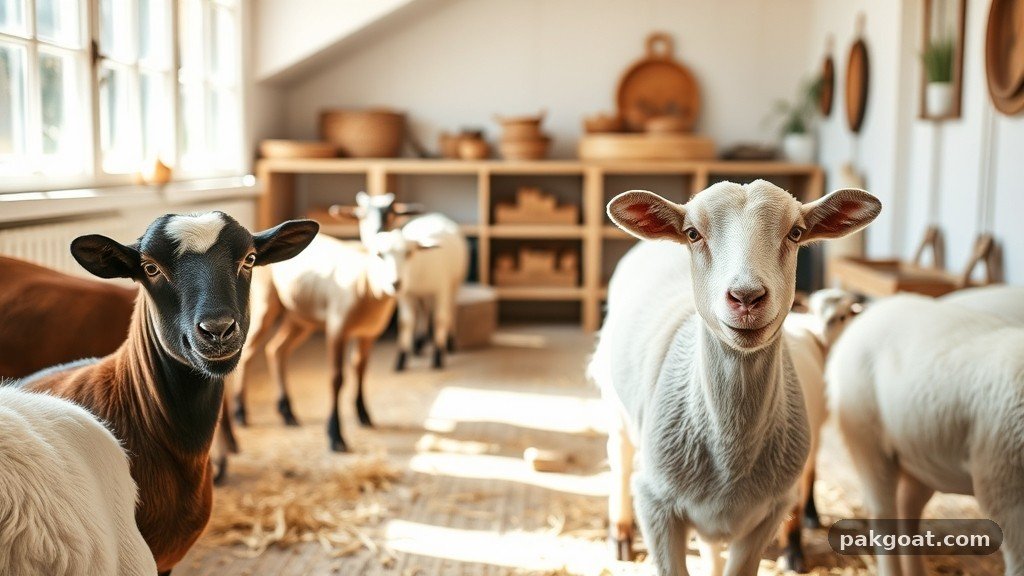
Starting a small-scale livestock operation is an increasingly popular way to secure food independence and manage land effectively. Goat farming at home provides a unique opportunity to produce high-quality milk, lean meat, and organic fertilizer right in your own backyard or small acreage. These animals are famously hardy and adaptable, making them suitable for various climates and terrains.
This transition to homesteading requires careful planning regarding space, nutrition, and breed selection to ensure the health of the herd. By understanding the specific needs of these ruminants, you can build a sustainable system that benefits your family and your property for years to come.
Space Requirements and Initial Feasibility
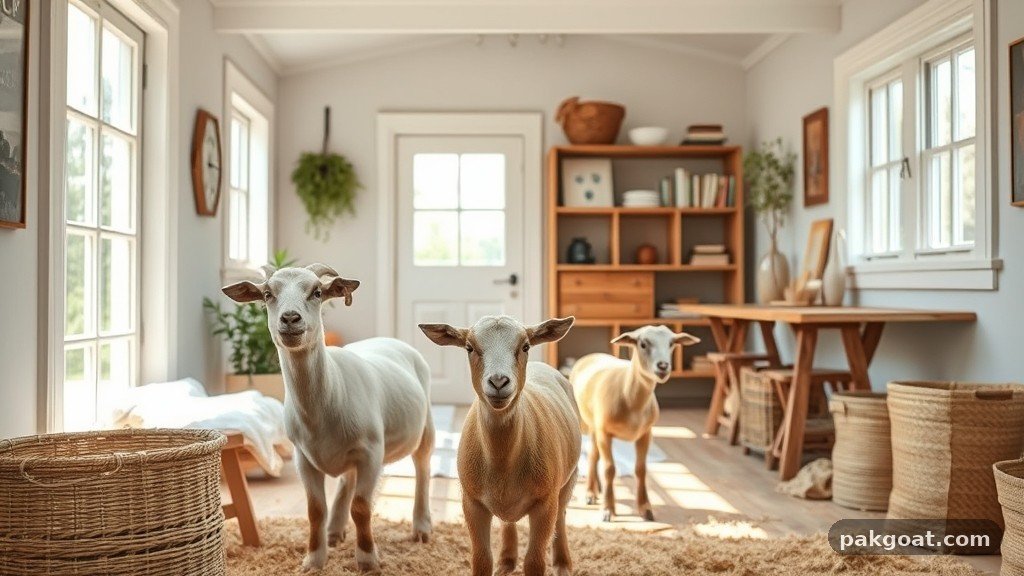
To determine if you have enough room for goats, you must look at both the physical enclosure and the available forage. Most experts suggest that a single acre of high-quality pasture can support 6 to 8 goats, depending on the vegetation density.
If you are operating on a smaller residential lot, you can successfully keep two miniature goats in a pen as small as 500 square feet. However, in these confined spaces, you must provide 100% of their nutritional needs through purchased hay and supplements.
Goats are highly social creatures and should never be kept alone. A solitary goat will become stressed, vocal, and prone to escaping in search of companionship. You should plan to start with at least two animals to ensure their psychological well-being.
If your primary goal is milk production, remember that a doe needs to be bred annually, which means you will eventually have kids to manage. This increases your space requirements quickly as the herd expands each spring.
The terrain of your property also dictates how many animals you can handle. Rocky or sloped land that is unsuitable for cattle or crops is often perfect for goats. They prefer browsing on brush, briars, and weeds rather than grazing on flat grass.
If your land is overgrown with invasive species like blackberry or English ivy, goats will act as natural landscapers. This reduces your long-term feed costs while improving the health of your soil through their nitrogen-rich manure.
Selecting the Right Breed for Your Goals
Choosing a breed is the most critical decision in your journey toward goat farming at home. Your choice should align strictly with your primary objective, whether that is dairy production, meat, or fiber.
For those focused on milk, the Nigerian Dwarf is a top choice for home setups because of its small size and high butterfat content. A single Nigerian Dwarf doe can produce up to two quarts of milk daily while consuming significantly less feed than a standard-sized dairy goat.
If you have more space and want higher volume, consider the Saanen or Alpine breeds. Saanens are often called the “Holsteins” of the goat world because they produce the highest volume of milk, often exceeding 1.5 gallons per day. Alpines are known for their hardiness and long lactation cycles, making them reliable producers for a family.
For meat production, the Boer goat is the industry standard due to its rapid growth rate and heavy muscling. These goats are docile and easy to handle, though they require more intensive parasite management than some dairy breeds.
Fiber enthusiasts often turn to Angora or Pygora goats. These animals produce mohair or cashmere, which can be spun into high-value yarn. While fiber goats don’t provide much in the way of food, they offer a creative outlet and a potential source of artisanal income.
Dual-purpose breeds like the Nubian are also popular; they provide decent meat yields and rich, creamy milk. The following table compares the most popular breeds for home environments.
| Breed | Primary Purpose | Average Adult Weight | Unique Benefit |
|---|---|---|---|
| Nigerian Dwarf | Dairy | 75 lbs | High butterfat, small footprint |
| Boer | Meat | 200-300 lbs | Rapid growth, high carcass yield |
| Saanen | Dairy | 150+ lbs | Highest milk volume |
| Angora | Fiber | 100-150 lbs | Produces valuable mohair |
| Nubian | Dual-Purpose | 135-175 lbs | Very long ears, rich milk |
Infrastructure and Secure Fencing
The old saying that “a fence that cannot hold water cannot hold a goat” is only a slight exaggeration. Goats are notorious escape artists that will climb, crawl, or squeeze through the smallest gaps. For a secure perimeter, you should use woven wire fencing with openings no larger than 4 inches by 4 inches.
This prevents goats from sticking their heads through and getting stuck, which is a common cause of injury. The fence should be at least 48 inches high for standard breeds, though 60 inches is safer for more athletic animals like Alpines.
Electric fencing can be used as a psychological barrier, but it rarely works as a standalone physical one. Many owners run a single strand of “hot” wire at the top and bottom of a woven wire fence to discourage leaning and digging.
Goats have a habit of standing on fences to reach tree branches, which can cause the wire to sag over time. Using sturdy T-posts spaced every 8 to 10 feet will help maintain the structural integrity of your enclosure.
Housing does not need to be elaborate, but it must be functional and dry. Goats hate rain and will seek shelter at the first sign of a sprinkle. A three-sided shed facing away from the prevailing winds is usually sufficient in moderate climates.
Ensure the floor is elevated or well-bedded with straw or wood shavings to keep their hooves out of the mud. Proper ventilation is vital to prevent respiratory issues like pneumonia, so avoid sealing the barn too tightly.
Nutrition and Feeding Strategies
Goats are ruminants, meaning they have a four-compartment stomach designed to ferment fibrous plant material. While they are often depicted as eating tin cans, they are actually quite selective browsers.
Their diet should consist of at least 70% forage, which can be pasture, brush, or high-quality hay. Alfalfa hay is excellent for lactating does because of its high calcium and protein content, whereas grass hay is better for dry does and wethers.
Clean water is the most important nutrient you can provide. A single goat can drink between 2 and 5 gallons of water per day depending on the temperature and their milk production level. If the water is dirty or has a foul odor, they will refuse to drink, leading to dehydration and decreased milk yield.
You should also provide a free-choice loose mineral supplement specifically formulated for goats. Sheep minerals are not suitable because they lack the copper levels that goats require for immune function and coat health.
Grains and concentrates should be used sparingly as a “top-off” for energy. Overfeeding grain can lead to serious metabolic issues like rumen acidosis or urinary calculi in males. A general rule is to offer grain only during milking or in the late stages of pregnancy when the doe’s energy demands are highest.
For maintenance, a diet of brush, hay, and minerals is usually all they need to thrive. Always introduce new feeds slowly over a period of two weeks to allow the rumen bacteria to adjust.
Health Management and Disease Prevention
Maintaining a healthy herd requires a proactive approach to parasite management and vaccinations. Internal parasites, particularly the barber pole worm, are the leading cause of death in domestic goats. Instead of deworming on a set schedule, many successful owners use the FAMACHA system to check the color of the eyelid membranes.
If the membranes are pale, it indicates anemia caused by worms, and only then is a dewormer administered. This practice helps prevent the development of drug-resistant parasites on your property.
Hoof trimming is another essential task that must be performed every 6 to 8 weeks. If hooves are allowed to overgrow, they can trap moisture and bacteria, leading to painful conditions like hoof rot. You can learn to do this yourself with a simple pair of hoof shears and a rasp.
It is a quick process once the goat is trained to stand still, usually on a milking stand or grooming stanchion. Regular trimming ensures the animal maintains a proper gait and prevents long-term joint damage.
Vaccinations are a standard part of goat farming at home for most producers. The CD&T vaccine is the most common, protecting against Clostridium perfringens types C and D, as well as tetanus. Kids usually receive their first dose at 6 to 8 weeks of age, followed by a booster.
Adult goats require an annual booster to maintain their immunity. Keeping a basic medical kit on hand is also wise, including a digital thermometer, antiseptic spray, and bandages for minor scrapes. For more complex issues, consulting resources like the Penn State Extension goat production guide can provide deeper clinical insights.
Breeding and the Kidding Process
If you intend to have a continuous milk supply, you will need to manage a breeding program. Most goats are seasonal breeders, meaning they go into “heat” or estrus as the days get shorter in the fall.
The gestation period for a goat is approximately 150 days, or roughly five months. During this time, the doe’s nutritional needs will increase, especially in the final six weeks when the kids are growing rapidly.
Kidding, or the act of giving birth, is usually a straightforward process that goats handle instinctively. However, you should be prepared to intervene if a kid is malpositioned. Signs of impending labor include the doe nesting, “hollow” flanks as the kids drop into the birth canal, and vocalization.
Once the kids are born, it is vital that they receive colostrum—the mother’s first milk—within the first two hours of life. Colostrum contains essential antibodies that build the kid’s immune system, as they are born without any natural defenses.
Managing bucks (intact males) is a different challenge altogether. Bucks develop a very strong, musky odor during the breeding season and can become aggressive. Many home farmers choose to “rent” a buck or use artificial insemination rather than keeping one on-site year-round.
If you do keep a buck, he must have a separate, very secure enclosure away from the does to prevent unplanned breeding. Wethers (castrated males) make excellent companions for bucks and do not have the same odor or behavioral issues.
Economic Considerations and Profitability
While many people start goat farming at home as a hobby, it can be turned into a profitable small business. The most common way to generate income is through the sale of registered breeding stock.
High-quality, pedigreed kids can sell for several hundred dollars each, often covering the annual hay bill for the entire herd. Meat goats are also in high demand, particularly during certain cultural holidays when the market price for goat meat spikes significantly.
Value-added products offer another path to profitability. If your local laws allow, you can sell goat milk, cheese (chevre), or yogurt directly from the farm. Many homesteaders also use excess milk to create goat milk soap and lotions, which have a long shelf life and can be sold at farmers’ markets or online.
The manure itself is a valuable commodity; “goat berries” are a cold manure, meaning they can be applied directly to gardens without burning the plants. Selling bagged, aged manure can provide a steady trickle of income.
* Breeding Stock: Selling registered kids to other farmers.
* Dairy Products: Milk, cheese, and yogurt (subject to local regulations).
* Skincare: Handcrafted soaps and lotions made from high-fat milk.
* Land Clearing: “Renting” your goats out to clear brush for neighbors.
* Fiber: Selling raw fleece or processed yarn from Angora goats.
Daily Routines and Management Tasks
Consistency is the secret to a healthy and productive goat farm. Your daily routine should begin with a visual inspection of every animal. Look for signs of illness such as lethargy, drooping ears, or a lack of interest in food.
A healthy goat is alert, curious, and usually the first to greet you at the gate. Morning chores typically include refilling water troughs, providing fresh hay, and cleaning out any heavily soiled bedding in the shelter.
If you are milking, this happens twice a day, roughly 12 hours apart. Cleanliness is paramount in the milk parlor to prevent bacteria from contaminating the supply. You should wash the doe’s udder with a gentle sanitizer and discard the first few squirts of milk to clear the teat canal.
After milking, a teat dip should be applied to prevent mastitis, an infection of the udder. The milk must be filtered and chilled immediately to 40 degrees Fahrenheit to maintain its flavor and safety.
Evening chores are similar to the morning, with a focus on securing the animals for the night. Predators like coyotes or stray dogs are most active at dusk and dawn, so ensure everyone is inside the fenced area or barn. This is also a good time to observe the social dynamics of the herd.
Goats have a strict “pecking order,” and sometimes a dominant doe will prevent a submissive one from reaching the hay feeder. Providing multiple feeding stations can help reduce this competition and ensure every goat gets enough to eat.
Frequently Asked Questions
How many goats should a beginner start with?
A beginner should start with two or three goats. Since they are social animals, keeping a single goat is not recommended. Starting small allows you to learn the ropes of daily care, milking, and fencing without being overwhelmed by a large herd.
Can goats live with other livestock like sheep or chickens?
Yes, goats can coexist with other animals, but there are caveats. They often get along well with sheep, but you must feed them separately because goats require copper in their diet, which is toxic to sheep. Chickens can live in the same area, but you must prevent the goats from eating the chicken feed, as it can cause bloat.
How much does it cost to keep a goat per month?
The cost varies based on your location and whether you have pasture. On average, expect to spend between $20 and $40 per month per goat for hay, minerals, and basic health supplies. This does not include the initial cost of fencing or the purchase price of the animal.
How long do domestic goats live?
Most domestic goats live between 12 and 15 years. Their productive life for milking or breeding is usually around 8 to 10 years. With excellent nutrition and regular hoof and dental care, some goats have been known to live into their late teens.
Do I need a buck to get milk?
You do not need to own a buck, but your doe must be bred by a buck to produce milk. Does only produce milk after they have given birth. Most small-scale owners prefer to take their does to a “stud” farm or use artificial insemination to avoid the smell and management challenges of keeping a buck at home.
The Future of Your Home Goat Farm
Embracing goat farming at home is a rewarding journey that connects you directly to your food source and the rhythms of nature. While the initial setup requires a significant investment in fencing and infrastructure, the long-term benefits of fresh milk and sustainable land management are substantial.
Success depends on your willingness to learn the specific biological needs of these animals and your commitment to a daily routine. As you gain experience, you may find that your small herd becomes a central part of your household’s economy and lifestyle.
To get started, focus on preparing your land and choosing a breed that matches your space and goals. Reach out to local 4-H groups or agricultural extensions to find mentors in your area. By starting with a small, manageable number of animals, you can grow your skills alongside your herd.
Goat farming at home is more than just a way to produce food; it is a path toward a more self-reliant and fulfilling way of life. Over time, the bond you form with these intelligent, quirky animals will likely become the most rewarding part of the entire experience.
