

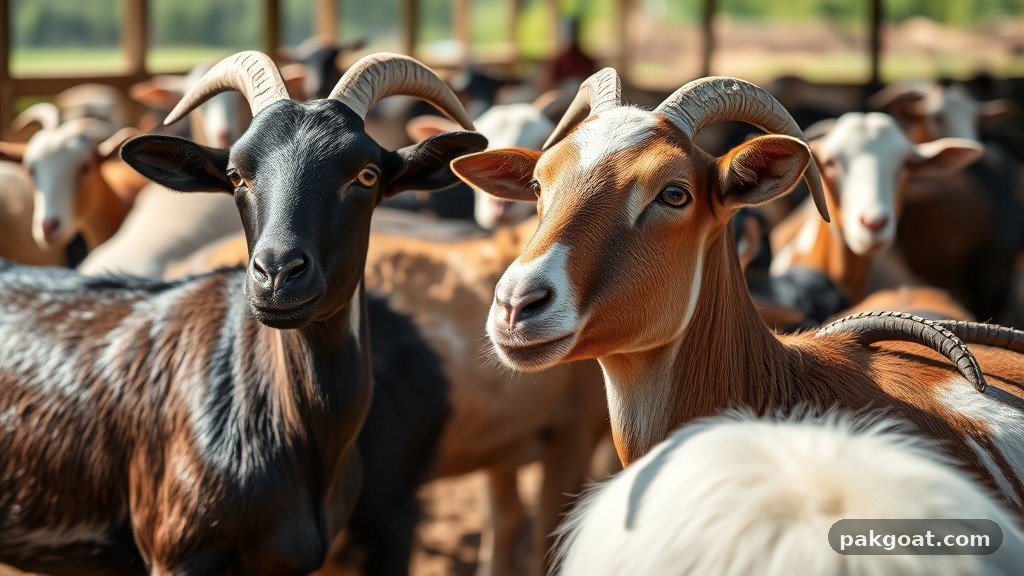
Engaging in goat farming requires a blend of animal husbandry knowledge, financial planning, and land management. Whether you are aiming for milk production, meat, or fiber, understanding the biology and the business model is essential for long-term viability. This overview helps you evaluate the requirements for starting your own herd and managing them effectively through seasonal changes and market shifts.
Profitability in this industry depends heavily on your specific niche and local market demand. A small-scale operation with 10 to 20 does can generate supplemental income, while a commercial enterprise often requires 100 or more animals to achieve economies of scale. Net profit margins for goat meat typically range from 15% to 25%, depending on feed costs and your ability to sell directly to consumers. Dairy operations often have higher overhead due to sanitation requirements and specialized equipment, but they offer consistent, year-round cash flow.
Essential Infrastructure and Land Management
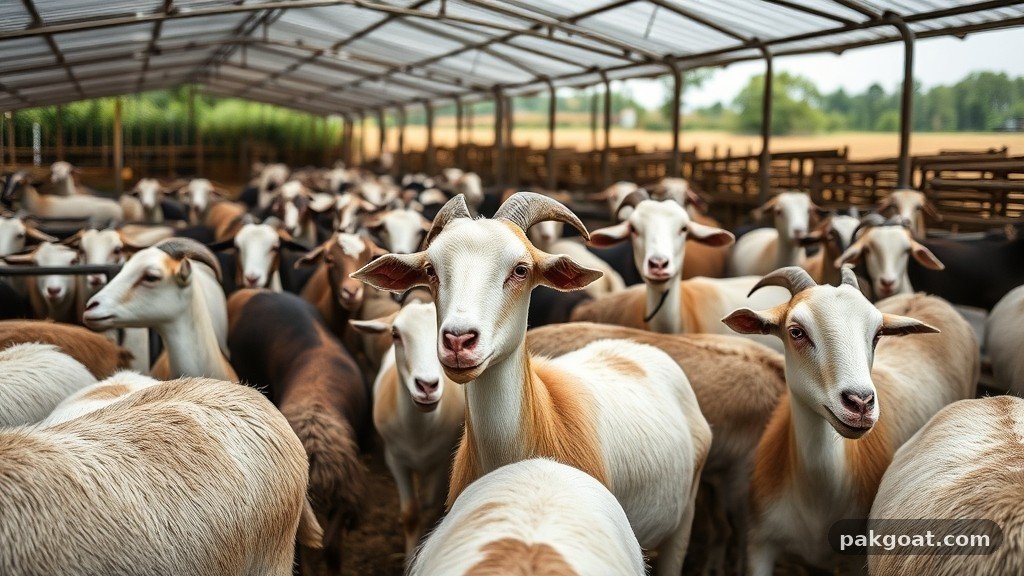
Successful goat farming begins with the right environment and physical security. Goats are notorious for testing fences, so investing in high-quality woven wire fencing is a non-negotiable startup expense. You should plan for approximately six to ten goats per acre, depending on the quality of your pasture and your commitment to rotational grazing.
Shelter requirements are relatively simple, as long as the structure remains dry and draft-free. Goats are highly susceptible to respiratory issues when exposed to damp, stagnant air. A three-sided shed facing away from prevailing winds is usually sufficient for most climates, provided it offers enough square footage for every animal to lie down comfortably.
Internal parasite control is the most significant challenge in managing a herd on pasture. Implementing a rotational grazing system prevents goats from consuming larvae that accumulate near the soil surface.
By moving your herd to a fresh paddock every three to seven days, you disrupt the parasite life cycle naturally. This practice also improves soil health by ensuring even manure distribution across your acreage.
Selecting the Right Breed for Your Goals
Your choice of breed dictates your primary revenue stream and the intensity of management required. Meat goats, such as the Boer, are selected for rapid growth rates and muscular conformation. Dairy breeds like the Alpine, Nubian, or Saanen are bred for high milk volume and butterfat content.
Fiber goats, particularly Angora or Cashmere, require specialized grooming and shearing schedules to maintain the quality of their fleece. These breeds often have different nutritional requirements compared to meat-producing animals. You must balance the physical characteristics of the breed with the availability of local processing facilities or markets for your specific end product.
| Breed Category | Primary Product | Key Characteristic |
|---|---|---|
| Boer | Meat | Fast weight gain |
| Nubian | Milk | High butterfat |
| Angora | Fiber | Mohair production |
| Kiko | Meat | Parasite resistance |
Nutritional Requirements and Feed Strategy
Goats are browsers, not grazers, meaning they prefer to eat leaves, shrubs, and weeds over short grass. A balanced diet must include high-quality forage, clean water, and a mineral supplement specifically formulated for goats. Copper is a critical mineral for their health, yet it is toxic to sheep; always check labels if you keep multiple species.
Hay quality becomes the primary concern during winter months or periods of drought. You should estimate that an adult goat consumes between 3% and 4% of its body weight in dry matter daily. Storing a year’s supply of hay in a dry barn is a common best practice to avoid price spikes during the peak of winter.
Consider incorporating browse management into your daily routine to reduce supplemental feed costs. Goats can effectively clear brush and invasive species, which turns a land-management task into a nutritional benefit for the herd. Always monitor body condition scores to ensure the animals aren’t losing weight during periods of heavy production or lactation.
Health Protocols and Veterinary Care
A proactive health program is far less expensive than emergency veterinary intervention. You must establish a relationship with a large-animal veterinarian before you even purchase your first goat. Many common health issues in goat farming can be managed on-site if you have the right training and supplies.
Vaccination schedules typically focus on CD&T (Clostridium perfringens types C and D, and Tetanus). Kids usually receive their first dose at 6 to 8 weeks, followed by a booster four weeks later. Keeping detailed records for each animal—including birth dates, medical treatments, and breeding history—is vital for tracking productivity.
Common medical supplies to keep in your barn:
-
- Rectal thermometer for checking fever
-
- Hoof trimmers for quarterly maintenance
-
- Electrolyte packets for dehydrated animals
-
- Antiseptic spray for umbilical cords and minor wounds
-
- Syringes and needles for administering medications
The Economics of Goat Farming
Understanding your cost-per-pound is the foundation of a viable business plan. Expenses include initial livestock purchases, fencing materials, annual veterinary fees, and recurring feed costs. You can find detailed resources on livestock management through the USDA Natural Resources Conservation Service, which offers guidance on sustainable land use and conservation practices.
Revenue streams for most small farms are diversified across multiple channels. Meat sales often happen seasonally, while milk and cheese production provides a more steady, albeit labor-intensive, income. Some farmers also generate revenue by selling breeding stock, manure for compost, or by renting out their goats for vegetation management services.
Marketing your products requires local networking and consistent quality. Farmers’ markets are excellent venues for building a loyal customer base for goat milk products or meat cuts. Digital marketing, through social media or a simple website, helps reach consumers who are looking for locally sourced, ethically raised food.
Managing Reproduction and Breeding Cycles
Most goats are seasonal breeders, influenced by the changing length of daylight. You can expect a gestation period of approximately 150 days, with most kidding occurring in the early spring. Managing this cycle allows you to coordinate your peak production with the highest market demand.
Selecting a buck is a major decision that influences the quality of your entire future herd. A high-quality sire with strong genetics for growth or milk yield can pay for itself within a single generation. If you are starting small, consider leasing a buck from a reputable breeder rather than purchasing one, which helps prevent inbreeding.
Kidding season is the most demanding time of year for a producer. You must be prepared to assist with births, address potential complications, and ensure that every kid receives adequate colostrum within the first hour of life. Proper management during this window directly dictates the survival rate and long-term health of your offspring.
Common Challenges in the Industry
New producers often underestimate the labor intensity of daily chores. Between checking fences, monitoring health, and managing feed, there is little downtime on a working farm. You must also account for predator pressure, which varies by region and requires robust protection strategies.
Predator control often involves the use of livestock guardian dogs, donkeys, or llamas. These animals live with the herd and provide a deterrent against coyotes, stray dogs, and bobcats. However, they also require training and their own nutritional and veterinary care, adding to your overall operational budget.
Market volatility is another reality that producers must hedge against. Prices for hay, fuel, and veterinary services can fluctuate, impacting your bottom line. Diversification—such as producing value-added goods like soap or artisanal cheese—can help stabilize your income when raw commodity prices are unfavorable.
Frequently Asked Questions
Is goat farming profitable for beginners?
It can be, provided you start with a clear business plan and a manageable number of animals. Most beginners find success by starting with a small herd and focusing on one primary product, such as meat or milk, before diversifying.
How much land is needed for 100 goats?
General industry standards suggest that you need at least 10 to 15 acres of high-quality pasture to support 100 goats. This assumes you are using rotational grazing; if you are relying on supplemental feeding, you might manage on less land, but the cost of inputs will rise.
How long do goats take to grow to market weight?
Meat goats typically reach market weight between 6 and 10 months of age. This timeline depends on the breed, the quality of the forage, and the level of supplemental nutrition provided during the growth phase.
What is the most important skill for a new goat farmer?
Observation is the most critical skill. Being able to spot a subtle change in a goat’s behavior, appetite, or posture often allows you to catch health issues before they become life-threatening emergencies.
How many goats should a beginner start with?
A starter herd of three to five does is ideal for learning the basics without being overwhelmed by labor or costs. Goats are herd animals, so you must have at least two, but starting with a slightly larger group provides better social stability for the animals.
Moving Forward with Your Herd
Establishing a successful operation requires patience and a commitment to learning from both your successes and your mistakes. Start by identifying your primary goal, whether it is self-sufficiency or commercial production, and build your infrastructure to support that specific objective. Focus on the health and welfare of your animals first, as high-quality products are the natural result of excellent husbandry.
Take the time to visit established farms in your area to see how they handle day-to-day challenges. Networking with local producers provides invaluable insights into regional weather patterns, local feed prices, and market opportunities. With careful planning and consistent management, your journey into goat farming can become a rewarding and sustainable enterprise for years to come.
