

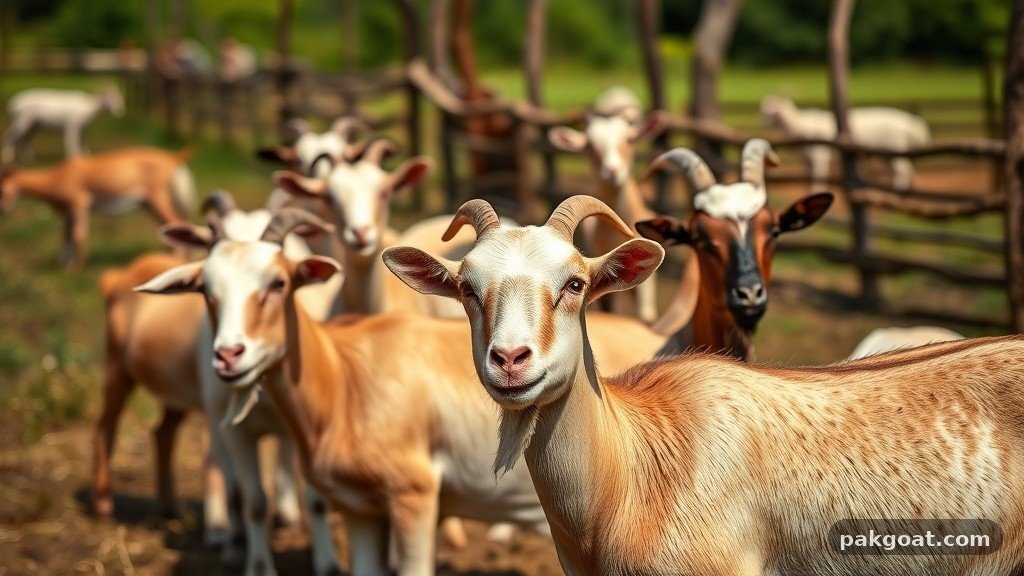
Operating a successful goat farming business requires a precise balance between animal husbandry and financial management. Many producers enter the industry expecting rapid returns, yet the reality involves careful planning regarding herd health, feed costs, and market positioning.
Whether you are aiming for meat production, dairy, or fiber, understanding the specific biological needs of your herd is the first step toward long-term viability. This article explores the economic foundations, land requirements, and scaling strategies necessary to build a sustainable operation in the modern agricultural sector.
The profitability of a goat farming business depends heavily on your chosen niche and your ability to manage overhead. While a small-scale operation with 10 to 20 head can generate supplementary income, a commercial enterprise usually requires at least 100 to 200 does to achieve meaningful economies of scale.
Producers focused on meat goats, such as the Boer breed, often see faster turnover, whereas dairy operations require significant investment in milking infrastructure and sanitary processing facilities. On average, a well-managed farm can expect a net profit margin ranging from 15% to 25% once initial capital expenditures are amortized over several years.
Essential Infrastructure and Land Requirements
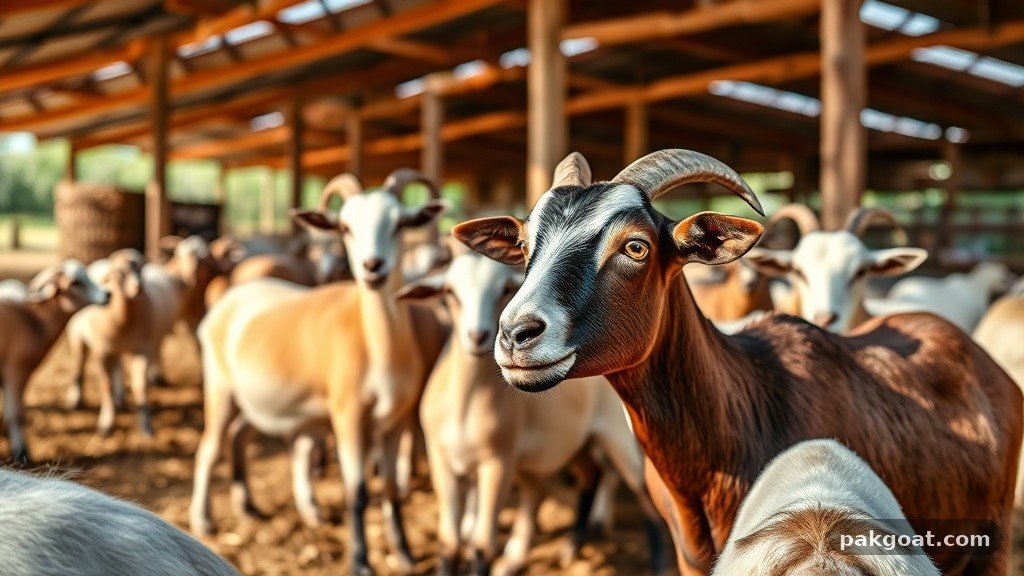
Proper land management is the backbone of any goat farming business. You generally need about 0.5 to 1 acre of high-quality pasture for every 10 to 15 goats, depending on the forage quality and your rotation schedule.
Overstocking leads to depleted soil, increased parasite loads, and higher veterinary expenses that quickly erode your profit margins. Rotational grazing is not optional; it is a critical practice to keep your herd healthy and your land productive year after year.
Shelter requirements for goats are relatively straightforward compared to other livestock. They need a dry, draft-free structure that provides at least 10 to 15 square feet of indoor space per animal. During kidding season, you will need additional climate-controlled pens to protect newborns from extreme temperatures and predators.
Fencing is perhaps your largest infrastructure investment, as goats are notorious for escaping through standard wire setups. You should invest in high-tensile woven wire fencing at least 48 inches high to keep your stock secure and predators out of the paddock.
Financial Planning and Start-up Costs
Starting a goat farming business involves significant upfront capital that often surprises new producers. You must account for the purchase price of quality breeding stock, which can range from $200 for commercial-grade animals to over $1,500 for registered, high-pedigree breeding bucks.
Beyond the animals, you will need to budget for specialized equipment such as feeders, water troughs, mineral stations, and livestock trailers. Many farmers find that their initial capital outlay is consumed by land improvements rather than the animals themselves.
Operating costs are dominated by supplemental feed, health supplies, and transport logistics. Goats are browsers rather than grazers, meaning they prefer brush and weeds, but they still require high-quality hay and minerals during winter months or drought conditions.
You should also set aside a contingency fund of at least 10% of your annual operating budget for emergency veterinary care. Keeping meticulous records is essential; without a clear understanding of your cost per pound of gain or cost per gallon of milk, you are essentially gambling rather than running a business.
| Cost Category | Estimated Start-up Range | Ongoing Annual Impact |
|---|---|---|
| Breeding Stock | $3,000 – $10,000 | Low (Replacement focus) |
| Fencing & Shelter | $5,000 – $15,000 | Moderate (Maintenance) |
| Feed & Supplements | $500 (Initial) | High (Variable) |
| Veterinary & Health | $500 (Initial) | Moderate (Routine) |
Choosing the Right Breed for Your Market
Your choice of breed should be dictated entirely by your target market. If you are entering the meat market, breeds like the Boer or Kiko are preferred due to their rapid growth rates and muscular builds.
Dairy farmers, by contrast, rely on breeds like the Alpine, Nubian, or LaMancha, which are selected for milk volume and butterfat content. Don’t fall into the trap of purchasing “cute” animals that lack the production traits required to sustain a commercial operation.
Market demand often dictates the viability of your goat farming business in specific regions. Research local ethnic markets, as demand for goat meat frequently spikes during religious holidays like Eid al-Adha.
Dairy producers should investigate the proximity of artisanal cheese makers, as selling raw milk is often subject to strict state regulations. Always secure your buyers before you purchase your first set of kids to ensure you aren’t stuck with animals that have no clear path to profitability.
Managing Herd Health and Parasite Control
Internal parasites are the most common cause of failure in a goat farming business. Goats are highly susceptible to barber pole worms, which can decimate a herd in a matter of weeks if not managed correctly.
Implementing a FAMACHA scoring system allows you to identify individual animals that need deworming based on the color of their eyelid mucosa. This prevents the overuse of chemical dewormers, which has led to significant drug resistance in many regions.
A proactive health program includes regular hoof trimming, vaccination schedules, and mineral supplementation. Copper deficiency is a common issue for goats, yet they are also sensitive to copper toxicity if the mineral is provided in the wrong concentration.
Consult with your local extension office or a large animal veterinarian to develop a protocol tailored to your specific soil and climate. You can find detailed resources on livestock management standards through the USDA National Institute of Food and Agriculture.
Scaling Your Operation Successfully
Scaling a goat farming business requires moving from a “hobbyist” mindset to a “production” mindset. This transition involves standardizing your kidding schedule, grouping animals by age and nutritional needs, and optimizing your labor hours.
Many producers find that they can double their herd size without doubling their labor if they invest in automated water systems and efficient handling chutes. Focus on improving your herd’s genetics through culling underperforming animals that do not meet your production targets.
Marketing your products is the final step in scaling. Direct-to-consumer sales, such as selling meat cuts at farmers’ markets or selling raw goat milk for pet consumption (where legal), often provide higher margins than selling to auction houses.
Auction houses are convenient, but they rarely offer the best price for high-quality, ethically raised animals. Build a brand around your farming practices, such as “pasture-raised” or “no-antibiotics-added,” to command a premium price in local markets.
Key Operational Milestones
* Year 1: Focus on infrastructure setup, land preparation, and mastering basic health protocols.
* Year 2: Establish your breeding schedule and begin culling animals that do not meet growth or production standards.
* Year 3: Evaluate profitability and begin scaling the herd size based on available pasture and market demand.
* Year 4: Diversify income streams by exploring value-added products like goat milk soap, cheese, or composted manure.
* Year 5: Optimize supply chain logistics and investigate wholesale opportunities to increase volume.
Common Risks and Mitigation Strategies
Every goat farming business faces inherent risks, from predatory pressure to market price fluctuations. Predators such as coyotes, stray dogs, and bobcats can cause significant losses in a single night.
Using livestock guardian dogs (LGDs) is a time-tested strategy that provides 24/7 protection for your herd. Never rely solely on fencing to stop predators, as many can dig under or jump over standard barriers.
Market volatility is another factor that requires careful navigation. Prices for feeder kids can fluctuate based on the availability of feed and overall economic conditions.
Hedging your risk by diversifying your products—such as selling both meat and breeding stock—can help stabilize your income. Always keep a cash reserve equivalent to at least six months of feed and veterinary expenses to weather unexpected downturns in the market.
Frequently Asked Questions
Is it possible to make a full-time living from a goat farming business?
It is possible, but it requires a large herd size, usually upwards of 300 to 500 head, and a highly efficient operation. Most successful full-time farmers diversify their income by selling breeding stock, meat, and dairy products simultaneously.
How much land is strictly necessary for 100 goats?
You generally need 5 to 10 acres of high-quality, well-managed pasture for 100 goats. If you have poor-quality land, you will need to supplement heavily with hay, which increases your operating costs and decreases your profit margins.
What is the biggest challenge for beginners?
The biggest challenge is managing internal parasites and high mortality rates in kids. Beginners often underestimate the amount of time required for daily health checks and the importance of having a robust parasite management program in place.
Do I need a license to sell goat meat or milk?
Regulations vary significantly by state and country. In many areas, selling meat requires USDA-inspected processing, while selling raw milk for human consumption is often strictly prohibited or heavily regulated. Always check your local Department of Agriculture guidelines before selling any products.
How do I know which breed is right for me?
Look at your local market demand first. If your area has a high demand for goat milk, look into dairy breeds; if you are near a large urban center with diverse ethnic populations, meat breeds like the Boer are likely your best path to consistent sales.
Taking the Next Steps
Building a profitable goat farming business is a marathon, not a sprint. The most successful producers are those who prioritize animal health, maintain strict financial records, and remain flexible enough to adapt to changing market demands.
Start by assessing the land you have available and identifying the specific niche that fits your region’s needs. Do not attempt to scale too quickly; focus on mastering the basics of herd management with a small group of animals before expanding your infrastructure or herd size.
Consistency is your most valuable asset in this industry. By documenting every cost and every success, you will gain the insight needed to make informed decisions about the future of your operation.
Whether you are looking to generate a modest side income or build a large-scale commercial enterprise, the principles of hard work and careful planning remain the same. Take the time to visit established farms, talk to local extension agents, and start your journey into the goat farming business with a clear, realistic plan.
