

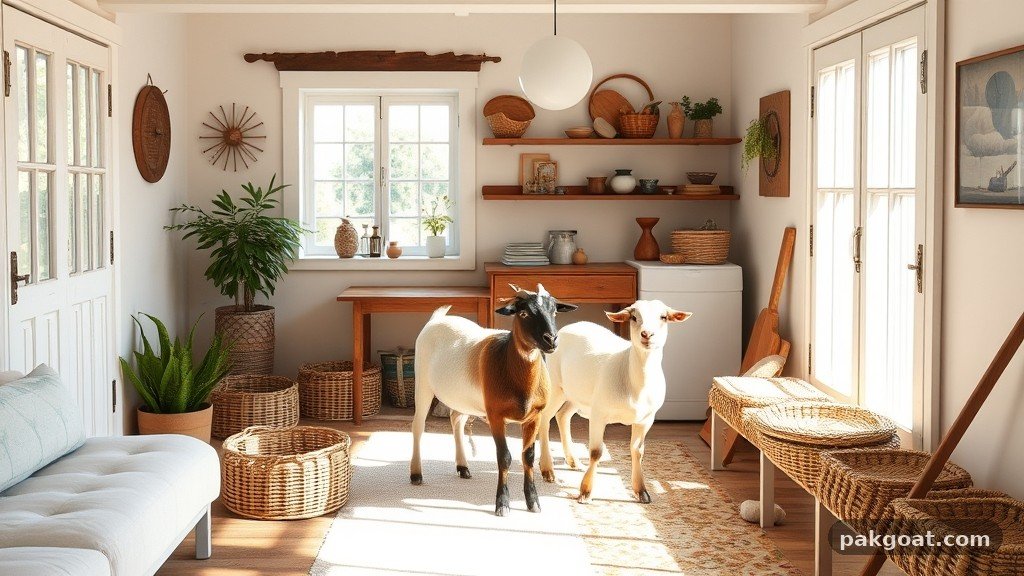
Embarking on goat farming at home offers a unique blend of self-sufficiency, land management, and agricultural education for families looking to utilize their backyard space effectively. Whether you are interested in fresh dairy production, natural weed control, or simply the companionship of these intelligent animals, setting up a small operation requires careful planning and a commitment to daily animal welfare.
Understanding the logistical demands and legal constraints is the first step toward building a successful home setup that remains sustainable for both the goats and the environment. This exploration covers the essential infrastructure, nutritional needs, and management practices required to ensure your goats thrive in a residential or small-acreage setting.
How much space do you need for home goat farming?
The amount of space required for goats depends heavily on your goals and the specific breed you choose to raise. For a small hobby setup, a rule of thumb is to provide at least 250 square feet of exercise area per goat in a dry-lot situation. If you intend to rely on pasture grazing, you will need significantly more land to prevent overgrazing and soil erosion.
A general recommendation is to allocate one acre for every 6 to 8 goats if you are rotating them through managed paddocks. This intensity of management keeps the land productive and helps break the lifecycle of common internal parasites.
Essential Infrastructure and Housing Requirements
Goats are notoriously sensitive to moisture and drafts, making a dry, well-ventilated shelter a non-negotiable asset for any home farm. You do not need an expensive barn; a three-sided shed oriented away from prevailing winds often suffices in temperate climates.
Ensure the roof is watertight and the floor is raised or covered with deep bedding to keep the animals off damp ground. Proper ventilation is vital, as moisture buildup in an enclosed space can lead to respiratory issues, such as pneumonia, which can spread quickly through a small herd.
Fencing is the most significant investment for anyone starting goat farming at home, as these animals are expert escape artists. Standard woven wire fencing, often called “no-climb” fencing, is the gold standard because it prevents heads from getting stuck in the gaps. If you use electric fencing, you must maintain a constant, high-voltage charge to discourage goats from testing the boundaries.
Never use barbed wire, as it causes severe injuries to a goat’s coat and skin. A fence height of at least 48 inches is generally sufficient to keep most breeds contained, provided the gate latches are secure and not easily manipulated by curious hooves.
Nutritional Needs and Dietary Management
Goats are browsers rather than grazers, meaning they prefer shrubs, woody plants, and weeds over lush, manicured grass. Providing a high-quality forage base is the foundation of their diet, supplemented by hay during the winter months or when pasture is scarce. You must provide free-choice access to a loose, goat-specific mineral supplement to prevent deficiencies.
Unlike sheep, goats require copper in their diet, so ensure your mineral mix is formulated specifically for their metabolic needs. Clean, fresh water must be available at all times, as a goat will refuse to drink if the water is fouled by debris or algae.
Managing Health and Parasite Loads
Internal parasites, particularly the barber pole worm, represent the most significant health threat in small-scale goat operations. Because goats often browse low to the ground, they are highly susceptible to picking up larvae from the soil and forage. Implement a rigorous FAMACHA scoring system, which involves checking the color of the goat’s lower eyelid to assess anemia levels.
This technique allows you to treat only the individuals that need it, rather than blanket-treating the whole herd, which helps prevent the development of drug-resistant parasites. Keep a relationship with a local large-animal veterinarian who can perform fecal egg counts and assist with vaccination schedules.
Financial Considerations for Small-Scale Operations
Profitability in small-scale goat farming is rarely found in commercial meat or milk sales alone. Most home farmers find value in the intangible benefits, such as land clearing, fertilizer production for gardens, and the potential for selling high-quality breeding stock. The initial startup costs can be substantial, including the purchase of registered stock, fencing materials, and shelter construction.
Operating costs are generally lower if you have your own pasture, but you must account for hay, grain, veterinary care, and insurance. The Penn State Extension provides extensive resources on the technical aspects of goat husbandry that can help you minimize waste and optimize your resources.
| Expense Category | Initial Est. Cost | Ongoing Yearly Est. |
| :— | :— | :— |
| Fencing Materials | $500 – $1,500 | $50 – $100 |
| Shelter/Housing | $300 – $1,000 | $50 – $150 |
| Feed/Hay | $0 | $400 – $800 |
| Veterinary/Supplies | $100 | $150 – $300 |
| Breeding Stock (Pair) | $400 – $1,200 | N/A |
Handling Legal and Zoning Restrictions
Before purchasing your first goat, you must consult your local municipal ordinances and homeowner association rules. Many residential zones have specific restrictions on livestock, including minimum acreage requirements and setbacks for structures. You may also face noise complaints if you keep a buck, as intact males can be quite loud during breeding season.
It is often wiser for the home farmer to keep only does or wethers to maintain peace with neighbors. Always verify the rules regarding manure management, as improper disposal can lead to fines or the forced removal of your animals.
Choosing the Right Breed for Your Goals
The breed you select will dictate the primary use of your home farm, whether it is for milk, fiber, or brush clearing. Dairy breeds like the Nubian or Alpine are known for high milk production but require a more intensive milking schedule twice daily. Meat breeds like the Kiko or Boer are hardier and generally require less intervention, making them popular for those interested in sustainable land management.
Fiber breeds, such as the Angora, require regular shearing and protection from the elements to keep their coats clean and healthy. Consider your personal time commitment before selecting a breed that demands high-maintenance grooming or milking routines.
Frequently Asked Questions
Is it possible to raise goats in a suburban backyard?
Raising goats in a suburban setting is possible, but it requires strict adherence to local zoning laws and a high level of respect for your neighbors. You must ensure your yard is large enough to support the animals without creating a nuisance from noise or odor. Most suburban setups are better suited for miniature breeds like Nigerian Dwarfs, which require less space and produce less waste than standard-sized goats.
How many goats should a beginner start with?
Goats are herd animals and will become stressed, depressed, or destructive if kept alone. You should always start with at least two goats to ensure they have the companionship they need to thrive. Three is often considered the ideal starting number, as it allows for a social hierarchy while keeping the workload manageable for a beginner.
Do goats actually clear weeds effectively?
Goats are excellent at clearing brush, poison ivy, and unwanted woody weeds that many other animals will ignore. They are essentially “biological lawnmowers” that can transform an overgrown lot into a manageable space within a few weeks. However, they will also eat your ornamental shrubs and garden vegetables if you do not properly fence off the areas you want to protect.
What is the biggest challenge of goat farming at home?
The biggest challenge is consistent, daily management, particularly regarding health monitoring and fence maintenance. Goats are prone to various illnesses and parasite issues that require a watchful eye to detect early. If you cannot commit to daily check-ins and the occasional emergency veterinary visit, you may find the responsibility overwhelming.
Do I need a buck to have milk?
You only need a buck if you intend to breed your does to keep them in milk. Many small farmers prefer to lease a buck for a short period or take their does to a local breeder rather than keeping an intact male on their own property. This avoids the odor and behavioral challenges associated with keeping a buck year-round.
Conclusion
Establishing a successful operation for goat farming at home relies on balancing your personal goals with the fundamental requirements of animal husbandry. When you prioritize clean housing, proper nutritional support, and proactive parasite management, you create an environment where these animals can flourish. While the initial setup requires a significant investment of time and capital, the rewards of having a productive, self-sufficient backyard system are often worth the effort.
Always start small, learn the specific needs of your chosen breed, and remain mindful of your local regulations as you scale your project. By focusing on the health and welfare of your herd, you ensure that your journey into small-scale agriculture remains a positive and productive experience for years to come.
