

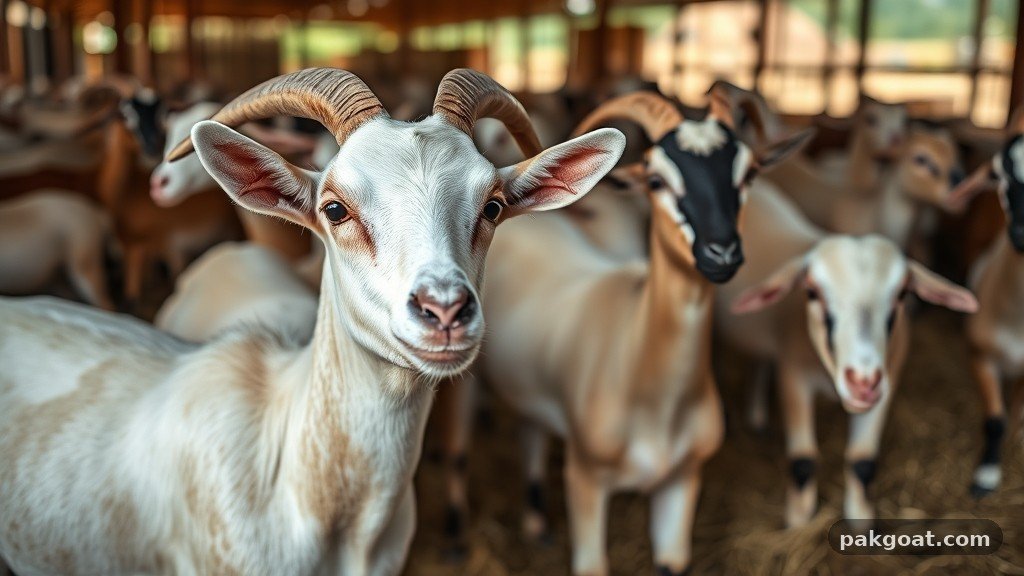
Commercial goat farming represents a significant niche in the agricultural sector, offering diverse revenue streams through meat, milk, and fiber production. Producers often find that starting with a small, manageable herd allows for better observation of animal health and market demand before scaling up operations. Success in this field relies heavily on understanding local market requirements, selecting the right breed for your specific climate, and maintaining rigorous health protocols.
To answer the most common question directly: yes, commercial goat farming can be a profitable venture, but net margins typically range between 15% and 25% for well-managed operations. Profitability is rarely immediate, as initial capital expenditure for infrastructure, fencing, and herd acquisition is significant. Most successful farms reach a break-even point between the third and fifth year of continuous operation.
Understanding the Economics of Goat Production
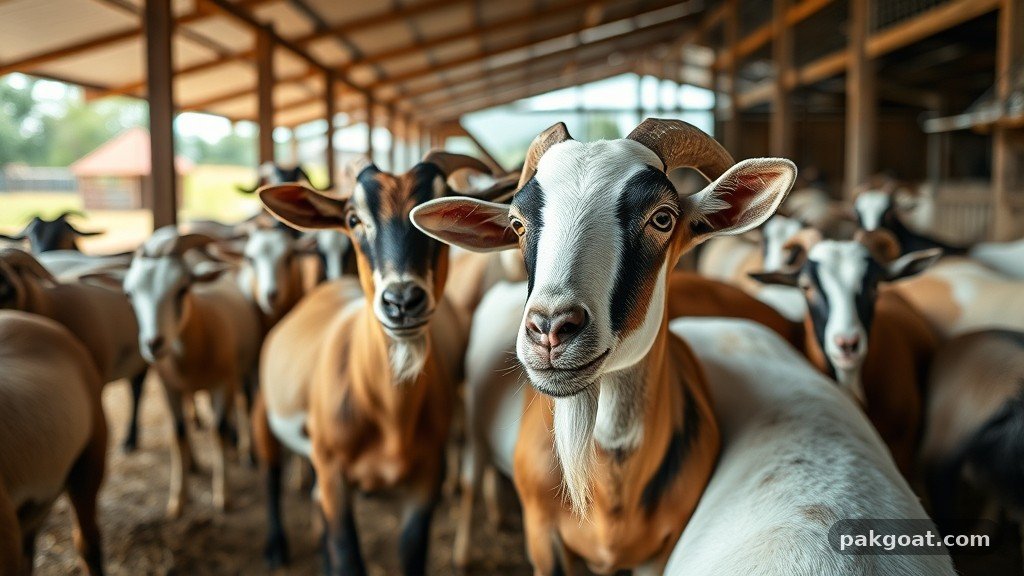
Profitability in this sector is driven by the specific product focus of your farm. Meat goats, such as the Boer breed, are often sold based on weight and age, with demand peaking during specific cultural and religious holidays. Dairy goats, like Alpine or Saanen breeds, provide a daily income stream through raw milk sales or processed products like artisanal cheese.
Fiber production, primarily from Angora goats, represents a more specialized market. The price of mohair fluctuates based on global textile demand, making it a higher-risk but potentially higher-reward path compared to meat or milk. You must evaluate the local processing infrastructure available to you before committing to a fiber-focused business model.
Operational costs include feed, veterinary care, housing, and labor. Feed typically accounts for 60% to 70% of total variable costs, especially if you lack sufficient pasture for intensive grazing. Managing these costs requires a balance between supplemental grain feeding and high-quality forage management.
Land Requirements and Herd Density
The amount of land you need for commercial goat farming depends heavily on your grazing management strategy. Intensive rotational grazing allows you to support more animals on less land by moving them frequently between smaller paddocks. This prevents overgrazing, encourages forage regrowth, and helps break the parasite life cycle.
A general rule of thumb for sustainable grazing is to stock between 6 and 10 goats per acre, provided the pasture is well-managed and productive. If you rely solely on natural forage without rotational grazing, that number can drop to as few as 2 or 3 goats per acre to prevent degradation. Overstocking is a primary cause of parasite buildup and poor herd health.
For those planning to keep 100 goats, you generally need at least 10 to 15 acres of high-quality, well-fenced pasture. This allows for adequate rotation to ensure the land remains healthy throughout the growing season. Always account for winter feeding requirements if you live in a region where forage availability drops during colder months.
Infrastructure and Facilities
Goats require dry, draft-free housing to thrive, particularly during kidding season or extreme weather events. While they are resilient animals, they are highly susceptible to respiratory issues if kept in damp or poorly ventilated structures. Your barn should provide at least 10 to 12 square feet of space per adult goat.
Fencing is perhaps the single most important investment you will make in your farm’s infrastructure. Goats are notorious for finding weaknesses in barriers, so high-tensile woven wire fencing is the industry standard. This type of fencing keeps predators out and prevents the goats from wandering into neighboring properties or dangerous areas.
Below is a breakdown of common initial infrastructure expenses for a small-scale start-up:
| Category | Estimated Cost Range |
|---|---|
| Woven Wire Fencing (per acre) | $1,500 – $3,000 |
| Basic Barn/Shelter Construction | $5,000 – $15,000 |
| Initial Herd Acquisition (per doe) | $250 – $600 |
| Feeding and Watering Equipment | $800 – $2,000 |
Managing Herd Health and Parasites
Internal parasites, particularly the barber pole worm, are the greatest threat to a profitable goat operation. Resistance to common dewormers is a growing problem globally, making integrated pest management essential. You must implement a strategy that includes FAMACHA scoring, which involves checking the color of the eyelid mucous membranes to determine the level of anemia.
Only treat individual animals that show signs of infestation rather than deworming the entire herd blindly. This practice, known as selective deworming, slows the development of drug-resistant parasite populations on your farm. Regularly rotating pastures also plays a critical role in minimizing the ingestion of parasite larvae.
Consulting with a veterinarian who specializes in small ruminants is a non-negotiable step for any commercial producer. They can help you develop a vaccination schedule tailored to the specific disease pressures in your region. You can find more information on best practices through the USDA Agricultural Research Service.
Choosing the Right Breed
Selecting the right breed is a decision that should be dictated by your end goal and your environment. If you are targeting the meat market, Boer goats are the gold standard due to their rapid growth rates and heavy muscling. Other breeds like Kiko or Spanish goats are often preferred for their hardiness and parasite resistance in rugged terrains.
For dairy operations, high-output breeds like Nubian or Saanen are favored for their milk volume and butterfat content. Nubians are particularly popular for their high protein content, which is ideal for cheese production. Alpine goats are known for their efficiency and ability to adapt to various climates.
* Boer: Best for meat production and growth speed.
* Kiko: Excellent for low-input, pasture-based systems.
* Nubian: Ideal for high-quality milk and cheese.
* Angora: Specialized for mohair fiber production.
* Spanish: Highly resilient in harsh, arid environments.
Marketing and Sales Strategies
Direct-to-consumer sales often yield the highest margins, but they require significant time and effort to build a customer base. Selling directly to local restaurants, farmers’ markets, or through community-supported agriculture programs allows you to capture more of the retail price. Establishing a brand around the quality and origin of your product can help justify premium pricing.
Wholesale channels provide a more stable, albeit lower-margin, outlet for your livestock. You might consider selling at local livestock auctions or through established meat processors who purchase in volume. While this requires less marketing effort, you have less control over the final price you receive for your animals.
Diversification is often a key strategy for long-term survival in the industry. Many successful farms combine meat sales with value-added products like goat milk soap, lotions, or aged cheeses. These processed goods often have a much longer shelf life and higher profit margins than raw livestock or milk.
Financial Planning and Sustainability
Commercial goat farming requires a clear understanding of cash flow and seasonal demand. Expenses tend to be highest during the kidding and breeding seasons, while revenue is concentrated when you take animals to market. Keeping detailed financial records allows you to identify which animals are underperforming and which are contributing most to your bottom line.
Consider the cost of feed storage and equipment maintenance as part of your annual budget. It is easy to underestimate the cost of labor, even if you are the one doing the work. Assigning a value to your time helps you determine the true profitability of your operation and whether you should pursue further automation or scaling.
Risk management is also vital, including insurance for your livestock and liability coverage for your property. Weather events, disease outbreaks, and market volatility are inherent risks in agriculture. Having a financial buffer can prevent a single bad season from forcing you to liquidate your herd prematurely.
Frequently Asked Questions
How much land is needed for a start-up herd?
You should aim for at least 5 to 10 acres to start, depending on your soil quality and forage management. Using intensive rotational grazing allows you to support more animals on a smaller footprint than continuous grazing.
Are goats more profitable than cattle?
Goats can offer higher returns per acre than cattle because they have a faster reproductive cycle and reach market weight sooner. However, they also require more intensive daily management and higher-quality fencing to prevent escapes.
What is the most common cause of loss in a herd?
Internal parasites are the leading cause of health issues and death in commercial goat operations. Proper pasture rotation and selective deworming are essential to mitigate this risk.
Can I sell goat milk directly to the public?
Regulations regarding raw milk sales vary significantly by state and country. You must check with your local agricultural department or health authority to understand the legal requirements for processing and selling dairy products.
Do I need a livestock guardian animal?
If you have predators in your area, such as coyotes or stray dogs, a livestock guardian dog or donkey is highly recommended. They provide a layer of protection that fencing alone cannot guarantee, especially in rural settings.
Conclusion
Starting a business in this sector requires a disciplined approach to animal husbandry and financial management. By focusing on breed selection, parasite control, and targeted marketing, you can build a sustainable and profitable operation. Success in commercial goat farming is rarely about finding a shortcut; it is about consistent, daily attention to the needs of your herd and the demands of your market.
Begin by starting small and scaling your operation only when you have mastered the basics of nutrition and health. As your expertise grows, you will be better positioned to expand your herd and explore value-added products that increase your margins. If you are prepared to invest the time and effort required, this field offers a rewarding opportunity to build a viable agricultural business.
