

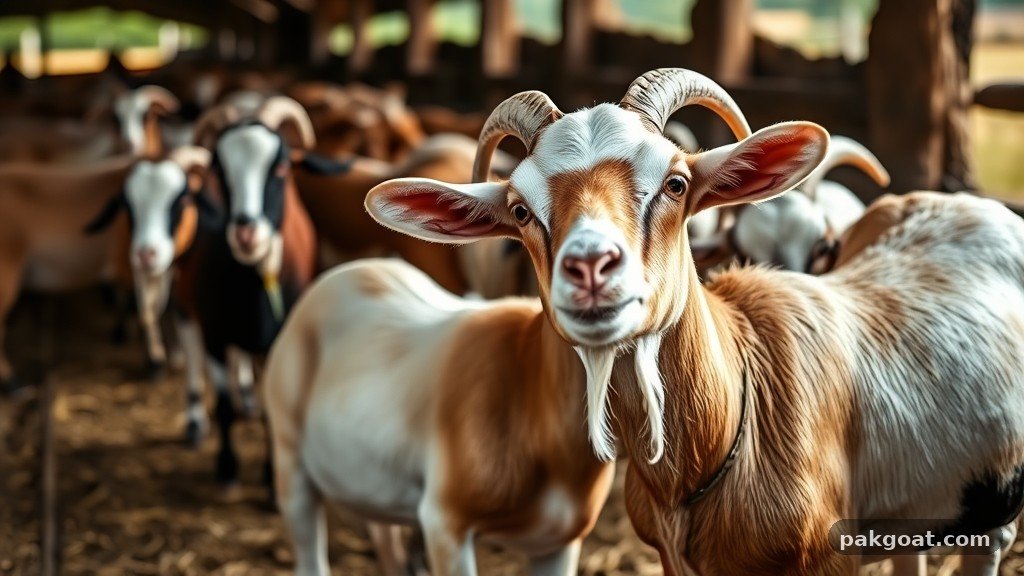
Launching a successful goat farming project requires careful planning and a clear understanding of both animal husbandry and market dynamics. Whether you are aiming for meat production, dairy yield, or fiber harvesting, the initial capital investment and operational strategy define your long-term viability. By focusing on breed selection, nutrition, and disease prevention, you can build a sustainable enterprise that scales effectively over time.
This article provides the foundational knowledge necessary to evaluate your startup costs, choose the right infrastructure, and manage daily operations for maximum productivity. Taking the right steps now will save you from costly mistakes later as your herd grows and your business model matures.
The primary costs for a small-scale operation typically fall between $5,000 and $15,000 for the first ten to fifteen animals, depending on your geographic location and existing infrastructure. You should expect to spend roughly 40% of your initial budget on purchasing quality breeding stock and another 30% on securing robust perimeter fencing. The remaining 30% covers essential startup expenses like initial veterinary supplies, shelter construction, and feed reserves for the first quarter.
While these figures fluctuate based on local land prices and breed availability, they offer a realistic baseline for a manageable, entry-level herd. Profitability usually begins to stabilize after the second breeding cycle, provided you maintain a low mortality rate.
Selecting the Ideal Goat Breed
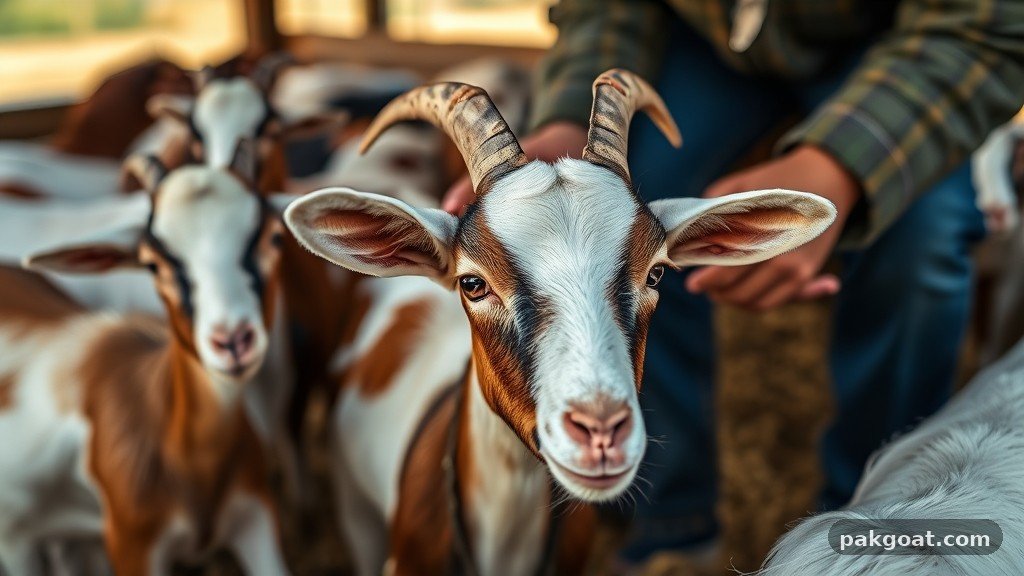
Choosing the right breed is the most critical decision in your goat farming project because it dictates your primary income stream. Dairy breeds like Saanen or Alpine are known for high milk volume, often producing 1.5 to 2.5 gallons per day during their peak lactation period. Meat-focused breeds such as the Boer goat are preferred for their rapid weight gain and high muscle-to-bone ratio.
If you are interested in fiber production, Angora or Cashmere goats offer high-value yields but require more intensive grooming and specialized climate control. Researching local demand ensures that you are not raising an animal that the regional market cannot support.
Consider the climate and environmental conditions of your specific land before committing to a breed. Some breeds are more resistant to internal parasites and heat stress, which significantly reduces the need for expensive chemical interventions. Hardier breeds, such as the Kiko, are often favored by new farmers because they require less intensive management and thrive on diverse forage.
Always source your initial stock from reputable breeders who can provide health certifications and lineage records. Starting with healthy, genetically sound animals prevents the introduction of chronic illnesses that can devastate a young herd.
Infrastructure and Housing Requirements
Goats are notoriously sensitive to moisture and drafts, so providing a dry, well-ventilated shelter is non-negotiable. A basic three-sided structure facing away from prevailing winds is often sufficient in temperate climates, provided the floor is raised or covered with dry bedding. You must ensure that your barn or shed provides at least 12 to 15 square feet of interior space per adult goat to prevent overcrowding.
Overcrowded conditions lead to increased stress, which suppresses the immune system and makes the entire herd more susceptible to respiratory infections. Clean, dry bedding, such as wood shavings or straw, should be replaced regularly to maintain hygiene.
Fencing is arguably the most significant infrastructure investment because goats are expert escape artists. Woven wire fencing at least 48 inches high is the industry standard to keep predators out and goats in. You may need to add a strand of electrified wire at the top and bottom to discourage jumping or leaning against the fence line.
Always check for gaps in the perimeter where a head could get stuck, as inquisitive goats often injure themselves in tight spaces. Investing in high-quality hardware for gates and latches prevents accidental releases that can lead to lost livestock and damaged crops.
Nutritional Strategy and Forage Management
A balanced diet is the cornerstone of a healthy and productive goat farming project. Goats are browsers, not grazers, meaning they prefer to eat weeds, brush, and leaves over short grass. Providing access to diverse pasture allows them to express their natural foraging behavior, which improves their overall health and reduces feed costs.
If you lack sufficient acreage for natural browsing, you must supplement with high-quality hay and a balanced grain ration. Always ensure that clean, fresh water is available at all times, as a goat’s milk production drops significantly if they are even slightly dehydrated.
Mineral supplements are vital because many soils lack the essential nutrients required for optimal goat health. A loose, free-choice mineral mix specifically formulated for goats—not sheep—is necessary to prevent deficiencies in copper, selenium, and zinc. You can learn more about specific nutritional requirements through the United States Department of Agriculture research portal to ensure your herd meets industry standards.
Monitor the body condition score of your animals monthly to adjust their feed intake accordingly. Underfed goats will struggle to reproduce, while overfed animals can develop metabolic issues that shorten their productive lifespan.
Disease Prevention and Herd Health
Proactive health management is far cheaper than reactive treatment when running a livestock business. Establish a relationship with a veterinarian who specializes in small ruminants before you purchase your first animal. You will need a basic medical kit containing antiseptic, syringes, thermometers, and common dewormers to handle minor issues immediately.
Implementing a strict quarantine protocol for any new animal entering the farm is the best way to prevent the spread of contagious diseases. Keep newcomers isolated for at least 30 days to observe their health and ensure they are not carrying parasites.
Internal parasites, particularly stomach worms, represent the most common health challenge in goat farming. Rotational grazing is an effective strategy to break the life cycle of these parasites by moving goats to fresh paddocks before the eggs can hatch and infect the herd. Keep detailed records of every animal, including their birth date, vaccination history, and any treatments they have received.
These records help you identify which animals are the most productive and which might be prone to chronic health issues. Culling consistently underperforming or sickly animals is a difficult but necessary part of maintaining a resilient and profitable herd.
Market Analysis and Revenue Streams
Diversifying your income sources is a smart way to protect your goat farming project from market volatility. You can sell raw milk, process it into artisanal cheese, or focus on selling kids to other farmers for breeding stock. Meat production provides a steady, year-round revenue stream if you establish relationships with local butchers or direct-to-consumer markets.
Some farmers successfully sell goat manure as high-quality compost to local gardeners, turning a waste product into a consistent secondary income. Understanding your local market dynamics allows you to pivot when one revenue stream underperforms.
| Income Source | Potential Frequency | Estimated Margin |
| :— | :— | :— |
| Breeding Stock | Seasonal | High |
| Raw Goat Milk | Daily | Medium |
| Meat (Live Weight) | Periodic | Medium |
| Manure/Compost | Continuous | Low |
| Fiber/Wool | Annual | Medium |
Focusing on direct sales to consumers allows you to capture a larger share of the retail price compared to selling through wholesale auctions. Many small-scale farmers find success by selling directly at local farmers’ markets or through subscription-based farm shares. Building a brand around sustainable, humane farming practices often allows you to charge a premium for your products.
Always research local health regulations regarding the sale of raw milk or processed meats, as these laws vary significantly by state and municipality. Compliance is essential for the long-term legality and reputation of your farm business.
Key Operational Milestones
Tracking milestones helps you measure the growth and efficiency of your operation over time. In the first six months, your focus should be entirely on infrastructure completion and the successful acclimation of your initial herd. By the twelve-month mark, you should aim to have your first full breeding cycle completed and a clear handle on your feed conversion ratios.
These metrics allow you to determine if your current management practices are actually generating a profit or if you are simply subsidizing a hobby. Setting these benchmarks prevents the common pitfall of drifting without a clear business direction.
* Completion of perimeter fencing and predator-proof shelter.
* Successful integration of the initial herd and establishment of a rotational grazing plan.
* First full breeding cycle and successful weaning of healthy kids.
* Development of a local customer base for meat, milk, or breeding stock.
* Establishment of a recurring supply chain for hay, grain, and medical supplies.
Reviewing these milestones quarterly allows you to adjust your strategy based on actual performance data. If your feed costs are rising faster than your revenue, you may need to reconsider your grazing rotation or explore cheaper feed sources. If your mortality rate is high, it is time to re-evaluate your vaccination schedule and parasite management program.
Treating the project like a business from day one ensures that you remain focused on data-driven decisions rather than emotional ones. Constant refinement is the hallmark of a farmer who stays in business for the long haul.
Frequently Asked Questions
How much land is required for a small goat farming project?
You can comfortably support 6 to 8 goats per acre if the land is well-managed and high-quality forage is available. However, if you rely entirely on supplemental feeding, you can keep a larger herd on a much smaller footprint. The key factor is the density of the goats, as overgrazing can lead to soil erosion and parasite accumulation.
What are the most common predators for goats?
Coyotes, stray dogs, and bobcats are the primary threats to most goat operations. Using livestock guardian dogs or donkeys can significantly reduce predation rates, but physical barriers like high-tensile woven wire are the most effective deterrent. Always ensure your night-time shelter is fully enclosed and lockable to prevent opportunistic hunters from accessing the herd.
Is it possible to make a full-time living from goat farming?
Making a full-time income is possible, but it usually requires a significantly larger herd size and vertical integration, such as processing your own milk into cheese. Most small-scale farmers start with a side-hustle approach, scaling up as they gain experience and establish reliable market channels. Scaling too quickly without adequate infrastructure or market demand is a primary cause of business failure.
How do I know when a goat is sick?
Healthy goats are curious, alert, and active, with shiny coats and bright eyes. Signs of illness include isolation from the herd, a lack of appetite, discharge from the nose or eyes, or a dull, rough coat. If a goat is grinding its teeth or standing with a hunched back, it is likely in significant pain and requires immediate veterinary attention.
Do goats require a lot of daily maintenance?
Daily maintenance involves checking for fresh water, ensuring feed is available, and observing the herd for any signs of injury or illness. While they are more independent than some other livestock, they require consistent attention to health and fencing integrity. You should expect to dedicate at least one to two hours per day to basic herd management, with more time required during kidding season.
The success of your goat farming project depends on your commitment to continuous learning and disciplined management. By prioritizing animal health, investing in secure infrastructure, and carefully monitoring your financial metrics, you can build an operation that is both rewarding and sustainable. Start by focusing on the basics of husbandry and local market research to ensure you are entering the industry with a clear advantage.
As your herd begins to grow, maintain the same level of attention to detail that you applied during the setup phase. With persistence and a focus on efficiency, you will find that a well-managed farm provides a significant return on your investment over time.
