

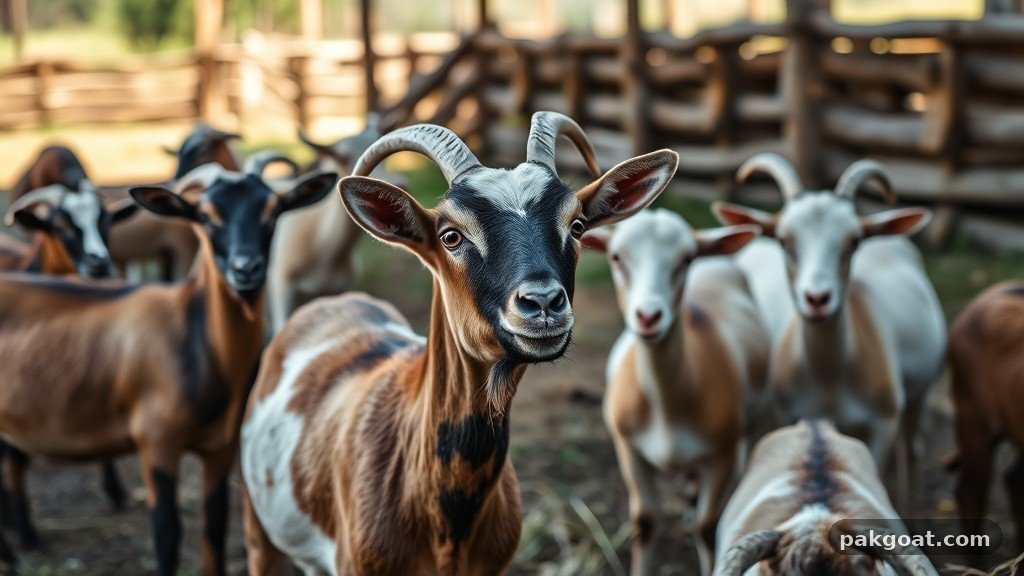
Starting a successful livestock venture requires careful planning, and understanding goat farming step by step is the most effective way to ensure your herd thrives. Whether you are aiming for milk production, meat sales, or land management, goats offer a versatile agricultural opportunity that is accessible to smallholders and commercial farmers alike.
By focusing on site preparation, breed selection, and consistent health management, you can build a sustainable operation. This overview provides the technical details and operational insights necessary to launch your project with confidence, helping you move from initial research to active management.
Initial Planning and Site Requirements
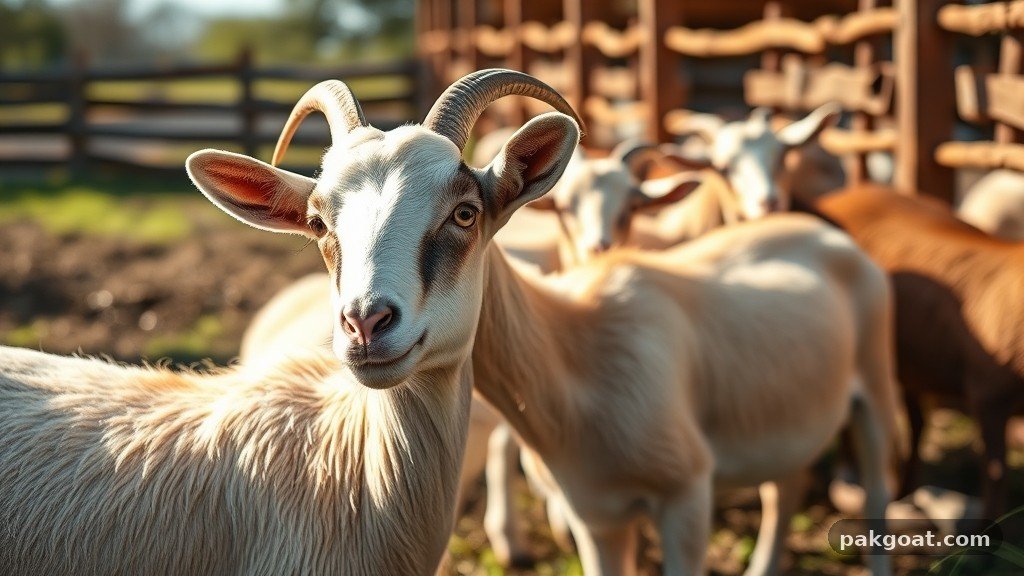
The financial foundation of your operation begins with accurate budgeting. A small-scale startup for a herd of 10 goats typically requires an initial investment ranging from $3,000 to $7,000, depending on your existing infrastructure.
This figure covers the purchase of healthy breeding stock, basic fencing, initial medical supplies, and high-quality feed for the first season. You must also account for recurring costs like veterinary services, which average about $50 to $100 per goat annually.
Land requirements depend heavily on your management style and local vegetation density. Generally, you need at least 0.5 to 1 acre of land per 10 goats if you are practicing rotational grazing or supplemental feeding.
If you rely entirely on pasture, you may need up to 2 to 3 acres to prevent overgrazing and soil erosion. Goats are browsers rather than grazers, meaning they prefer shrubs, woody plants, and weeds over flat grass.
Infrastructure is the next critical hurdle. You need a dry, well-ventilated shelter that protects the animals from wind, rain, and extreme cold. A simple three-sided structure is often sufficient in mild climates, but in regions with harsh winters, you need a fully enclosed barn.
Fencing must be robust, as goats are notorious for escaping through small gaps or jumping over low barriers. Woven wire fencing at least 48 inches high is the industry standard for keeping them secure.
Selecting the Right Breed
Choosing a breed is the most important decision for your long-term profitability. You should align your breed choice with your primary production goal, whether that is dairy, meat, or fiber.
For example, if you are focusing on milk production, the Alpine or Nubian breeds are widely recognized for their high output and rich milk fat content. Nubians, in particular, are known for their gentle temperament and ability to adapt to various climates.
Meat production requires a different focus, emphasizing growth rates and carcass quality. The Boer goat remains the gold standard in the meat industry due to its superior weight gain and muscular structure.
A Boer kid can reach market weight in as little as 6 to 8 months under optimal feeding conditions. You might also consider crossbreeding to combine the hardiness of a local landrace breed with the growth speed of a Boer.
Fiber production is a niche but profitable market. Angora goats produce mohair, a highly sought-after textile fiber that requires regular shearing. These animals are more delicate than meat or dairy breeds and require extra care during winter months. Always consult the eXtension Foundation for regional resources on which breeds perform best in your specific climate zone and soil type.
Nutrition and Feeding Strategies
Goats are ruminants with complex digestive systems that require high-quality forage. They thrive when they have access to a variety of plants, which provides a diverse nutrient profile.
In a managed system, you should provide hay during winter or when pasture quality drops. High-quality alfalfa or grass hay ensures they receive the necessary protein and fiber to maintain body condition.
Water is the most overlooked element of goat nutrition. A single mature goat can drink between 1 to 3 gallons of water per day, depending on the temperature and its lactation status.
Always provide clean, fresh water in troughs that are cleaned weekly to prevent bacterial buildup. Stagnant water is a primary vector for parasites and diseases that can quickly wipe out a herd.
Mineral supplementation is non-negotiable for goat health. Goats require a loose mineral mix specifically formulated for them, as sheep minerals often contain copper levels that are toxic to goats.
Provide these minerals free-choice in a weather-protected feeder. You will notice that your goats consume more minerals during the late winter and early spring when they are preparing for breeding or kidding seasons.
Herd Health and Disease Management
Preventing illness is always cheaper and easier than treating it. You must establish a relationship with a large-animal veterinarian who has experience with small ruminants.
Many common ailments, such as internal parasites, are managed through a strict deworming schedule and rotational grazing. By moving your goats to new, clean paddocks every 2 to 3 weeks, you break the life cycle of most common stomach worms.
Vaccination protocols vary by region, but most commercial operations prioritize the CD&T vaccine. This protects against Clostridium perfringens types C and D, as well as Tetanus.
You should administer these boosters annually, with pregnant does receiving a dose roughly 3 to 4 weeks before their expected kidding date. This ensures the kids receive passive immunity through the mother’s colostrum.
Foot rot is another common issue in wet or muddy environments. Regularly inspect hooves and trim them every 6 to 8 weeks to prevent bacterial accumulation and lameness.
If you notice a goat limping or holding a leg up, isolate it immediately and examine the hoof for heat, swelling, or a foul odor. Early intervention prevents these infections from spreading to the rest of the herd.
Market Analysis and Income Streams
Diversifying your income is a smart way to stabilize your farm’s cash flow. Many small farmers sell milk, cheese, and yogurt, while others focus on meat kids or breeding stock.
Some farmers even offer “goatscaping” services, where they rent their herd to homeowners or businesses to clear invasive weeds and brush from overgrown lots. This service is increasingly popular in urban and suburban areas.
To help you compare the potential revenue streams for your operation, consider the following data points based on typical small-scale farm outputs. Note that these figures are averages and can vary significantly based on your local market demand and marketing strategy.
| Source of Income | Revenue Potential | Management Difficulty |
|---|---|---|
| Meat Kids (per head) | $150 – $250 | Moderate |
| Raw Milk (per gallon) | $8 – $15 | High (requires licensing) |
| Breeding Stock | $300 – $800+ | High (requires pedigree) |
| Goatscaping Services | $200 – $500/acre | Moderate |
The key to profitability is identifying your local niche. If you live near an urban center, there is often a high demand for fresh, local goat cheese.
If you are in a more rural area, focusing on meat production or selling replacement does to other farmers may be more efficient. Conduct a local survey of farmers’ markets and livestock auctions to see what is currently in high demand.
Record Keeping and Administrative Tasks
Maintaining detailed records is the difference between a hobby and a profitable business. You should track every individual goat’s birth date, lineage, medical history, and weight gain.
This data allows you to identify your most productive does and your most efficient sires. Over time, this helps you selectively breed for traits that improve the overall quality of your herd.
Financial record-keeping is equally critical for tax purposes and business planning. Keep receipts for all feed, medicine, and equipment purchases.
Use a simple spreadsheet or dedicated agricultural software to track your monthly expenses against your revenue. By reviewing these numbers quarterly, you can spot trends, such as rising feed costs or the need for more efficient inventory management.
Compliance with local regulations is a necessary step in the process. Depending on your jurisdiction, you may need a permit for keeping livestock, especially if you live in a residential or semi-rural area.
If you plan to sell dairy products, you must meet strict state health department standards for milk handling and sanitation. Always check with your local agricultural extension office for a list of requirements in your specific county.
Essential Tools for Success
To keep your operations running smoothly, you need a specific set of tools on hand at all times. Investing in quality equipment early saves you from emergency trips to the hardware store during critical moments like kidding season. Below is a list of items every goat farmer should have ready before the first animals arrive.
- Hoof trimmers with ergonomic handles for routine maintenance.
- A digital hanging scale to monitor the weight of kids and growth rates.
- Heat lamps and kid warming boxes for cold-weather births.
- A dedicated medical kit containing antiseptic spray, thermometer, and electrolytes.
- Heavy-duty water troughs that are easy to clean and resistant to tipping.
- Electric fencing energizer and testers for perimeter security.
- Marking harness for bucks to track breeding dates.
These tools serve as the backbone of your daily routine. Proper maintenance of these items will extend their lifespan and ensure you aren’t left without critical gear when you need it most.
Keep your medical supplies in a cool, dry place and check expiration dates on vaccines and medications every six months. Being prepared is the hallmark of a professional approach to livestock management.
Frequently Asked Questions
How long does it take for 10 goats to clear one acre of brush?
The time required depends entirely on the density of the vegetation. Generally, a herd of 10 mature goats can clear a moderately overgrown acre of brush in approximately 2 to 4 weeks.
They will strip leaves and bark from woody plants, effectively killing them over time. However, you must monitor them to ensure they do not consume desirable plants or trees you wish to keep.
How many acres do you need to raise 100 goats?
For a herd of 100 goats, you generally need between 10 and 30 acres, depending on the quality of your pasture and your supplemental feeding program. If you are using intensive rotational grazing, you can manage them on less land, but you must be prepared to move them frequently. Overstocking on small acreage leads to rapid degradation of the soil and increased parasite pressure.
How many months does it take to grow a meat goat?
Most meat-breed goats, such as the Boer, are ready for market between 6 and 8 months of age. At this stage, they typically reach a weight of 60 to 90 pounds, which is the preferred size for most buyers. Providing high-quality creep feed to kids can accelerate their growth rate significantly compared to pasture-only diets.
How much does it cost to start a goat farm?
Estimates for a small-scale startup with 10 goats typically fall between $3,000 and $7,000. This includes the cost of the animals, fencing, basic shelter construction, and initial medical supplies. Ongoing annual operating costs, excluding labor, generally run about $500 to $1,000 for a small herd, depending on your access to cheap feed and your ability to perform routine health checks yourself.
Building Your Future in Agriculture
Successfully managing a herd is a rewarding journey that blends biology, business, and land stewardship. By following this approach to goat farming step by step, you position yourself to avoid common pitfalls while building a productive and healthy operation. Start small, focus on the health of your initial breeding stock, and prioritize the development of your grazing infrastructure.
As you gain experience, you will learn to read your herd’s behavior and adjust your management practices to suit your unique landscape. Consistency in your daily routine and attention to detail will serve as your greatest assets. Take the first step by securing your land and researching local breed availability today, and you will be well on your way to a thriving agricultural business.
