

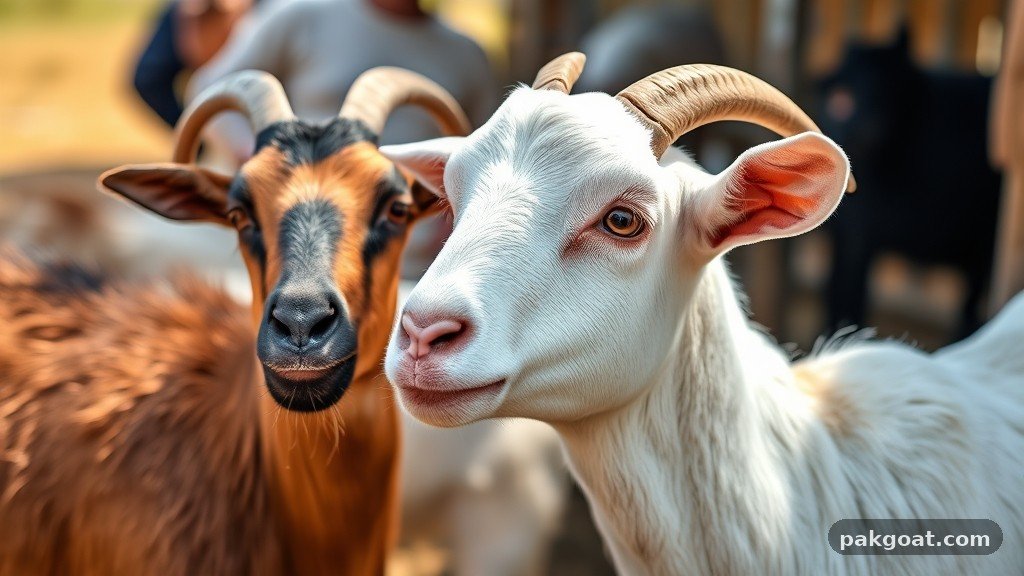
Understanding goat farming basics is the first step toward building a sustainable livestock operation, whether you are aiming for milk production, meat sales, or fiber harvesting. Success in this field relies on understanding the specific biological needs of caprines and managing land resources efficiently to ensure animal health and profitability.
To answer the most common question about scale: a producer can typically manage 10 to 15 meat goats per acre on well-managed pasture, though this number drops significantly if you rely solely on natural forage. For dairy goats, you should plan for one acre per 5 to 8 head to allow for adequate exercise and rotational grazing space. These figures assume you are supplementing with hay and grain, as goats are browsers rather than grazers and require a diverse diet of brush, weeds, and high-quality forage to thrive.
Selecting the Right Breed for Your Goals
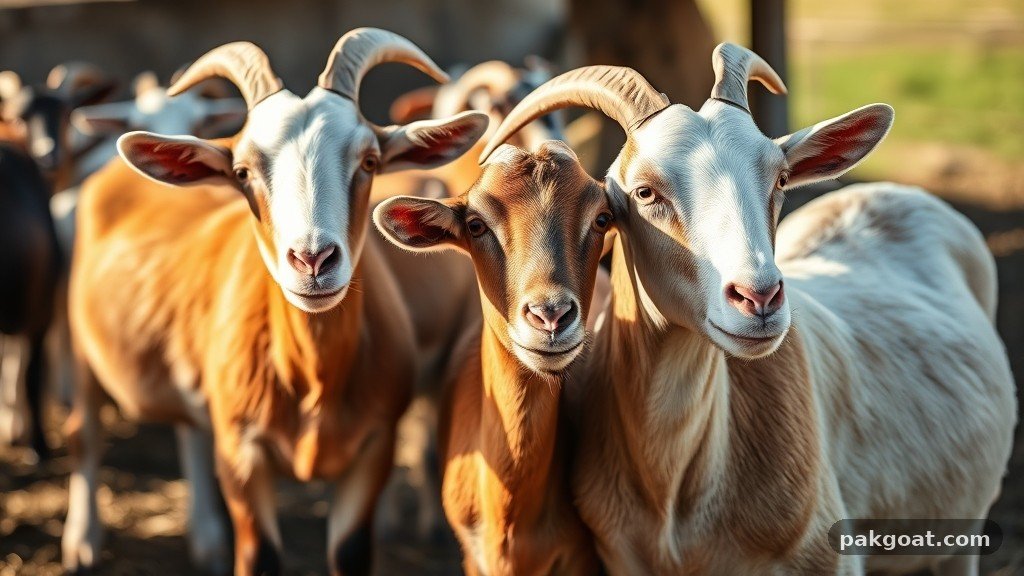
Selecting the correct breed is the most critical decision in goat farming basics. You must decide if your primary income will come from dairy, meat, or fiber production, as breeds are highly specialized. Dairy goats, such as Nubians or Alpines, require intensive management, twice-daily milking schedules, and high-protein nutrition to maintain peak lactation levels.
Meat breeds like Boer or Kiko goats are selected for their rapid growth rates and muscular structure. These breeds are generally hardier and more suited to outdoor, extensive management systems where they forage for their own sustenance.
Fiber breeds like Angora or Cashmere goats require specialized shearing schedules and a climate that supports their delicate coat health. You should never mix breed types without a clear plan, as their nutritional and housing requirements can be vastly different.
Infrastructure and Housing Essentials
Goats are notoriously sensitive to moisture and drafts, making high-quality shelter a non-negotiable requirement. A dry, well-ventilated barn or shed is necessary to prevent respiratory issues and hoof rot, which are common killers in poorly managed herds. You should ensure that your housing provides at least 12 to 15 square feet per animal in an indoor pen.
Fencing is arguably the most significant investment you will make in your facility. Goats are escape artists that test every weakness in a perimeter, so choose woven wire fencing at least 48 inches high.
Avoid barbed wire, as it can snag their coats and cause severe injury. Below is a breakdown of essential infrastructure costs for a startup operation.
| Asset Category | Typical Requirement | Maintenance Priority |
|---|---|---|
| Fencing | Woven wire or electric | High (Check weekly) |
| Shelter | Dry, draft-free barn | Medium (Seasonal) |
| Waterers | Clean, elevated troughs | High (Daily) |
| Feeders | Raised hay racks | Low (Monthly) |
Nutritional Management and Forage
Mastering the dietary needs of your herd is central to goat farming basics. Unlike sheep, which prefer short grasses, goats are browsers that instinctively seek out leaves, shrubs, and woody plants. You should provide a mineral supplement specifically formulated for goats, as they are highly susceptible to copper deficiencies in many regions.
Rotational grazing is the gold standard for maintaining a healthy pasture and controlling internal parasites. By moving your herd through different paddocks every 7 to 14 days, you break the life cycle of common stomach worms.
Always ensure access to clean, fresh water at all times, as dehydration is a leading cause of milk production drops and digestive distress in goats. For official resources on nutritional requirements, visit the eXtension Foundation for peer-reviewed livestock management data.
Health and Veterinary Care
A proactive health plan is mandatory because goats are prone to rapid declines when illness strikes. You must learn to identify the signs of “FAMACHA” scores, which help you monitor for barber pole worm infestations by checking the color of the goat’s lower eyelid. Keeping a close relationship with a large-animal veterinarian is vital, especially for administering vaccines for common threats like Clostridium perfringens and tetanus.
Hoof maintenance is another daily reality for a goat farmer. You should plan to trim hooves every 6 to 8 weeks to prevent foot scald and lameness.
Keeping a dedicated medicine cabinet with antiseptic sprays, thermometer, and electrolytes will save you during emergencies. Never wait for an animal to show obvious signs of illness; by the time a goat looks sick, it is often in a critical state.
Financial Viability and Market Channels
Is goat farming profitable? The answer depends entirely on your ability to reach high-value markets.
Selling live animals at a local sale barn often yields the lowest profit margins due to commission fees and market fluctuations. Direct-to-consumer sales for meat, or processing milk into value-added products like cheese or soap, offers significantly better returns.
* Direct-to-consumer meat sales: Higher margins but requires slaughter certification.
* Dairy products: Extremely high labor demand; requires a licensed creamery.
* Breeding stock sales: High value for registered, high-pedigree animals.
* Vegetation management: Renting your herd to clear invasive brush for landowners.
You should track every dollar spent on feed, vet bills, and infrastructure to determine your break-even point. Most successful small-scale farms reach profitability by diversifying their revenue streams rather than relying on a single product.
Record Keeping and Breeding Milestones
Success requires meticulous record-keeping regarding birth dates, medical treatments, and breeding performance. You should maintain a digital or physical log for every animal in your herd to track their lineage and production history. This allows you to cull unproductive animals, which is essential for long-term herd improvement.
Breeding season is usually triggered by shorter days in the fall, though some breeds can cycle year-round. A healthy doe can typically produce twins or triplets annually, significantly increasing your herd size in just a few seasons.
Monitor your gestation periods closely, which are usually around 150 days, to ensure you are ready for kidding season. Proper preparation for kidding includes having a clean, warm stall and basic delivery supplies on hand.
Common Challenges for Beginners
The most difficult aspect of raising goats is often the psychological toll of high mortality rates among kids. Predators such as coyotes, stray dogs, and bobcats are a constant threat that requires robust predator control measures. Guardians, such as Great Pyrenees dogs or donkeys, are common tools for protecting a herd in open pastures.
Another hurdle is the high learning curve associated with parasite management. Because many worms have developed resistance to common chemical dewormers, you must rely on management practices rather than just medication.
Accepting that you will lose animals despite your best efforts is part of the reality of agriculture. Focus on consistent, incremental improvements in your husbandry skills rather than seeking a perfect, trouble-free operation.
Frequently Asked Questions
How much space do goats need?
Goats need enough space to move and forage, but they also require dry shelter. Generally, plan for 12 to 15 square feet of barn space per goat and enough pasture to support rotational grazing, usually 1 acre for every 5 to 10 goats depending on the forage quality.
What is the hardest part of goat farming?
Managing internal parasites and predators are consistently cited as the biggest challenges. Goats are sensitive to stomach worms, and without a strict rotational grazing schedule, the parasite load in the soil can quickly overwhelm your herd.
Are goats difficult to keep contained?
Yes, goats are intelligent and agile climbers that will challenge any fence line. You must use high-tensile woven wire fencing and check it regularly for gaps or loose spots, as they will exploit any weakness to reach new browse.
Do I need a veterinarian for my goats?
Having a relationship with a large-animal vet is essential for emergency care and specialized medical advice. While you can perform basic tasks like hoof trimming and vaccinations yourself, you need professional support for complex births or unexplained illnesses.
Is it expensive to start a goat farm?
Initial setup costs can be high due to the need for quality fencing and secure housing. However, once the infrastructure is in place, the primary ongoing costs are feed, mineral supplements, and veterinary supplies, which can be managed effectively with a solid business plan.
Understanding goat farming basics is a journey of continuous learning and adaptation to the unique needs of your herd. By prioritizing strong fencing, consistent nutrition, and proactive health management, you create a stable foundation for your agricultural operation. Always keep your goals clear, whether you are focusing on milk, meat, or fiber, and do not hesitate to adjust your management style as you gain experience with your specific animals.
Success in this field comes to those who remain observant and patient throughout the seasons. Keep your records detailed, your fences tight, and your commitment to animal welfare at the forefront of your daily tasks as you continue to build your farm.
