

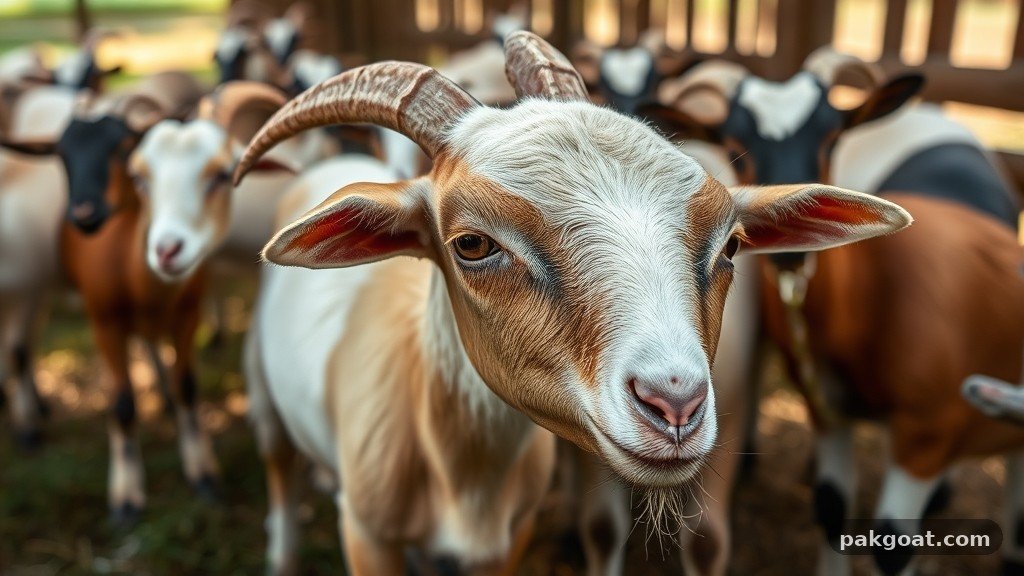
Understanding goat farming 101 is the essential first step for anyone looking to transition into small-scale livestock production. Whether you are aiming for milk production, meat yield, or land management, goats offer a unique set of challenges and rewards that require careful preparation. This article explores the foundational requirements for keeping a healthy, productive herd while ensuring you avoid common pitfalls.
You will learn about breed selection, housing, nutrition, and the economic realities of maintaining a sustainable operation. By focusing on these core principles, you can build a resilient foundation for your agricultural venture and ensure the long-term health of your animals.
Starting with the Basics
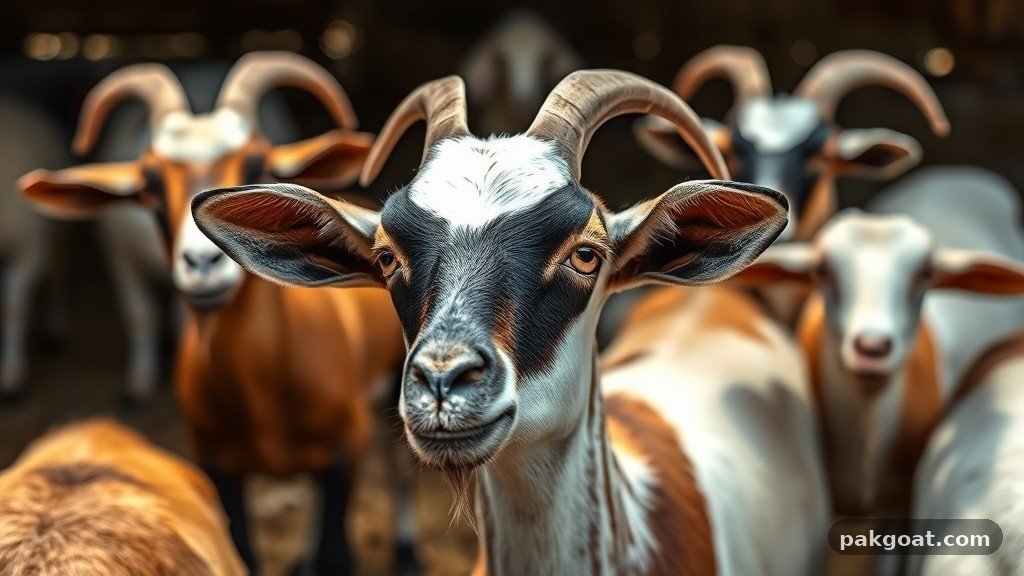
The most common question for beginners is how much space and capital are required to get started. You can comfortably house a small starter herd of three to five goats on as little as one-quarter to one-half acre of well-managed pasture.
Land requirements fluctuate based on forage quality and whether you intend to supplement their diet with hay or grain. A safe rule of thumb is that one acre of land can support between six and eight goats if the soil is fertile and you employ rotational grazing techniques.
Financial entry costs vary significantly based on your infrastructure needs and the breed you choose. A basic start-up budget often falls between $1,500 and $3,000, covering the purchase of healthy stock, initial fencing, and basic medical supplies.
If you are building a barn from scratch, expect to add several thousand dollars to that estimate for materials and labor. It is crucial to prioritize sturdy, predator-proof fencing, as this represents your single largest asset protection investment.
Choosing the Right Breed
Selecting a breed is a critical decision that should align with your specific end goals. Dairy goats, such as the Nubian or Alpine, are bred specifically for high milk yields and require a more intensive management schedule.
Meat goats like the Boer or Kiko are generally hardier and require less daily handling than their dairy counterparts. Some farmers prefer dual-purpose breeds like the Kinder, which offer a balance of milk production and meat quality.
Consider your local climate when evaluating breeds, as some animals struggle in extreme humidity or harsh winter conditions. A Nigerian Dwarf goat, for instance, is highly popular for small-scale operations due to its manageable size and high butterfat milk production.
Always source your initial stock from reputable breeders who can provide health records and parasite resistance profiles. Avoid buying goats from sale barns if you are a beginner, as these animals often carry unknown health issues that can quickly overwhelm a new farm.
Housing and Shelter Requirements
Goats are notoriously sensitive to moisture and drafts, making high-quality shelter a mandatory component of your farm design. Your barn or shed does not need to be expensive, but it must be dry, well-ventilated, and provide at least 12 to 15 square feet of floor space per goat.
Ventilation is more important than insulation; a stuffy, damp barn is a breeding ground for pneumonia and respiratory infections. Ensure the roof is watertight and the flooring is sloped to prevent water from pooling during heavy rains.
Fencing is the most significant infrastructure challenge you will face in your early days. Goats are intelligent, agile, and persistent when it comes to testing boundaries.
Woven wire fencing, often called “no-climb” fencing, is the gold standard for keeping goats contained and keeping predators like coyotes out. Use a minimum height of 48 inches and ensure the wire is pulled tight to prevent sagging over time.
| Feature | Standard Requirement |
|---|---|
| Floor Space (per adult) | 12–15 sq. ft. |
| Outdoor Exercise Area | 20–30 sq. ft. |
| Fencing Height | 48 inches minimum |
| Water Intake | 1–3 gallons daily |
Nutritional Needs and Forage
Contrary to the popular myth that goats eat everything, these animals are actually selective browsers. They prefer woody shrubs, weeds, and tall grasses over short, manicured lawn grass.
A balanced diet consists of high-quality hay, access to clean pasture, and a mineral supplement specifically formulated for goats. You can find detailed nutritional guidelines through the eXtension Foundation, which provides science-based resources for livestock owners.
Copper is an essential mineral for goat health, but it must be provided in the correct ratio to avoid toxicity. Always ensure your goats have access to a loose mineral mix rather than a salt block, as they struggle to get enough minerals from a solid block.
Fresh, clean water must be available at all times. A goat will significantly decrease its feed intake if its water supply is dirty or stagnant, which directly impacts milk production and overall body condition.
Health and Parasite Management
Parasite control is arguably the most demanding aspect of maintaining a healthy herd. Internal parasites, particularly the barber pole worm, can cause rapid weight loss, anemia, and even death if left unchecked.
Implementing a FAMACHA scoring system allows you to check the color of a goat’s eyelid membranes to determine their anemia level. This helps you target deworming efforts only to the animals that truly need it, preventing the development of drug-resistant parasite strains.
Vaccination schedules are another pillar of your herd’s health program. Most owners follow a standard CD&T vaccination protocol, which protects against Clostridium perfringens types C and D, as well as tetanus.
Kids typically receive their first dose at four weeks of age, followed by a booster four weeks later. Keeping a precise health record for every individual animal is essential for tracking breeding cycles, medical treatments, and growth rates.
Understanding the Economics
Profitability in small-scale goat farming depends on identifying your target market early. Milk production requires a significant time commitment, including daily milking and the processing of dairy products into cheese or yogurt.
Meat production, by contrast, is often seasonal and involves managing the growth rates of kids until they reach market weight. Many farmers diversify their income by selling breeding stock, manure for fertilizer, or even hosting “goat yoga” sessions.
* Direct sale of raw or pasteurized goat milk to local consumers.
* Production of artisan goat cheese, soap, and skincare products.
* Sale of kids for meat or breeding stock at agricultural auctions.
* Providing vegetation management services for local landowners.
* Selling high-quality composted manure to local gardening enthusiasts.
Marketing your products requires local networking and a strong understanding of state-level regulations. In some regions, selling raw milk is strictly prohibited, while in others, it is a highly regulated niche market.
Research your local agricultural department’s guidelines before you commit to a business model. Understanding these legal frameworks is just as important as knowing how to feed and house your animals.
Daily Herd Maintenance
Consistency is the secret to a successful operation. A daily routine should include checking every animal for signs of illness, such as lethargy, off-feed behavior, or abnormal stools.
Spend time observing your herd; a healthy goat is curious, active, and maintains a shiny, clean coat. Because goats are herd animals, they thrive on social interaction and look to the lead goat for guidance during grazing.
Hoof trimming is a monthly chore that prevents lameness and keeps the animals comfortable. You will need a pair of sharp hoof shears and a stand to elevate the animal, making the process safer for both you and the goat.
Grooming and regular handling also make medical procedures much easier to perform. If your goats are accustomed to being touched and led on a halter, you will save yourself significant stress during vet visits or emergencies.
Frequently Asked Questions
Do I need a buck to keep a dairy herd?
You do not need to own a buck to maintain a dairy herd. Many small-scale farmers choose to use artificial insemination or pay a stud fee to borrow a buck from a neighbor. Keeping a buck on the farm requires separate fencing and can be difficult due to their strong odor and assertive behavior.
How do I know if a goat is sick?
Look for changes in behavior, such as standing apart from the herd, grinding teeth, or a dull coat. Check their temperature, which should be between 101.5°F and 103.5°F. If a goat stops eating or chewing its cud, treat it as an emergency and contact a veterinarian immediately.
What is the biggest challenge for beginners?
Managing internal parasites is consistently cited as the hardest part of goat farming 101. Because goats graze close to the ground, they are highly susceptible to worm eggs in the pasture. Effective pasture rotation is the best way to mitigate this risk without relying exclusively on chemical dewormers.
How much does a goat eat?
An average-sized dairy goat will consume about 3 to 4 pounds of dry hay per day, plus supplemental grain if they are in milk. They also need constant access to clean water and a specialized goat mineral supplement. The exact amount depends on their age, breed, and current stage of lactation.
Are goats compatible with other livestock?
Goats can live with sheep, but you must be careful with their mineral requirements, as copper is toxic to sheep. They can also coexist with horses or cattle, provided there is enough space to prevent bullying. Always monitor new introductions closely to ensure the animals establish a healthy social hierarchy.
Mastering goat farming 101 requires patience, attention to detail, and a genuine interest in animal husbandry. You will find that the learning curve is steep at first, but the rewards of raising healthy livestock are substantial. Start small, focus on building sturdy infrastructure, and prioritize the health of your herd above all else.
As you gain confidence, you can expand your operation and explore new revenue streams that align with your specific goals. Remember that every successful farmer began exactly where you are today, asking the right questions and preparing for the realities of the land. Take your time, stay consistent with your management practices, and enjoy the process of building your sustainable farm.
