

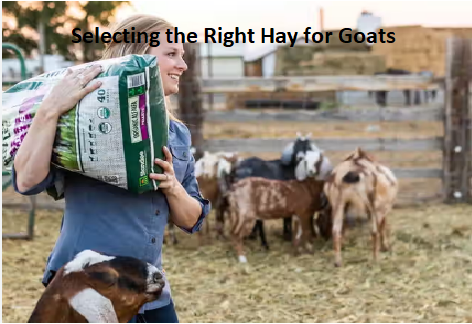
Selecting the right hay for goats is the most critical decision a producer makes regarding animal health and long-term farm profitability. Because goats are ruminants with complex digestive systems, they require high-quality forage to maintain rumen function, support lactation, and ensure consistent weight gain. Providing the wrong type of fiber can lead to severe metabolic issues, while poor-quality bales often result in massive waste as animals pick through the stems.
Understanding the nutritional profiles of different grasses and legumes allows you to balance a herd’s diet effectively. This guide helps you identify the ideal forage to keep your livestock thriving throughout the year.
Nutritional Requirements and Daily Intake
Goats generally require between 2% and 4% of their body weight in dry matter intake each day to maintain optimal health. For a standard 150-pound dairy doe, this translates to roughly 3 to 6 pounds of hay daily when fresh pasture is unavailable.
You must balance this intake based on the animal’s life stage, such as pregnancy, lactation, or maintenance. Young, growing kids require higher protein levels, while dry does can thrive on lower-quality forage.
Energy density is the primary factor that dictates how much hay a goat will consume. If the hay is low in digestible energy, the goat will physically be unable to consume enough volume to meet its metabolic needs.
This leads to rapid weight loss and reduced milk production in dairy breeds. You should always look for forage that is soft to the touch, as coarse, stemmy stalks are often rejected by goats.
The Best Forage Varieties for Goats
Alfalfa is widely considered the gold standard for high-production dairy goats due to its superior protein and calcium content. It provides the necessary nutrients for heavy milkers, though it can be expensive and may lead to urinary calculi in wethers if not managed correctly. Many producers choose to mix alfalfa with orchard grass to get a balance of protein and structural fiber.
Timothy hay is an excellent alternative that is highly palatable and consistently available in many regions. It offers a moderate protein level that is perfect for maintenance diets and growing yearlings.
While it lacks the high-octane energy of alfalfa, it is much easier on the digestive tract and poses fewer risks for male goats. Below is a comparison of common forage types used in goat production.
| Hay Type | Protein Content | Best Use Case |
|---|---|---|
| Alfalfa | 15% – 20% | Lactating does, young kids |
| Timothy | 8% – 12% | Maintenance, dry does |
| Orchard Grass | 10% – 14% | General herd, mixed rations |
| Bermuda | 9% – 13% | Warm-climate maintenance |
Identifying Quality and Avoiding Mold
Visual and olfactory inspections are your best tools when purchasing hay for goats. High-quality bales should appear green, leafy, and free of dust or significant weed contamination.
If you notice a musty or fermented smell, the hay is likely moldy and should never be fed to your herd. Moldy forage can cause respiratory issues or, more dangerously, listeriosis, which is often fatal in goats.
You should also look for the “leaf-to-stem” ratio, as goats prefer the leaves. A high-quality bale will hold its shape but feel soft rather than brittle.
Avoid bales that appear bleached by the sun, as UV exposure destroys vital vitamins, particularly Vitamin A. For more information on identifying high-quality forage, you can visit the Penn State Extension website for details on laboratory testing.
Storage Practices to Prevent Spoilage
Proper storage is just as important as the quality of the hay you purchase. Hay must be kept in a dry, well-ventilated area to prevent moisture buildup and combustion.
Even small amounts of humidity can lead to mold growth that renders an entire stack unusable. Never store hay directly on a concrete floor, as the temperature differential causes condensation to collect at the base of the stack.
Use wooden pallets to raise the bales at least four inches off the ground. This allows air to circulate underneath the stack and prevents the bottom layer from rotting.
If you store hay outdoors, it must be protected by a heavy-duty, waterproof tarp or kept inside a shed with a leak-proof roof. Ensure that your storage area is also clear of rodents, as their droppings can contaminate the feed.
Managing Waste and Feeder Design
Goats are notoriously picky eaters and will trample perfectly good hay if it is placed directly on the ground. A well-designed hay feeder is essential to reduce waste by as much as 30% to 50%.
The feeder should be elevated so the goats have to pull the hay out rather than standing on top of it. Ensure the spacing between bars is narrow enough to prevent kids from getting their heads stuck.
Many farmers prefer wall-mounted feeders that allow the goats to stand comfortably while eating. This design keeps the hay clean and prevents the animals from urinating or defecating in their feed source.
If you are feeding a large herd, consider using a round-bale feeder that is specifically designed for small ruminants. These units often feature a solid skirt at the bottom to catch loose leaves and smaller particles.
The Risks of Overfeeding and Obesity
While it is tempting to provide unlimited hay, overfeeding can lead to obesity and metabolic complications. Goats that have constant access to high-protein alfalfa may develop health issues, including bloat or urinary tract obstructions. It is better to feed in controlled portions twice a day to ensure the animals are cleaning up what they are given.
Always monitor the body condition score of your goats to determine if their diet is appropriate. A goat that is too heavy will struggle with kidding and may have reduced fertility rates.
Conversely, a thin goat may be suffering from a parasite load that prevents it from absorbing nutrients effectively. If your goats are thin despite having plenty of hay, you should consult a veterinarian to check for internal parasites.
Legumes Versus Grasses
Legumes like alfalfa and clover provide high levels of protein and minerals that are essential for growth. However, they can be too “rich” for animals that are not in a high-production phase of life.
Grasses like orchard grass or brome are more forgiving and provide the necessary long-fiber structure for proper rumination. A rotation or a blend is often the most effective way to maintain herd health.
Consider the mineral content when choosing between these two categories. Alfalfa is very high in calcium, which must be balanced with phosphorus to prevent metabolic imbalances.
If you choose a legume-heavy diet, you must ensure your mineral supplement contains the correct ratio of phosphorus to compensate for the calcium intake. This balance is critical for the long-term skeletal health of your goats.
Seasonal Adjustments in Feeding
Your approach to feeding must change as the seasons shift and the nutritional value of your pasture fluctuates. During the spring, when fresh, lush grass is available, goats consume less hay.
As summer progresses and pastures dry out or go dormant, you will need to increase the volume of hay provided to maintain their weight. This transition should be gradual to avoid upsetting the delicate balance of the rumen.
Winter feeding requires higher energy inputs, as the goats burn more calories just to stay warm. You may need to supplement the hay with small amounts of grain or high-quality alfalfa pellets during extreme cold snaps.
Always keep a fresh, clean water supply available, as intake of dry hay is directly linked to water consumption. Dehydration in winter is a common cause of impaction colic in goats.
Frequently Asked Questions
Which type of hay is best for goats?
The best hay for most goats is a high-quality orchard grass or a mix of grass and alfalfa. Alfalfa is excellent for lactating does, while grass hay serves as a safe and reliable staple for the rest of the herd.
Can goats live on just hay?
Goats can survive on high-quality hay, but they require supplemental minerals and constant access to clean water to thrive. If the hay is of poor quality, they will need grain or protein supplements to maintain their body weight and health.
What hay to avoid for goats?
Avoid any hay that is dusty, moldy, or contains excessive weeds and foreign materials. You should also be cautious with hay that is extremely coarse or stemmy, as goats will waste most of it and fail to gain the necessary nutrients.
Can goats eat too much hay?
While it is difficult for a goat to overeat forage in a way that causes immediate harm, constant access to very high-protein hay can lead to obesity and metabolic strain. It is generally better to feed in controlled amounts to monitor intake and reduce waste.
Should I test my hay before buying?
Testing is not strictly required for small hobby herds, but it is highly recommended for commercial producers. A forage analysis provides a clear picture of protein, fiber, and mineral content, allowing you to tailor your supplement program precisely.
Conclusion
Providing the right hay for goats is an investment in the productivity and longevity of your herd. By prioritizing soft, leafy forage and maintaining clean feeding areas, you minimize waste and ensure your animals receive the nutrition they need to thrive. Remember that diet quality should always be adjusted based on the specific life stage and weather conditions of your region.
Whether you opt for alfalfa, orchard grass, or a balanced blend, consistent monitoring of your goats’ body condition will tell you if your current strategy is working. Take the time to source high-quality bales and store them properly, and your goats will reward you with better health and higher performance year after year.
