

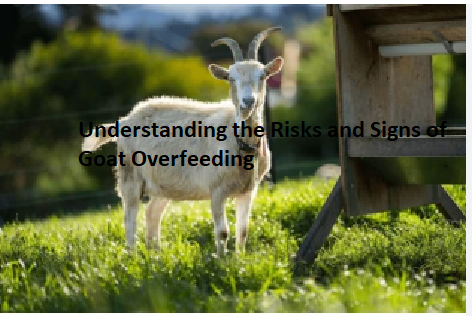
Managing goat overfeeding requires a keen eye for nutritional balance and animal behavior, as these animals often lack the self-regulation common in other livestock. When goats consume excessive amounts of energy-dense grains or lush forage, they face severe health risks that can escalate from mild discomfort to life-threatening metabolic conditions.
Understanding exactly how much grain or rich feed your herd can safely handle is the first step in preventing these issues. By monitoring body condition scores and strictly controlling caloric intake, owners can avoid the most dangerous outcomes of dietary mismanagement.
The most common and immediate danger associated with goat overfeeding is enterotoxemia, often called “overeating disease.” This condition occurs when Clostridium perfringens bacteria, which naturally inhabit the digestive tract, multiply rapidly due to an influx of undigested starch or sugar. The bacteria produce a potent toxin that can kill a goat within hours, often without prior warning signs. If your goat has consumed a massive amount of grain, the mortality rate is high without immediate veterinary intervention. Treatment typically involves administering antitoxins and probiotics, but the focus must remain on strict prevention through controlled feeding schedules.
Recognizing the Physical Indicators of Excess
Goats are naturally browsers that thrive on diverse, fibrous vegetation, not high-calorie concentrates. When they consume too much, their body condition score (BCS) will begin to climb beyond the healthy range of 2.5 to 3.5.
You can assess this by feeling the ribs, spine, and sternum; if you cannot easily feel the ribs under a layer of flesh, the animal is likely carrying too much weight. Obesity in goats is not merely an aesthetic concern, as it predisposes them to joint stress, respiratory issues, and reproductive failure.
Visual signs of overfeeding often manifest as a lethargic demeanor or a distended abdomen. While a goat’s rumen is naturally large, a tight, painful-looking belly that does not recede after a few hours of rest is a red flag.
You might also observe the goat standing in a “sawhorse” stance, which is a common indicator of abdominal pain or internal distress. If you notice these physical changes, you must immediately restrict access to all grain and high-quality legumes until a professional can evaluate the animal’s rumen health.
The Biological Impact of High-Energy Diets
The ruminant digestive system is designed for high-fiber, low-sugar intake. When you introduce excessive grains—such as corn, barley, or oats—you disrupt the delicate pH balance of the rumen.
This environment usually maintains a neutral pH, but rapid fermentation of starch creates lactic acid. If the rumen becomes too acidic, a condition known as acidosis develops, which destroys the beneficial bacteria required for digestion.
This shift in microflora can lead to long-term digestive damage even if the animal survives the initial incident. The rumen wall may become inflamed or ulcerated, making the goat more susceptible to future infections or chronic malnutrition.
Furthermore, the excess energy is stored as fat, which can infiltrate internal organs like the liver. Fatty liver disease in goats is a serious, often irreversible complication that stems directly from prolonged overfeeding and poor metabolic management.
Comparing Feed Sources and Risk Levels
Not all food items carry the same risk profile for a ruminant. While hay is generally safe, concentrated feeds and certain types of lush pasture can quickly push a goat into the danger zone. Understanding the nutritional density of your feed is essential for daily management.
| Feed Type | Risk Level | Primary Concern |
|---|---|---|
| Grass Hay | Low | Low energy density, safe for free-feeding. |
| Alfalfa Hay | Moderate | High protein/calcium; can cause bloat if excessive. |
| Grain Mixes | High | Starch fermentation leads to acidosis. |
| Lush Spring Clover | High | Rapid fermentation causes dangerous gas buildup. |
Strategies for Effective Portion Control
Implementing a strict feeding protocol is the most effective way to prevent the consequences of overfeeding. You should measure all grain rations by weight rather than volume, as the density of different feed mixes varies significantly.
A common rule of thumb is to limit concentrates to no more than 0.5 to 1 pound per 100 pounds of body weight, depending on the stage of lactation or growth. Always provide access to high-quality forage to ensure the rumen remains active and healthy.
Free-choice feeding of grain is almost always a mistake unless you are dealing with very specific high-production dairy needs under expert guidance. Instead, offer meals at set times throughout the day to keep the rumen environment stable.
If you are transitioning a herd to a new type of feed, do so over the course of two weeks. This gradual change allows the microbial population in the rumen to adapt to the new chemical composition without crashing.
Managing Pasture Access and Grazing Habits
Pasture management is frequently overlooked, yet it remains a primary cause of accidental overfeeding. Lush, early-spring grass is incredibly high in non-structural carbohydrates, which can trigger the same issues as grain consumption.
If your goats have been on dry hay all winter, putting them onto a field of thick clover will almost certainly result in digestive distress. Use strip grazing or temporary fencing to limit the amount of fresh forage they can access at once.
* Limit initial grazing time to 30 minutes, gradually increasing over two weeks.
* Keep goats off pastures that have been recently fertilized with high-nitrogen products.
* Provide a dry hay supplement before letting them out to graze, as this fills their rumen with fiber first.
* Check pastures for toxic weeds that might grow alongside desirable forage.
* Rotate fields regularly to prevent overgrazing and the ingestion of parasite-heavy soil.
The Role of Minerals and Supplements
Many owners mistakenly believe that adding extra supplements will improve their goat’s health, but this can cause mineral imbalances. Excess calcium, for example, can interfere with the absorption of other vital nutrients, leading to conditions like urinary calculi in bucks.
Always use a loose, mineral mix formulated specifically for goats rather than sheep or cattle. Sheep minerals often lack the copper that goats require for proper growth and health.
You should consult the resources provided by the eXtension Foundation regarding specific mineral requirements for your local area. Soil quality varies wildly, and your local extension office can provide data on what minerals are typically missing in your region.
Avoid “shotgun” supplementation, where you add multiple vitamins and minerals without knowing if your herd actually needs them. Over-supplementation is a form of overfeeding that puts unnecessary strain on the liver and kidneys.
Recognizing and Treating Acute Emergencies
If you suspect your animal is suffering from the effects of severe overfeeding, time is of the essence. Acute cases often involve bloat, where the rumen becomes filled with trapped gas, or severe diarrhea caused by bacterial toxins.
You should keep a basic emergency kit on hand that includes electrolytes, a drenching syringe, and appropriate medications as recommended by your veterinarian. Do not attempt to force-feed a sick goat, as this can lead to aspiration pneumonia.
If the goat is bloated, you may need to use a stomach tube to release the trapped gas, but this should only be performed by someone trained in the procedure. A common home remedy for mild gas involves vegetable oil or mineral oil, which helps break down the foam in the rumen.
However, never rely on home treatments for severe cases. If the animal is staggering, grinding its teeth, or showing signs of neurological distress, call a professional immediately.
Frequently Asked Questions
How do I know if my goat is too fat?
You can determine this by checking the body condition score. Feel for the spine and ribs; if you have to press firmly to find the bones under a layer of fat, your goat is likely overweight. A healthy goat should have a firm but lean feel along the back and ribs.
Will goats stop eating when they are full?
No, goats are opportunistic browsers and will often continue to eat high-energy foods even when they are physically full. This lack of a “stop” mechanism is exactly why owners must strictly control grain rations. Relying on a goat to self-regulate its intake of grains will eventually lead to health issues.
What is the best way to treat mild overeating?
For mild cases, remove all grain and rich feed immediately and provide only high-quality grass hay and fresh water. Monitor the animal closely for signs of bloating or lethargy. If the goat does not improve within a few hours, contact your veterinarian to discuss potential probiotic or charcoal treatments.
Is it possible to overfeed a baby goat?
Yes, especially with milk or milk replacer. Overfeeding a kid can lead to scours, a severe form of diarrhea that can cause rapid dehydration and death. Follow the feeding guidelines on your milk replacer packaging exactly, and never increase the volume just because the kid seems hungry.
Why does grain cause such severe problems in goats?
Grain is high in starch and sugar, which ferments rapidly in the rumen. This process produces large amounts of lactic acid, which lowers the rumen pH and creates an environment where harmful bacteria thrive. This disruption of the natural balance causes the severe health emergencies associated with goat overfeeding.
Summary and Long-Term Herd Health
Maintaining a healthy herd requires vigilance and a firm commitment to proper nutritional management. By understanding the specific risks associated with goat overfeeding, you can structure your feeding program to support long-term vitality rather than short-term weight gain. Focus on providing high-quality fiber, strictly rationing grain, and monitoring body condition scores throughout the year.
These practices will prevent the most common digestive crises and ensure your animals remain productive. Always keep a close relationship with a local veterinarian who understands ruminant health to handle emergencies as they arise. Your attention to these details will result in a more resilient and healthy herd, allowing you to enjoy your animals without the constant fear of preventable dietary disasters.
