

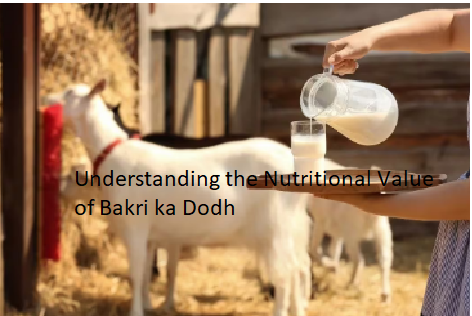
Incorporating bakri ka dodh into your daily diet offers a unique range of health benefits that distinguish it from the more commonly consumed cow milk. Many health enthusiasts and nutritionists highlight its superior digestibility and specific micronutrient profile as primary reasons for its rising popularity.
Whether you are looking to improve your digestive comfort or seeking a nutrient-dense alternative for your family, understanding the science behind this dairy product is essential. This article breaks down the nutritional composition, health advantages, and practical considerations of consuming goat milk in a modern, balanced diet.
Nutritional Composition of Goat Milk
The nutritional profile of bakri ka dodh is often compared to cow milk, yet it possesses distinct structural differences. It contains approximately 3.5% to 4.5% fat, depending on the breed of the goat and its diet. A significant portion of this fat consists of medium-chain fatty acids, which the body absorbs more efficiently than the long-chain fats found in cow milk.
When you examine the protein structure, you will find that goat milk contains smaller fat globules and a different type of casein protein. Specifically, it has lower levels of alpha-s1-casein, which is often the primary trigger for dairy-related inflammation in sensitive individuals. This structural difference makes the curd formed in the stomach much softer and easier to digest for many people.
Beyond protein and fat, this milk is a potent source of essential vitamins and minerals. It is particularly rich in calcium, phosphorus, and vitamin A. While it is not a direct substitute for breastmilk, its physiological proximity in terms of protein structure makes it a common choice for those transitioning away from standard bovine dairy.
Digestibility and Gut Health
One of the most frequently cited benefits of consuming bakri ka dodh is its gentle impact on the digestive system. Because the fat globules are smaller, they present a larger surface area for digestive enzymes to work upon. This leads to a faster breakdown of lipids in the small intestine.
Many individuals who experience bloating, gas, or general discomfort after drinking cow milk report relief when switching to goat milk. The reduced lactose content, while not absent, is often better tolerated by those with mild lactose sensitivities. This is partly due to the faster transit time through the gastrointestinal tract, which minimizes the opportunity for fermentation in the gut.
Furthermore, the presence of prebiotic oligosaccharides in goat milk supports a healthy gut microbiome. These compounds act as food for beneficial bacteria, potentially strengthening the immune response within the digestive lining. For those struggling with chronic digestive sluggishness, this natural aid can be a significant dietary adjustment.
Comparison with Other Dairy Options
To understand where goat milk stands in the market, it helps to look at the data side-by-side. The following table illustrates the typical nutrient density per 100ml for various common dairy sources.
| Nutrient | Goat Milk | Cow Milk | Buffalo Milk |
|---|---|---|---|
| Protein (g) | 3.6 | 3.2 | 4.3 |
| Fat (g) | 4.1 | 3.7 | 7.4 |
| Calcium (mg) | 134 | 120 | 195 |
| Vitamin A (IU) | 185 | 150 | 170 |
As shown in the data, goat milk occupies a middle ground that balances protein content with moderate fat levels. While buffalo milk provides higher calcium, it also contains significantly more fat, which may not be ideal for all dietary goals. Goat milk offers a higher vitamin A concentration, which is critical for maintaining healthy skin and vision.
Impact on Bone Health and Mineral Absorption
The calcium content in bakri ka dodh is not just about the total milligram count; it is about how effectively the body utilizes that calcium. Research indicates that the mineral bioavailability in goat milk is often superior to other dairy sources. This is vital for maintaining bone density, especially as individuals age and become more susceptible to osteoporosis.
In addition to calcium, the milk provides significant amounts of magnesium and potassium. These minerals work in tandem to support cardiovascular health and proper muscle function. Regular intake can help maintain healthy blood pressure levels, provided it is part of a balanced, low-sodium diet.
The absorption of iron and copper is also reportedly higher when goat milk is consumed regularly. This makes it an interesting option for individuals who may be slightly anemic or looking to boost their mineral stores through natural food sources. You can find more detailed information on mineral requirements at the official nutrition guidance portal.
Considerations for Skin and Immune Support
Many traditional wellness practices advocate for the topical and internal use of bakri ka dodh for skin health. The presence of lactic acid, a natural alpha-hydroxy acid, helps in gently exfoliating dead skin cells and promoting a smoother complexion. When consumed, the vitamin A content also plays a role in skin repair and regeneration.
The immune-boosting potential of this milk is linked to its unique fatty acid profile. Compounds like caprylic and capric acid possess natural antimicrobial and antifungal properties. These properties may help the body manage minor infections and support the immune system during seasonal transitions.
It is important to note that while these properties are beneficial, they should not replace medical treatment for specific skin conditions. However, adding nutrient-dense foods to your routine is a foundational step in holistic health. Consistent consumption is key to observing any potential benefits in skin clarity or immune resilience.
Safety and Preparation Methods
While the benefits are numerous, the safety of consuming raw bakri ka dodh is a critical topic. Raw milk carries a risk of bacterial contamination, including pathogens like Salmonella or E. coli. It is highly recommended to pasteurize the milk before consumption to ensure it is free from harmful microorganisms.
Pasteurization involves heating the milk to a specific temperature for a set duration, which effectively kills pathogens without destroying all the nutritional value. If you source your milk directly from a farm, verify their hygiene standards and testing protocols. Home pasteurization is straightforward: heat the milk to 72°C (161°F) for 15 seconds and cool it immediately.
Storage is another factor that influences quality and safety. Always keep the milk refrigerated at or below 4°C (40°F) to slow bacterial growth. Use glass containers where possible, as they are easier to sanitize and do not leach chemicals into the milk over time.
Common Culinary Uses
The distinct flavor profile of bakri ka dodh—often described as earthy or slightly musky—makes it a versatile ingredient in the kitchen. It is an excellent base for various dairy products, which can help mask the intensity for those unaccustomed to the taste.
* Yogurt (Dahi): The texture of goat milk yogurt is often thinner than cow milk yogurt, but it is incredibly tangy and probiotic-rich.
* Cheese: Goat cheese (chèvre) is world-renowned for its creamy texture and sharp, sophisticated flavor profile.
* Kheer and Desserts: The higher fat content adds a luxurious mouthfeel to traditional South Asian desserts like kheer.
* Smoothies: Its rapid digestibility makes it a perfect protein-rich addition to post-workout smoothies.
* Fermented Drinks: It can be used to make kefir, which further enhances its probiotic benefits.
Experimenting with these forms can help you integrate the milk into your diet without finding the flavor overwhelming. Start by mixing it with other ingredients or using it in cooked dishes to adjust your palate.
Frequently Asked Questions
Is bakri ka dodh safe for children?
Yes, it is generally safe for children, but it should not be used as a primary substitute for breastmilk or infant formula for children under one year of age. Always consult a pediatrician before introducing it to an infant’s diet to ensure their specific nutritional needs are met.
Can this milk help with fatty liver issues?
Some studies suggest that the medium-chain triglycerides in goat milk may be easier for the liver to process than long-chain fats found in other dairy. However, it is not a cure for fatty liver disease, and any dietary changes should be managed under the supervision of a healthcare professional.
Does it taste different from cow milk?
Yes, it has a distinctively richer and slightly more pungent flavor compared to cow milk. The taste is influenced by the goat’s diet, the breed, and how quickly the milk is cooled after milking.
Are there any side effects to consuming it?
For most people, there are no side effects other than potential dairy-related symptoms for those with severe allergies. However, consuming unpasteurized milk can lead to foodborne illness, which is why proper heating is always necessary.
How long does fresh goat milk stay good in the fridge?
When kept at a constant temperature of 4°C or lower, fresh, pasteurized goat milk typically remains good for 5 to 7 days. Always check for signs of spoilage, such as an off-odor or changes in texture, before consuming.
Conclusion
Integrating bakri ka dodh into your lifestyle offers a scientifically backed way to enhance your nutritional intake, particularly regarding mineral bioavailability and digestive ease. Its unique protein structure and beneficial fatty acids make it a superior choice for many, provided that you prioritize proper sourcing and pasteurization. Whether you are looking for a gentle alternative to standard dairy or a nutrient-dense addition to your current diet, this milk provides a clear advantage.
By understanding the specific benefits and safety protocols, you can confidently make it a part of your daily health regimen. Start by incorporating small amounts into your meals and observe how your body responds to the change.
