

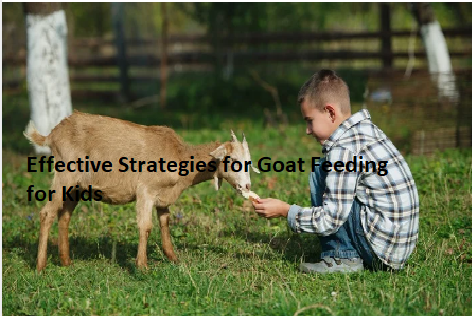
Proper goat feeding for kids is the cornerstone of raising healthy, productive animals that grow into resilient adults. When you manage the nutrition of your young caprine herd correctly, you significantly reduce the risk of common developmental issues like scours, stunted growth, or weakened immune systems. This process requires a careful balance of high-quality colostrum, specialized milk replacers, and a gradual transition to solid forage and grains.
By focusing on specific nutritional milestones and maintaining a consistent schedule, you ensure your kids receive the necessary minerals and proteins for rapid development. Mastering these feeding techniques helps you build a strong foundation for the long-term health of your entire farm operation.
The Critical Importance of Colostrum
The first hours of a kid’s life are defined by the intake of colostrum, the nutrient-dense “first milk” produced by the dam. This substance is absolutely essential because it provides the passive immunity necessary to protect the newborn from environmental pathogens. Without immediate access to high-quality colostrum, a kid’s chance of survival drops precipitously due to its underdeveloped immune system.
You should aim for the kid to consume at least 10% of its body weight in colostrum within the first 24 hours. Ideally, the first feeding occurs within the first two hours of birth to maximize the absorption of antibodies through the intestinal wall. If the dam is unable to nurse, you must provide fresh or thawed frozen colostrum via a bottle or a dedicated esophageal tube.
Do not substitute cow colostrum unless absolutely necessary, as it lacks the specific antibodies required by goats. If you have no choice, ensure the cow colostrum is supplemented with additional electrolytes or specific goat-related boosters to bridge the gap. Monitoring the kid’s vigor during these first sessions is a vital part of successful goat feeding for kids.
Establishing a Bottle Feeding Schedule
When you choose to hand-rear kids, you gain total control over their intake, which prevents issues like overfeeding or bloat. A standard bottle feeding schedule relies on frequency rather than volume in the very early stages. Most experts recommend feeding kids four times daily during the first week to keep their small digestive tracts functioning smoothly.
As the kid grows, you can gradually reduce the frequency to three times a day by the second week and eventually twice a day by the fourth week. The total volume per day should generally hover around 15% to 20% of the kid’s body weight by the time they are three weeks old. Always ensure the milk replacer is mixed according to the manufacturer’s specific instructions to avoid diarrhea.
Using a consistent routine helps the animal anticipate meal times, which reduces stress and potential behavioral issues like persistent bleating. Keep your feeding equipment, such as bottles and nipples, sanitized in a diluted bleach solution to prevent bacterial buildup. This level of hygiene is a non-negotiable aspect of professional livestock management.
The Transition to Solid Forage
Transitioning to solid food is a gradual process that typically begins around two to three weeks of age. Even if the kid is still heavily reliant on milk, you must offer high-quality, fine-stemmed alfalfa or orchard grass hay to encourage rumen development. The rumen is essentially a fermentation vat, and it requires fiber to grow and populate with beneficial bacteria.
You should place small amounts of fresh hay in a low, accessible rack where the kids cannot soil it with their hooves. In addition to hay, provide a small amount of high-protein creep feed specifically formulated for young goats. This concentrate helps provide the energy density required for the rapid growth phases observed in the first two months.
Monitor the intake of these solids closely, as a sudden shift can lead to digestive upset or bloat. If you notice the kids ignoring the solids, ensure the hay is leafy and free of mold, as young goats are notoriously picky eaters. You can find detailed information on nutritional requirements through the Penn State Extension guide on goat nutrition to ensure your feeding plan is balanced.
Water and Mineral Supplementation
Water is often the most overlooked component of goat feeding for kids, yet it is vital for digestion and health. Even while consuming milk, kids need access to clean, fresh water at all times to help process solid foods and maintain hydration. If water is dirty or stagnant, kids will refuse to drink, which can lead to constipation and poor nutrient absorption.
Mineral blocks or loose minerals designed specifically for goats should be available from the first month onward. Goats have a unique metabolism that requires specific ratios of copper, selenium, and zinc that are not always present in standard pasture forage. Be careful to avoid sheep minerals, as the added copper content in goat supplements can be toxic to sheep if you keep a mixed herd.
Place mineral feeders at a height that prevents the kids from standing in them or defecating near the trough. Check the levels weekly to ensure the minerals remain dry and palatable, as moisture causes them to clump and lose effectiveness. This simple addition to your management strategy prevents long-term deficiencies like white muscle disease.
Common Feeding Problems to Avoid
Nutritional errors are the most frequent cause of health crises in young goats, with overfeeding being the primary culprit. Giving too much milk at one time can cause the liquid to bypass the abomasum and ferment in the rumen, leading to a condition known as “acidosis.” Always measure your milk volume precisely rather than guessing, as small variations make a big difference in a kid’s stomach.
Bloat is another major concern that occurs when the fermentation process in the gut produces excessive gas that the animal cannot expel. This often results from sudden changes in feed or the introduction of lush, wet spring pasture before the rumen is fully adapted. If a kid appears lethargic or has a distended, drum-like belly, you must address the issue immediately.
Scours, or diarrhea, is a sign that something is wrong with the diet or that the animal is dealing with an infection. If you notice loose stools, immediately reduce the milk concentration and ensure the kid has access to electrolytes to prevent dehydration. Never ignore these signs, as a young goat can decline in physical condition within just a few hours.
Nutritional Requirements by Age
The nutritional demands of a kid change dramatically as it moves from infancy to weaning. During the first month, the focus is entirely on milk-based energy and protein for rapid skeletal growth. By the second month, the rumen begins to take over more of the workload, requiring a higher intake of fiber.
| Age Range | Primary Feed Source | Goal |
| :— | :— | :— |
| Birth to 2 Weeks | Colostrum/Milk | Immunity and growth |
| 3 to 6 Weeks | Milk + Hay/Creep Feed | Rumen development |
| 7 to 12 Weeks | Forage/Pasture + Grain | Weaning transition |
| 3 Months+ | Pasture/Hay + Minerals | Maintenance/Growth |
Following this timeline allows the digestive system to adapt naturally to different food sources without overwhelming the kid’s capacity. If you notice a kid falling behind in weight compared to its peers, evaluate the quality of the creep feed and consider a temporary increase in milk feedings. Consistency in these phases is the hallmark of a successful breeder.
Record Keeping and Growth Monitoring
You cannot manage what you do not measure, and keeping a feeding log is essential for any serious goat owner. Record the birth weight of each kid and weigh them every two weeks to ensure they are meeting expected growth targets. A healthy kid should typically gain between 0.25 and 0.5 pounds per day depending on the breed and nutrition.
Use a simple notebook or a digital spreadsheet to track the amount of milk consumed and the dates when solid feed was introduced. If a kid stops eating or shows a sudden drop in weight, your records will help you identify exactly when the problem started. This data-driven approach is far more reliable than relying on memory or visual estimation alone.
Tracking health incidents, such as the use of electrolytes or deworming medication, also builds a history for each animal. This information is invaluable if you eventually decide to sell your goats or keep them as breeding stock. Detailed records show that you have invested time and care into the animal’s development.
Preparing for Successful Weaning
Weaning is a stressful event for a kid, so it should be handled with patience and planning. The process should occur naturally around 8 to 12 weeks of age, provided the kid is eating a sufficient amount of hay and grain. Do not abruptly stop milk feedings, as this causes unnecessary weight loss and potential immune system suppression.
Instead, gradually decrease the amount of milk over a period of 7 to 10 days. During this time, increase the availability of high-quality forage to ensure the kid has a consistent energy source. Observe the kids closely for signs of “weaning slump,” where they appear thinner or less active than usual.
If you find that a particular kid is struggling to adapt, keep it on a small amount of milk for an extra week. It is better to extend the weaning period than to risk the long-term health of the animal. A smooth transition results in a stronger, more independent goat that is ready to integrate into the adult herd.
Frequently Asked Questions
When is the best time to start feeding goat kids solid food?
You should introduce a small amount of high-quality hay or creep feed starting at about two to three weeks of age. This early introduction helps stimulate the development of the rumen, which is necessary for the kid to eventually process forage like an adult. Keep the portions small so the feed stays fresh and the kid does not overeat.
Can I use cow milk for my baby goats?
While cow milk is nutritionally different from goat milk, it can be used as a substitute if necessary. However, it is generally better to use a high-quality commercial goat milk replacer that is specifically formulated to match the fat and protein content of goat milk. If you use cow milk, monitor the kids closely for digestive issues like diarrhea.
How do I know if my goat kid is drinking enough?
The best indicator of adequate nutrition is the kid’s weight gain and general activity level. A healthy kid should be alert, playful, and show steady weight increases when measured every two weeks. If the kid is lethargic, has a rough coat, or is losing weight, it is likely not receiving enough nutrition.
What are the signs of overfeeding a baby goat?
Overfeeding, particularly with milk, often leads to bloat, diarrhea, and a condition called “acidosis.” A bloated goat will have a very firm, distended abdomen and may seem uncomfortable or stop eating. If you suspect overfeeding, reduce the milk volume immediately and consult with a veterinarian regarding potential digestive support.
Is it necessary to provide electrolytes?
Electrolytes are not needed for healthy, thriving kids, but they are essential if a kid is suffering from scours or dehydration. Always keep a supply of goat-specific electrolyte powder on hand for emergencies. They help replace lost fluids and minerals, preventing the kid from entering a state of shock during illness.
Final Perspectives on Nutrition
Effective goat feeding for kids is an ongoing commitment to the long-term vitality of your herd. By prioritizing colostrum intake, maintaining strict sanitation, and monitoring growth through regular weigh-ins, you set your animals up for success. Remember that every kid is an individual, and being observant of their behavior allows you to adjust their diet before minor issues turn into major health problems.
Focusing on these foundational practices ensures that your goats develop into productive, healthy adults. As you continue to refine your feeding regimen, you will find that the time invested in the early stages pays dividends in the form of a resilient and thriving herd. Start your journey with a structured plan, keep detailed records, and remain attentive to the specific needs of your growing kids.
