

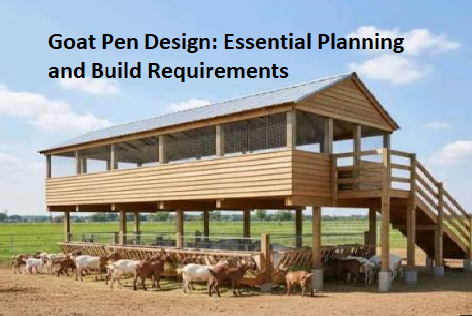
Effective goat pen design provides more than just a place for your animals to sleep; it serves as a critical infrastructure component for maintaining herd health and simplifying daily chores. A well-planned enclosure protects your livestock from predators, keeps them dry during inclement weather, and prevents the spread of common parasites.
By focusing on ventilation, drainage, and security, you create a space where goats thrive rather than just survive. Understanding the foundational elements of goat pen design ensures you avoid costly retrofits later.
The most important metric for any goat owner to know is the space requirement. You should allocate at least 15 square feet of indoor space for a standard-sized goat, though 20 square feet is safer for breeds like Boers or Nubians. Outdoor exercise areas require significantly more room, with experts recommending at least 200 square feet of run space per goat to prevent muddy, parasite-ridden conditions.
These figures assume the goats have access to fresh pasture during the day. If the animals are confined 24/7, those space numbers must double to ensure adequate exercise and waste management.
Choosing the right location
Selecting the site for your structure is the first step in successful goat pen design. You must choose high ground that naturally sheds water away from the building.
Low spots in a paddock quickly turn into quagmires, which lead to hoof rot and other moisture-related health problems. Orient the front of the shelter away from prevailing winds to keep the interior warm during winter months.
Southern exposure is ideal for Northern Hemisphere farmers to maximize sunlight during the colder seasons. Sunlight acts as a natural disinfectant and helps keep the bedding dry.
Avoid placing the structure directly under large trees with dead branches, as these can fall during storms and damage the roof. Ensure you have clear, easy access for wheelbarrows and feed delivery vehicles to minimize manual labor.
Flooring and drainage strategies
Deciding between a dirt floor and a raised floor is a common dilemma. Dirt floors are cheaper but require deep bedding and frequent mucking out to manage moisture.
If you choose dirt, you must crown the interior floor slightly higher than the surrounding ground level. This prevents water from seeping into the pen during heavy rain events.
Raised wooden floors provide excellent drainage but require sturdy construction to support the weight of the animals. Use pressure-treated lumber for the frame, but keep the floorboards themselves untreated to avoid chemical exposure.
Leave small gaps between boards—about 1/4 inch—to allow urine to drain through. This method keeps the goats’ feet dry and significantly reduces the ammonia smell in the shelter.
Ventilation and air quality
Goats are highly susceptible to respiratory issues caused by poor airflow. A common mistake in goat pen design is building a structure that is too airtight.
You need passive ventilation at the highest point of the roof, such as a ridge vent or gable vents. These allow warm, moist air to escape while fresh air enters through lower wall openings.
Avoid drafts at the level where the goats sleep. Use solid walls on the windward sides to block direct gusts, but keep the upper sections open for air circulation.
If you notice condensation on the walls or roof, your ventilation is insufficient. Dry air is essential for preventing pneumonia and keeping the bedding from becoming a breeding ground for bacteria.
Materials and security
Your choice of materials determines the longevity of the structure. Pallet wood is popular for DIY builds, but it often lacks the structural integrity required for long-term use.
Use rough-cut lumber or exterior-grade plywood for walls to withstand the moisture and the inevitable chewing. Goats are notorious for testing the strength of fences and partitions.
Security is paramount when housing livestock. Use heavy-duty hardware for all latches and hinges, as goats can learn to operate simple slide bolts.
Predators like coyotes and stray dogs are a constant threat in many areas. Ensure your fencing is at least 48 to 60 inches high and buried at least 6 inches underground to prevent digging.
Comparing enclosure types
Different styles of housing suit different management goals and climates. The following table provides a comparison of common shelter configurations based on typical operational needs.
| Shelter Type | Best For | Maintenance Level | Estimated Cost |
|---|---|---|---|
| Three-Sided Shed | Mild climates/Pasture | Low | $200 – $500 |
| Barn/Stall System | Cold climates/Kidding | High | $1,500+ |
| Mobile Hoop House | Rotational grazing | Medium | $400 – $800 |
Essential interior features
A functional pen design includes more than just walls and a roof. You need to install sturdy hay feeders that prevent the animals from wasting forage by trampling it.
Goats dislike eating food that has been on the ground, so elevated feeders are essential. Place these feeders where they are easy to refill from outside the pen.
Water access is another critical design element. A heated water trough is necessary in climates that experience freezing temperatures.
Ensure the water source is placed away from the main sleeping area to prevent spills from soaking the bedding. You can find detailed guidance on animal welfare standards at the USDA Animal and Plant Health Inspection Service website.
Managing waste and bedding
Waste management is the most time-consuming aspect of goat husbandry. Deep litter bedding involves adding fresh straw or wood shavings on top of soiled layers throughout the winter.
This process generates heat as the organic material decomposes, which keeps the goats warm. You must clean the entire pen out at least once or twice a year to prevent buildup.
If you choose a daily cleaning routine, you need a nearby compost area. Ensure the manure pile is located at least 100 feet away from any water source to prevent runoff.
Using a concrete or packed gravel pad for the composting area makes it easier to manage during wet seasons. Always keep your muck fork and wheelbarrow stored in a dry, accessible location near the pen.
Fencing and perimeter layout
The perimeter of your goat pen design is just as important as the structure itself. Woven wire fencing, often called “no-climb” fencing, is the gold standard for goats.
It prevents them from getting their heads stuck, which is a common danger with standard cattle panels. Keep the fence tight to ensure it doesn’t sag over time.
Include a gate that is wide enough for a tractor or a wheelbarrow. A gate that is at least 4 feet wide makes moving feed and cleaning the pen much easier.
Add a second latch or a locking carabiner to the gate to ensure it stays shut even if a goat learns to push against it. Check the fence line weekly for any gaps or loose staples that might invite escape attempts.
Frequently asked questions
Should a goat pen have a floor?
A floor is not strictly necessary if you have excellent natural drainage, but it is highly recommended. A raised floor protects goats from cold ground temperatures and keeps them dry. If you opt for a dirt floor, you must manage bedding carefully to avoid mud.
How big should a goat pen be per goat?
Plan for at least 15 to 20 square feet per goat for indoor space. If the goats spend most of their time inside, increase this to 25 square feet. Overcrowding leads to bullying and increased parasite loads.
What is the best way to keep goats from chewing wood?
Goats are curious and will chew on almost anything. You can discourage this by providing plenty of fresh branches or “browse” for them to chew on. Applying non-toxic, bitter-tasting paint or simply ensuring they have enough high-quality hay can also reduce destructive behavior.
Can I build a goat pen using pallets?
Pallets are a common choice for budget-conscious keepers, but they require careful preparation. Remove all nails and staples to avoid injuries, and ensure the wood is not chemically treated. Pallets are often not strong enough for large breeds, so reinforce the corners with heavy-duty lumber.
Conclusion
Investing time in thoughtful goat pen design pays off in the health and longevity of your herd. By prioritizing ventilation, dry flooring, and secure fencing, you eliminate many of the common headaches associated with small-scale livestock management. Remember that your specific climate and breed will dictate the exact requirements for your structure.
Start with a solid foundation, use quality materials, and keep the daily needs of your animals at the forefront of your planning. With a well-structured pen, you can enjoy the rewards of raising goats while keeping maintenance tasks efficient and manageable. Start your build by sketching out your site plan today to ensure you have the space and access needed for a productive, healthy environment.
