

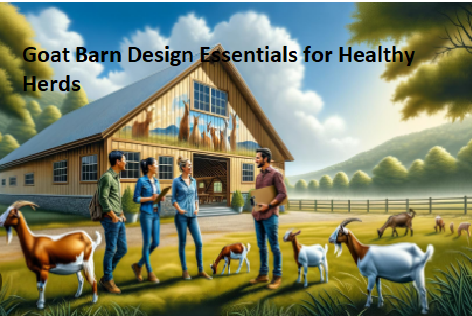
Effective goat barn design prioritizes the specific physiological needs of your animals, ensuring they remain dry, ventilated, and protected from predators. A well-planned structure balances the requirement for airflow with the necessity of warmth during colder months, directly impacting the long-term health and productivity of your herd.
By focusing on site selection, material durability, and internal layout, you can create a functional environment that simplifies daily chores while keeping your goats comfortable throughout the year. Understanding these foundational elements early in the planning process prevents costly retrofits and ensures your investment supports the sustainable growth of your agricultural operation.
The primary requirement for a standard goat barn design is providing at least 12 to 15 square feet of indoor space per adult goat. If you are housing different breeds or animals with kids, you should increase this allocation to roughly 20 square feet to prevent overcrowding and reduce the risk of bullying.
For a small herd of ten goats, a structure measuring 12 by 16 feet provides adequate room for sleeping areas, supplemental feeding, and temporary isolation zones. Always build slightly larger than your current herd size to allow for future expansion or unexpected arrivals, as adding square footage after the structure is framed is significantly more expensive than building it right the first time.
Strategic Site Selection and Foundation
Choosing the correct location for your structure is the most critical step in successful goat barn design. You must prioritize high ground that naturally drains water away from the building, as damp bedding is a leading cause of hoof rot and respiratory issues in goats.
Avoid low-lying areas where mud accumulates during spring thaws, as constant moisture will quickly degrade even the best construction materials. If your property lacks naturally elevated terrain, consider installing a gravel pad at least six inches deep to provide a stable, dry base for your foundation.
Orientation plays a vital role in passive climate control, especially when managing seasonal temperature swings. In many northern climates, positioning the long side of the barn to face south maximizes solar gain during the winter months when the sun sits lower in the sky.
This orientation also protects the interior from prevailing cold winds if you place solid walls on the north and west sides. Conversely, in hot climates, you should orient the structure to catch prevailing breezes while using roof overhangs to provide shade during the hottest parts of the day.
Foundation types vary based on your local soil conditions and the permanence of your structure. Pole barns are a popular choice because they provide high structural integrity without requiring a full concrete slab, which can be cold and uncomfortable for goats.
If you choose a dirt floor, ensure it is packed tightly and covered with several inches of wood shavings or straw to manage moisture. For a more permanent, easily cleaned surface, some owners prefer a concrete floor with a slight slope toward a drain, though this requires significantly more bedding to prevent the goats from slipping or lying on cold surfaces.
Ventilation and Air Quality
Goats are highly susceptible to respiratory ailments caused by ammonia buildup and stale, humid air. An effective goat barn design must include high-level ventilation, such as ridge vents or gable vents, to allow warm, moist air to escape the top of the structure.
Relying solely on open doors is insufficient, as air often stagnates near the ceiling where moisture accumulates. You want a constant, gentle exchange of air that removes odors without creating direct, chilling drafts at the animal’s level.
Windows and wall vents should be strategically placed to encourage cross-ventilation during the summer months. Use sliding shutters or hinged panels that can be closed during winter storms to keep the interior dry and warm.
The goal is to maintain an environment where the temperature inside the barn stays within a few degrees of the outside temperature, as goats are well-equipped to handle cold provided they are dry and out of the wind. Never seal a barn completely tight in an attempt to keep it warm, as the resulting condensation on the walls and ceiling will create a breeding ground for bacteria and mold.
If you are building in an area with high humidity, consider installing a small exhaust fan near the roof peak to pull air out of the building. This is particularly useful if your barn houses a large number of animals in a relatively small footprint.
Ensure that all electrical wiring for fans or lighting is enclosed in conduit and kept well out of reach of curious goats, who will chew on anything accessible. Proper air circulation is not just a luxury; it is a fundamental health requirement for maintaining a productive and disease-free herd.
Internal Layout and Partitioning
The interior layout should prioritize efficiency for the owner and comfort for the animals. Dividing the barn into distinct zones allows you to manage different groups, such as nursing does, bucks, or sick animals, without needing separate structures.
Use heavy-duty, removable panels to create these flexible spaces, as your needs will likely change as the herd grows or the seasons shift. A central alleyway that runs the length of the barn allows for easy access to all pens, making cleaning and feeding significantly faster.
When designing the sleeping area, keep it elevated or at least well-bedded to ensure the goats have a clean place to rest. Goats dislike sleeping on wet surfaces and will naturally seek out higher, drier spots if given the chance.
Providing simple, wooden sleeping platforms, often called “goats benches,” is a standard practice that keeps them off the cold ground and provides them with a sense of security. Make sure these platforms are sturdy enough to support the weight of multiple goats and are easy to remove for deep cleaning or disinfecting.
Storage for hay and equipment should be kept separate from the main animal area to prevent fire hazards and contamination. If you store hay in the loft, ensure the floor is properly reinforced and that the hay is kept away from electrical wiring.
Ideally, your goat barn design will include a small, dedicated room for medical supplies, record-keeping, and grain storage. This keeps essential items organized and protected from pests, ensuring that you can respond quickly to any health issues that arise within the herd.
Building Materials for Durability
Your choice of materials will dictate the longevity of your structure and the amount of maintenance required over time. Rough-cut lumber is often preferred for framing because it is stronger and more resistant to warping than standard dimensional kiln-dried wood.
For exterior siding, metal sheeting is an excellent, low-maintenance option that stands up to the elements and resists the chewing habits of goats. If you prefer wood siding, ensure it is treated or painted to prevent rot, but avoid using toxic chemicals that the goats might ingest if they gnaw on the walls.
Roofing materials should be chosen based on local snowfall and wind loads. Metal roofing is highly durable and allows snow to slide off easily, preventing excessive weight buildup during winter. However, it can be noisy during rainstorms, which may startle the animals if they aren’t accustomed to the sound.
Asphalt shingles are a quieter alternative but require a solid roof deck and have a shorter lifespan in harsh environments. Regardless of the material, ensure your roof has significant overhangs to keep rain and snow away from the foundation and walls.
Hardware and fasteners are often overlooked in the design phase but are critical for safety. Use high-quality, galvanized hinges and latches that can withstand constant use and exposure to moisture.
Goats are notorious for opening latches, so use locking mechanisms that require human dexterity, such as spring-loaded clips or double-latch systems. Avoid using exposed nails or sharp metal edges inside the pen, as these can cause serious injuries to the animals when they rub against the walls or play.
Comparative Analysis of Barn Types
Selecting the right structure type depends on your budget, climate, and the scale of your operation. The following table provides a comparison of common construction styles used in modern goat farming.
| Barn Type | Best For | Maintenance Level | Cost Estimate |
|---|---|---|---|
| Pole Barn | Large herds/flexibility | Low | Moderate |
| Lean-to Structure | Small herds/budget | Low | Low |
| Converted Shed | Micro-herds/beginners | Moderate | Very Low |
| Modular/Pre-fab | Speed/convenience | Very Low | High |
Each of these designs has distinct advantages depending on your specific goals. Pole barns offer the most versatility and can easily be expanded as your herd size increases. Lean-to structures are excellent for adding onto existing buildings, utilizing a shared wall to reduce construction time and material costs.
Converted sheds work well for a few pet goats but often lack the ventilation needed for larger, more dense populations. Modular buildings provide a quick solution but often come with a higher price tag and less customization potential compared to a custom-built barn.
Safety and Predator Control
Goat barn design must account for the reality of local predators, which can vary from stray dogs to coyotes and bobcats. Your walls should be solid, with no gaps at the bottom where small predators can squeeze through.
If you use wire fencing for any portion of the barn, ensure it is high-tensile and properly tensioned, as goats will lean against it and eventually weaken loose mesh. Ensure all doors fit tightly against the frame and are equipped with secure, predator-proof latches that cannot be manipulated by clever animals or wildlife.
Lighting is another important aspect of safety, both for the goats and the farmer. Install motion-activated floodlights around the perimeter of the barn to deter nocturnal predators and provide visibility during late-night checks.
Inside the barn, use LED lighting that is shatterproof and protected by cages to prevent accidental breakage. Good lighting makes it much easier to spot early signs of illness or injury, allowing you to intervene before a minor problem becomes a veterinary emergency.
Consider the layout of your exterior paddocks in relation to the barn doors. Having a secure “holding area” or small pen immediately outside the main door allows you to move animals into the barn safely without them bolting into the open.
This is particularly helpful when you need to separate a goat for medical treatment or during breeding season. By creating a flow that moves animals from a larger pasture into a smaller, controlled area and finally into the barn, you minimize stress for both the animals and the handler.
Essential Features to Include
Every well-designed goat barn should incorporate specific features that simplify daily management. A primary consideration is the inclusion of a hay feeder that prevents wastage and keeps the hay clean.
Goats are notorious for trampling hay if it is placed on the ground, which leads to significant feed costs and potential parasite ingestion. Wall-mounted feeders or racks that keep the hay at chest height are ideal for maintaining herd health and keeping the barn floor clean.
Water accessibility is equally important, as goats require a steady supply of fresh, clean water to maintain milk production and overall health. If you live in an area where temperatures drop below freezing, consider installing a heated water trough to ensure they have access to liquid water throughout the winter.
Place water sources away from hay feeders to prevent the water from becoming contaminated with debris. A small, elevated platform under the water trough can help keep the area around it from becoming a muddy mess.
* Secure latches on all doors and gates to prevent accidental escapes.
* Adjustable ventilation panels to control airflow in changing weather.
* Raised sleeping benches to keep goats off cold, damp flooring.
* Hay racks designed to minimize waste and prevent fecal contamination.
* A dedicated medical area for isolating sick animals or managing births.
* Properly shielded lighting to ensure safety and visibility.
Frequently Asked Questions
How much space does one goat need in a barn?
A good rule of thumb is to provide 12 to 15 square feet per adult goat. If you are keeping smaller breeds or kids, you can scale this down slightly, but overcrowding is a common mistake that leads to increased disease transmission and stress.
What is the best type of flooring for a goat barn?
Many farmers prefer a well-packed dirt floor covered with a thick layer of absorbent bedding like wood shavings or straw. This is cost-effective and provides good insulation, provided you maintain a consistent cleaning schedule to prevent moisture buildup and ammonia odors.
How do I prevent predators from getting into the barn?
Ensure that all wall-to-floor gaps are sealed and that your doors have heavy-duty, locking latches that cannot be pushed open. Adding motion-sensor lighting around the perimeter is also an effective way to discourage nocturnal predators from approaching the structure.
Do I need a concrete floor for my goat barn?
Concrete floors are not strictly necessary and can be harder on the goats’ joints than dirt or wood. However, they are much easier to sanitize and disinfect, which makes them a popular choice for larger commercial operations or barns where you frequently house sick or quarantined animals.
What are the most common mistakes in goat barn design?
The most common errors include poor ventilation, which leads to respiratory issues, and failing to provide enough dry, elevated space. Many builders also neglect to incorporate efficient storage for hay and equipment, which leads to a cluttered and unsafe environment for both the owner and the herd.
Refining Your Approach
Careful planning remains the most effective tool in your arsenal when constructing a new shelter. You can consult resources like the eXtension Foundation to find research-based best practices regarding animal husbandry and facility management.
By focusing on airflow, predator-proofing, and ease of access, you create a space that supports the longevity of your animals and the efficiency of your daily routine. Every decision you make during the design phase should prioritize the long-term health of your herd, as this is the primary indicator of a successful agricultural facility.
A well-executed goat barn design serves as the backbone of a healthy farming operation. By investing time into the layout, material quality, and environmental controls early on, you eliminate many of the common headaches that plague new goat owners.
Remember that your specific needs will evolve, so prioritize flexibility in your internal partitions and storage areas. With a stable, dry, and well-ventilated structure, you provide your goats with the security they need to thrive and remain productive for years to come.
