

Dealing with goat parasites is one of the most significant challenges for any small ruminant owner, as these internal and external threats directly impact herd productivity and animal welfare. Understanding the life cycles of these organisms is the first step toward implementing an effective management plan that protects your livestock from anemia, weight loss, and potentially fatal infections.
By mastering fecal egg counts and strategic pasture rotation, you can significantly reduce your reliance on chemical dewormers while keeping your animals healthy. This guide provides the clinical knowledge required to identify, manage, and prevent common infestations that affect goats of all ages.
The most common internal parasites in goats are gastrointestinal nematodes, specifically Haemonchus contortus, commonly known as the barber’s pole worm. This specific parasite is highly problematic because it feeds on the blood of the goat, leading to severe anemia and death in untreated animals. Other major internal threats include Teladorsagia circumcincta (brown stomach worm) and various species of Trichostrongylus.
These worms reside in the abomasum or small intestine, where they cause inflammation, poor nutrient absorption, and persistent diarrhea. Unlike cattle or sheep, goats have a limited natural immunity to these worms, making them particularly vulnerable during the grazing season.
Identifying Signs of Infection
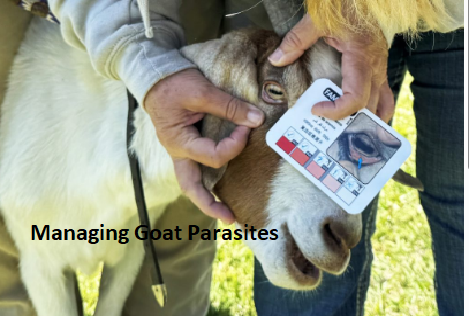
You can tell if your goat has parasites by performing a regular physical examination focused on specific clinical indicators. The most reliable method for assessing the impact of blood-feeding worms is the FAMACHA system, which involves examining the color of the lower eyelid’s mucous membrane.
A healthy, non-parasitized goat will have a deep red or pink eyelid, while an animal suffering from heavy worm loads will show pale, white, or yellow membranes. This visual check takes only seconds but provides a critical snapshot of the animal’s current red blood cell status.
Other symptoms of internal infestation include a rough, dull hair coat and a loss of body condition despite adequate feed intake. You might notice a “bottle jaw,” which is a soft swelling under the lower jaw caused by fluid accumulation due to low blood protein levels. Diarrhea is common, though it is not always present with every type of worm infection.
If you notice a goat lagging behind the rest of the herd or displaying a hunched posture, it is time to perform a diagnostic check. Always record these observations in a health log to track individual animal trends over time.
The Role of Fecal Egg Counts
Relying on physical symptoms alone is often insufficient, which is why fecal egg counts are the gold standard for monitoring parasite burdens. By collecting a fresh sample from the rectum and using a McMaster slide, you can estimate the number of eggs per gram of feces.
This quantitative approach allows you to identify “refugia,” which are the populations of worms that have not been exposed to dewormers. Maintaining a population of susceptible parasites is essential to slowing the development of drug-resistant worms in your pasture.
You should perform these counts at least twice a year, or whenever you suspect a spike in worm activity during warm, humid months. The data obtained from these tests helps you decide which goats actually require treatment, rather than deworming the entire herd blindly.
Blanket deworming is a primary driver of resistance, as it kills all susceptible worms and leaves only the resistant ones to reproduce. Using lab-confirmed data ensures that you are only treating the individuals that are truly suffering from an elevated parasite load.
Common Parasite Types and Impact
Goats are susceptible to a range of internal and external organisms that require different management strategies. Understanding the biology of these pests helps you choose the right intervention at the right time. Internal worms are generally the most dangerous, but external parasites like lice and mites cause significant stress and hide damage.
| Parasite Type | Primary Location | Main Symptom |
|---|---|---|
| Haemonchus contortus | Abomasum | Severe anemia |
| Coccidia | Small intestine | Bloody diarrhea |
| Lice | Skin/Hair | Itching and rubbing |
| Liver Fluke | Liver/Bile ducts | Liver damage |
Coccidia are protozoa rather than worms, but they are equally devastating, particularly in young kids. These organisms damage the lining of the small intestine, leading to stunted growth and poor feed conversion.
Unlike nematodes, coccidia are managed through sanitation and sometimes preventative medication in the water or feed. Always consult with a veterinarian to determine the best protocol for your specific environment and management system.
Strategic Pasture Management
Pasture rotation is the most effective long-term strategy for keeping goat parasites under control. Parasite larvae thrive in the bottom two inches of grass, which is exactly where goats prefer to graze.
By moving your herd to fresh paddocks before the grass is eaten too short, you reduce the likelihood of them ingesting large numbers of larvae. A rest period of 30 to 60 days between grazing sessions is generally recommended to allow larvae to die off naturally in the environment.
Integrating other species into your grazing plan can also break the parasite life cycle. For instance, cattle and horses do not share the same primary stomach worms as goats. When cattle graze a pasture after goats, they ingest the larvae left behind by the goats, which then die in the cattle’s digestive tract.
This “vacuum cleaner” effect is an excellent way to clean up your pastures without using chemical sprays. Always ensure your fencing is secure when implementing multi-species grazing to prevent accidental mixing of herds.
Understanding Drug Resistance
Chemical dewormer resistance is a global crisis in small ruminant production, making it vital to use anthelmintics sparingly. Many of the older, common dewormers like ivermectin or albendazole are no longer effective on many farms due to decades of overuse.
When you do choose to treat, use the appropriate dosage based on the animal’s exact body weight, which you should determine with a scale. Under-dosing is a quick way to accelerate the development of resistant worm populations because it only kills the weakest parasites.
Always follow the label instructions and observe the required withdrawal periods for meat and milk before selling or consuming products from treated animals. You can find detailed information on the proper use of these medications through the American Consortium for Small Ruminant Parasite Control.
This organization provides evidence-based research on how to manage drug-resistant parasites in goats. Never rotate between different dewormer classes too quickly, as this can sometimes select for multi-drug resistant worms.
External Parasites and Their Control
While internal worms get most of the attention, external parasites can significantly drain a goat’s energy and overall productivity. Lice are particularly common in the winter months when the goats’ coats are thick and they are housed in closer proximity.
You might notice patches of hair loss or goats rubbing against fences and barn walls. Mites, which cause mange, can also lead to crusty skin and intense irritation that requires specific topical treatments or injections.
Controlling external pests requires a combination of hygiene and targeted chemical applications. Keep your barn well-ventilated and dry, as moisture encourages the survival of many external pests.
If you suspect an outbreak, ensure that you treat every animal in the herd, even if they aren’t showing obvious symptoms. Always check the labels on any topical sprays or pour-ons to ensure they are safe for use on dairy goats if you are milking.
Nutritional Support for Herd Health
A well-nourished goat is inherently more resilient to the challenges posed by goat parasites. Providing high-quality forage and ensuring that goats have access to essential minerals, particularly copper, can boost their immune response.
Goats have a higher requirement for copper than sheep, and a deficiency can lead to a weakened immune system. However, always verify your soil and forage levels before adding supplements to avoid toxicity.
Protein is another critical component in the fight against parasites. Research suggests that goats fed a diet with adequate crude protein levels are better able to withstand the effects of a worm infection.
This is especially true for lactating does and growing kids who are under significant physiological stress. Ensure that your feeding program accounts for the life stage of the animal, as nutritional needs vary throughout the year.
Frequently Asked Questions
What are the most common symptoms of a heavy parasite load?
The most common symptoms include pale mucous membranes, which indicate anemia, along with weight loss, a rough coat, and a lack of energy. You may also notice diarrhea or a swelling under the jaw known as bottle jaw, especially in cases involving the barber’s pole worm.
How do I know if my dewormer is still working?
The only way to confirm efficacy is to perform a fecal egg count reduction test. This involves taking a fecal sample before treatment and another sample 10 to 14 days after treatment to see if the egg count has dropped by at least 95 percent.
Can I pass goat parasites to my own body?
While most goat-specific nematodes do not infect humans, there are some zoonotic concerns, such as cryptosporidium or certain types of mange mites. Always practice good hygiene, such as washing your hands thoroughly after handling animals, and wear gloves when performing fecal exams or treating sick goats.
How often should I rotate my pastures?
The frequency of rotation depends on the growth rate of your grass and the stocking density of your herd. In the peak growing season, moving goats every 3 to 7 days is often ideal to keep them off the shortest, most contaminated grass.
Is there a natural way to prevent parasite infestations?
There is no single natural cure, but you can reduce the need for chemicals through intensive rotational grazing, proper nutrition, and selecting breeding stock that shows natural resistance to worms. Some producers also use plants high in tannins, like sericea lespedeza, which have been shown to help suppress some types of internal worm populations.
Maintaining Long-Term Herd Resilience
Managing the health of your animals requires a proactive approach that prioritizes prevention over constant treatment. By monitoring your herd with consistent fecal testing and maintaining high standards of nutrition, you can keep your goats productive for many years.
Remember that your goal is not to eliminate every parasite, as this is impossible in a natural grazing environment. Instead, aim to keep the parasite levels low enough that your goats can thrive and maintain their body condition.
Always keep clear records of your treatments and the results of your monitoring efforts. This data will help you understand the seasonal patterns of goat parasites on your specific property, allowing you to anticipate outbreaks before they become severe.
By working closely with your local veterinarian and staying updated on current research, you ensure that your farm remains a healthy environment for your livestock. Consistency is the most important factor in long-term success, so stay vigilant with your observations and management practices.
