

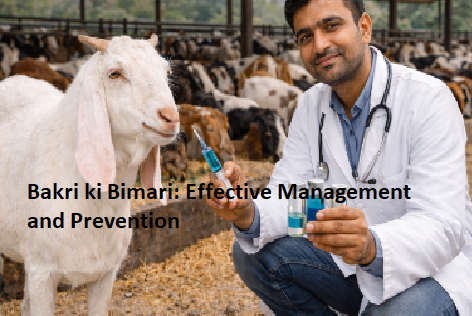
Managing common forms of bakri ki bimari requires a proactive approach to livestock health and environmental hygiene. Goat farmers often face challenges ranging from parasitic infestations to viral infections that can significantly impact herd productivity. Recognizing symptoms early is the most effective way to prevent widespread outbreaks within your farm.
The most common health issues affecting goats include Peste des Petits Ruminants (PPR), Enterotoxemia, foot-and-mouth disease, and parasitic worms. PPR is a viral disease that often manifests with high fever, oral lesions, and respiratory distress. Enterotoxemia, or overeating disease, typically occurs when goats consume too much grain or high-protein feed, leading to sudden death.
Foot-and-mouth disease presents as blisters around the mouth and hooves, causing significant pain and loss of appetite. Parasitic infections, particularly gastrointestinal worms, lead to weight loss, anemia, and reduced milk production.
Identifying Early Warning Signs of Illness
A healthy goat typically exhibits a bright, alert demeanor with a steady appetite and consistent rumination. When observing a goat for signs of bakri ki bimari, look for changes in behavior such as isolation from the herd or lethargy. A goat that stands with its head down or displays a hunched back is often in pain or suffering from digestive distress.
Check the animal’s temperature regularly, as a fever is a primary indicator of infection. A normal temperature for a goat ranges between 101.5°F and 103.5°F.
If the temperature exceeds this range, it suggests an active immune response to a pathogen. Monitor the eyes and nose for unusual discharge, which may signal respiratory issues.
Examine the droppings, as consistency and color provide vital clues about internal health. Diarrhea, or scours, can lead to rapid dehydration and death if not addressed immediately. Conversely, a complete lack of droppings might indicate a blockage or severe impaction in the digestive tract.
The Impact of PPR on Goat Herds
Peste des Petits Ruminants, commonly known as PPR, is perhaps the most devastating viral disease for goat keepers. It spreads rapidly through direct contact between animals and contaminated environments. The virus attacks the respiratory and digestive systems, leading to a high mortality rate if left untreated.
Symptoms include severe nasal discharge, watery eyes, and ulcerations inside the mouth. You might notice the goat struggling to breathe or coughing frequently. Because this disease is highly contagious, immediate isolation of the symptomatic goat is the most critical step you can take.
Vaccination is the only reliable defense against this viral threat. Consult with your local veterinary office to establish a routine vaccination schedule for Peste des Petits Ruminants to protect your entire herd. Maintaining a closed herd policy where new arrivals are quarantined for at least 21 days can prevent the introduction of the virus.
Managing Enterotoxemia and Digestive Health
Enterotoxemia is caused by the bacterium Clostridium perfringens, which lives naturally in the goat’s gut. When a goat consumes too much sugar or starch, these bacteria multiply rapidly and release deadly toxins. This condition is often called “overeating disease” and can strike healthy-looking animals without warning.
Prevention centers entirely on managing the diet and ensuring consistent feed intake. Avoid sudden changes in feed types or quantities, as these disruptions trigger bacterial imbalances. Ensure that fiber intake remains high, as hay and grazing provide the necessary roughage for healthy digestion.
Vaccines for Clostridium types C and D are available and should be part of your standard health protocol. Administer these vaccines to kids at an early age and follow up with annual boosters for the adult herd. If you suspect an animal has this condition, contact a veterinarian immediately, as the progression is often too fast for home remedies.
Parasite Control and Deworming Strategies
Internal parasites, particularly Haemonchus contortus or the barber’s pole worm, pose a constant threat in humid climates. These worms attach to the abomasum and feed on the goat’s blood, causing severe anemia. Signs of infestation include pale gums, a fluid-filled swelling under the jaw known as “bottle jaw,” and rough, dull coats.
Do not rely on routine deworming schedules, as this encourages the development of drug-resistant parasites. Instead, use the FAMACHA system to evaluate the color of the mucous membranes in the lower eyelid. This helps you identify only those goats that truly need treatment, preserving the effectiveness of your deworming chemicals.
Rotate your grazing pastures frequently to break the life cycle of the worms. Allowing a pasture to rest for several weeks exposes larvae to sunlight and desiccation. Keep feeders elevated so that goats do not consume feed contaminated with feces, which is the primary route for parasite eggs.
Common Goat Health Conditions and Symptoms
| Condition | Primary Symptoms | Recommended Action |
| :— | :— | :— |
| PPR | Fever, mouth ulcers, coughing | Isolate, contact vet, vaccinate |
| Enterotoxemia | Sudden bloating, lethargy, death | Gradual diet changes, vaccination |
| Foot Rot | Lameness, foul smell, hoof rot | Foot trimming, copper sulfate bath |
| Mastitis | Hard, hot udder, clotted milk | Milking out, systemic antibiotics |
| Worm Infestation | Pale gums, bottle jaw, weight loss | FAMACHA scoring, targeted deworming |
Foot Rot and Hoof Maintenance
Foot rot is a bacterial infection that thrives in muddy, wet conditions. It causes intense pain, causing the goat to walk on its knees or remain lying down. You will notice a distinct, foul odor coming from the hoof area when the infection is present.
Regular hoof trimming is the most effective way to prevent this issue. Overgrown hooves create pockets where debris and bacteria can accumulate. Inspect each goat’s feet at least once every three months, trimming away excess growth to keep the sole clean and flat.
If you notice signs of rot, move the herd to a dry, elevated area immediately. Treat the affected hoof by cleaning it thoroughly and applying an antiseptic or a copper sulfate solution. For severe cases, a veterinarian may need to administer antibiotics to stop the spread of infection to the deeper tissues.
The Role of Nutrition in Disease Prevention
A well-nourished goat has a significantly stronger immune system compared to one suffering from nutritional deficiencies. Minerals like copper, selenium, and zinc are essential for maintaining the integrity of the skin and mucous membranes. Ensure your goats have access to high-quality mineral blocks designed specifically for small ruminants.
Avoid feeding moldy hay or contaminated grain, as these can harbor toxic fungi. Clean water is just as important as food; ensure that water troughs are scrubbed and refilled daily. Stagnant water is a breeding ground for bacteria and parasites that contribute to general health declines.
Monitor the body condition score of your goats throughout the year. A goat that is losing weight despite having access to feed may be struggling with sub-clinical infections. Adjust the protein and energy content of the ration based on the life stage, such as pregnancy, lactation, or growth phases.
Essential Items for Your Goat First Aid Kit
Every farm should maintain a dedicated kit for handling common health issues. Having the right tools on hand can save precious time when an emergency arises. Store these items in a clean, dry, and labeled container that is easily accessible.
* Digital thermometer for monitoring fever.
* Antiseptic spray or iodine for wound cleaning.
* Electrolyte powder for treating dehydration from scours.
* Hoof trimmers and a sharp knife for foot care.
* Sterile syringes and needles for administering medication.
* Lubricating jelly for rectal or vaginal examinations.
* Bandages and gauze for dressing foot wounds.
* A list of emergency contacts, including your local veterinarian.
Frequently Asked Questions
How can I treat a goat with a high fever at home?
While you can provide supportive care such as electrolytes and shade, a high fever often indicates a serious infection. You should contact a veterinarian to determine the cause, as a fever could be a symptom of anything from pneumonia to a viral disease like PPR. Do not attempt to use human medications without professional guidance, as some are toxic to goats.
What is the best way to handle diarrhea in goats?
Diarrhea is a symptom, not a specific disease, so you must identify the root cause. It is frequently caused by parasites or dietary indiscretion, but it can also result from bacterial infections. Provide plenty of fresh water with electrolytes to prevent dehydration while you investigate the source of the problem.
Can I use human antibiotics for bakri ki bimari?
Using human antibiotics is risky and generally discouraged without a veterinary prescription. Goats have unique rumen flora that can be severely disrupted by the wrong medication. Always use veterinary-approved products at the dosage recommended by a professional to ensure safety and effectiveness.
How often should I vaccinate my goat herd?
The frequency depends on your local disease prevalence and the specific vaccines used. Typically, core vaccines like Clostridium C & D are given annually, while PPR vaccines may be required based on regional health programs. Establish a schedule with your local animal health department to ensure complete coverage.
What are the signs of foot rot in my goats?
Look for limping, excessive swelling between the toes, and a very strong, unpleasant odor from the hooves. You may also see the animal kneeling or refusing to put weight on a specific leg. Regular cleaning and dry housing are the best ways to prevent this from developing in the first place.
Final Thoughts on Herd Health
Maintaining a healthy herd requires vigilance, clean housing, and a solid understanding of basic animal husbandry. By keeping a close eye on your goats, you can spot the earliest signs of bakri ki bimari before they become severe issues. Focus on preventative measures like vaccination, regular hoof care, and balanced nutrition to keep your animals thriving.
Remember that a clean environment is your first line of defense against most illnesses. When you notice something unusual, do not hesitate to seek professional veterinary advice rather than waiting for the condition to worsen. With consistent care and a proactive mindset, you can keep your goats productive and healthy for years to come.
