

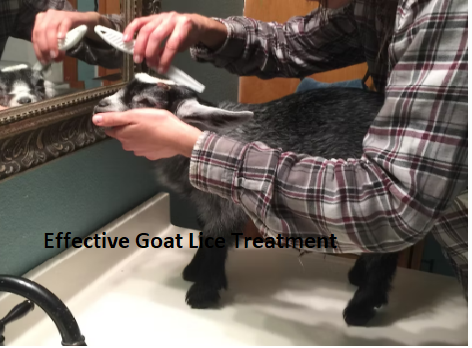
Managing a healthy herd requires consistent attention to external parasites, and finding an effective goat lice treatment is a cornerstone of responsible animal husbandry. Lice infestations can lead to significant stress, weight loss, and reduced milk production if left unaddressed. By recognizing the signs early and applying the correct protocols, you can ensure your goats remain comfortable and productive throughout the year.
The primary solution for addressing an infestation is the application of specific topical insecticides, often referred to as pour-ons or sprays, which are formulated to kill both biting and sucking lice. Most veterinarians recommend using products containing ivermectin, moxidectin, or permethrin to achieve full eradication.
You should apply these treatments directly along the goat’s backline, ensuring the liquid reaches the skin rather than just sitting on the hair coat. Because many products only kill live lice and not the eggs, a second application 10 to 14 days later is mandatory to catch the newly hatched nits.
Identifying Infestation Symptoms
Goats suffering from lice often exhibit distinct behaviors that signal an infestation. The most common sign is intense, persistent scratching or rubbing against fences, trees, and stall walls. You may notice patches of missing hair or broken, matted fibers where the animal has been actively trying to relieve the itch.
Closely inspect the animal’s skin by parting the hair, especially along the neck, brisket, and tail head. If you look carefully, you might see small, tan, or dark insects moving quickly near the skin surface. Biting lice are generally smaller and more mobile, while sucking lice often appear stationary with their heads buried into the skin.
Weight loss and a dull, lackluster coat are secondary indicators of a severe lice burden. If your goats seem lethargic or are failing to thrive despite adequate nutrition, a parasite check should be your first step. Remember that these insects are host-specific, meaning goat lice will not jump to humans or pets.
Comparing Common Treatment Options
Selecting the right product depends on the severity of the infestation and your specific management goals. Some producers prefer powders for localized control, while others rely on systemic pour-ons that offer broader protection.
| Treatment Type | Application Method | Effectiveness |
|---|---|---|
| Pour-on | Applied along the spine | High (Systemic) |
| Dust/Powder | Applied to coat/skin | Moderate (Contact) |
| Injectable | Subcutaneous injection | Variable |
| Sprays | Mist over entire body | Moderate (Immediate) |
Pour-on products are widely considered the gold standard for convenience and efficacy. They absorb into the bloodstream or spread across the skin oils to provide a residual effect that kills lice over several days. Injectable versions, while useful for internal parasites, are sometimes less effective against surface-dwelling lice, making topicals the preferred choice for external control.
The Importance of Life Cycle Awareness
Understanding the reproductive cycle of lice is essential for a successful goat lice treatment strategy. Female lice lay eggs, known as nits, which are firmly glued to the hair shafts of the goat. These eggs typically hatch within one to two weeks, depending on the ambient temperature and humidity.
If you only treat the herd once, the eggs will hatch shortly after the chemicals have dissipated, leading to a rapid re-infestation. This is why the two-stage treatment approach is non-negotiable for anyone serious about parasite control. By scheduling your second dose precisely two weeks after the first, you intercept the new generation before they reach reproductive maturity.
Ignoring this biological reality is the most common reason owners feel that their chosen product has failed. Consistency is far more important than the brand of insecticide you choose. Always keep a calendar to track the specific dates of your initial and follow-up applications to ensure no goat is missed.
Environmental Sanitation and Herd Management
While chemicals are necessary to clear an active infestation, environmental management helps prevent the cycle from repeating. Lice are spread through direct contact between animals, especially in crowded housing conditions. If you introduce new goats to your herd, quarantine them for at least 14 days and perform a thorough inspection before allowing them to mingle.
Regularly cleaning and disinfecting brushes, grooming tools, and shared equipment can also reduce the risk of transmission. Lice can survive for a short period off the host on grooming tools or bedding, making sanitation a vital part of your prevention plan. Keep your barns well-ventilated and dry, as damp, overcrowded conditions provide an ideal environment for parasites to thrive.
You should also maintain high nutritional standards for your herd, as healthy animals with strong immune systems are more resistant to heavy parasite loads. A goat that is under stress from poor nutrition or other health issues will be far more susceptible to a lice explosion. Refer to the eXtension Foundation for more information on general livestock health and parasite prevention best practices.
Safety Precautions During Application
When applying any chemical treatment, prioritize the safety of both yourself and your animals. Always read the product label thoroughly, as dosage rates are determined by the weight of the goat. Never guess the weight; use a livestock scale or a weight tape to ensure you are providing the correct amount.
Wear gloves during application to prevent skin absorption of the insecticide. If you are using a spray, ensure you are working in a well-ventilated area to avoid inhaling chemical mists. Keep a record of which products you have used, as rotating classes of insecticides can help prevent the development of resistant parasite populations on your farm.
If you have dairy goats, pay extra attention to the withdrawal times listed on the product label. Some chemicals are not approved for use on lactating animals because residues can end up in the milk. Always consult your veterinarian if you are unsure about the safety of a specific treatment for your milking herd.
Recognizing Resistance and When to Rotate
Over-reliance on a single type of chemical can lead to “resistance,” where the lice population evolves to survive the treatment. If you notice that your goats are still scratching vigorously two weeks after a proper, two-stage treatment, you may be dealing with resistant lice. In such cases, switching to a product with a different active ingredient is the appropriate response.
You can manage this risk by not over-treating your animals when they do not show signs of infestation. Only treat when necessary, and ensure that you are applying the full, correct dose every time. Using “half-doses” or sub-therapeutic levels is a primary driver of resistance in parasite populations.
Keep a log of which products you use and when. If you notice a particular product is no longer working as effectively as it did in previous years, switch to a different class of insecticide. This simple rotation strategy preserves the effectiveness of your tools and keeps your herd healthy.
Common Mistakes to Avoid
Many owners make preventable errors that undermine their efforts to keep their herd parasite-free. Avoid these common pitfalls to maximize your success:
- Failing to treat every goat in the herd simultaneously, which allows the lice to move from untreated to treated animals.
- Applying the treatment to the hair instead of the skin, which prevents the chemical from reaching the insects.
- Skipping the second application, which leaves the nits to hatch and restart the entire infestation cycle.
- Using products intended for other species, such as heavy-duty cattle pour-ons that may have different toxicity levels for goats.
- Neglecting to treat the environment, such as grooming tools or bedding areas that may harbor survivors.
Taking the time to do the job correctly the first time saves you money and stress in the long run. By treating the entire herd at once, you eliminate the possibility of a “reservoir” animal re-infecting the rest of your goats. Consistency and attention to detail are your best allies in this process.
Frequently Asked Questions
Will common household products like Dawn dish soap effectively kill lice on goats?
While dish soap may kill lice on contact, it is not a systemic treatment and does not kill the eggs (nits). It is generally not recommended as a primary treatment because it does not provide the residual protection needed to break the life cycle, often leading to immediate re-infestation.
How can I tell if my goat has lice or mites?
Lice are visible to the naked eye if you look closely at the hair shafts, often appearing as small, moving specks. Mites are microscopic and cause more severe skin crusting, hair loss, and intense inflammation, often requiring skin scrapings analyzed by a veterinarian for a definitive diagnosis.
Are there natural or organic alternatives to chemical treatments?
Some producers use essential oils or diatomaceous earth, but these have limited efficacy against established, heavy infestations. While they may offer some relief, they are rarely sufficient to completely eradicate a cycle of lice in a commercial or homestead setting compared to proven veterinary-grade insecticides.
Is it possible to over-treat a goat for lice?
Yes, applying too much medication or using products too frequently can lead to toxicity, especially in younger or smaller goats. Always follow the weight-based dosage guidelines on the product label and never exceed the recommended frequency of application to ensure the safety of your animals.
Do I need to treat the barn or the bedding?
While the primary focus must be on the goats themselves, cleaning out old bedding and applying a surface spray to stalls can reduce the overall parasite load in the environment. This is especially helpful if you are dealing with a recurring issue despite following strict treatment protocols on the animals.
Maintaining a healthy herd requires vigilance, but with the right approach to goat lice treatment, you can effectively manage these parasites. Remember that the key to success lies in consistent application, understanding the life cycle of the insect, and treating the entire herd at once. By performing a follow-up application to catch hatching nits and keeping your environment clean, you will provide your goats with the relief they deserve.
If you find that your current methods are not yielding results, do not hesitate to reach out to your local large-animal veterinarian for a customized plan. Staying proactive ensures your goats remain comfortable, productive, and thriving in your care.
