

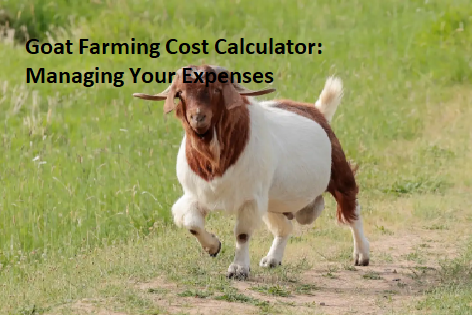
Using a goat farming cost calculator helps you move from guesswork to a structured financial plan. Most new farmers underestimate the initial capital requirements for fencing, housing, and livestock acquisition.
By mapping out every variable, you can determine if your operation will be profitable within the first three years. This process requires an honest look at your local market prices for feed, veterinary care, and land maintenance.
For a small-scale start with 10 goats, you should expect an initial investment of between $3,000 and $7,000. This figure covers basic shelter, fencing, initial stock, and six months of operational expenses. If you plan to scale to 100 goats, that number jumps significantly to $25,000 or more, depending on your existing infrastructure.
Operational costs typically range from $150 to $250 per goat annually, excluding labor costs. These figures vary wildly based on your region’s climate and the availability of local forage.
Infrastructure and Land Preparation
Land preparation is often the most significant upfront expense for any livestock enterprise. You must clear brush, level terrain, and install robust fencing to protect animals from predators.
High-tensile woven wire fencing is the industry standard for goats, as they are notorious for escaping through standard barbed wire. Budget approximately $2 to $4 per linear foot for high-quality fencing materials and installation labor.
Housing requirements depend heavily on your local weather patterns and the breed of goat you choose. A simple three-sided structure provides adequate protection in temperate climates, costing roughly $500 to $1,500 for a small herd.
In colder regions, you need a fully enclosed, draft-free barn with proper ventilation to prevent respiratory issues. These structures can cost upwards of $5,000 once you factor in concrete flooring and specialized hardware.
Water systems represent another essential infrastructure cost that is frequently overlooked. You need a reliable, clean water source, such as a well or municipal connection, plus troughs that are easy to clean.
Automatic waterers save significant labor time but require plumbing installation that can cost $300 to $800. Never rely on surface water, as it increases the risk of parasite transmission among your herd.
Livestock Acquisition Costs
Purchasing your foundation stock is a major variable in your goat farming cost calculator. The price of a goat depends on its breed, age, pedigree, and health status.
A commercial-grade meat goat doe typically costs between $200 and $400. Registered dairy goats with strong genetics can cost $600 to $1,200 or more per head.
Avoid the temptation to buy the cheapest animals available at local auctions. These animals often carry hidden health issues like Caseous Lymphadenitis or CAE, which can devastate your entire herd.
Investing in healthy, tested stock from reputable breeders saves you thousands in future veterinary bills. Always request health records and vaccination history before finalizing any purchase.
Transporting your new herd also adds to your total expenditure. If you do not own a livestock trailer, you must hire a professional hauler or rent equipment.
Factor in $2 to $5 per mile for professional transport services. If you are starting small, ensure your vehicle is properly equipped to minimize stress on the animals during transit.
Annual Feed and Nutrition Budgets
Feed is the largest recurring expense, often accounting for 60% to 70% of your annual operating budget. Goats are browsers, not grazers, meaning they prefer brush and weeds over simple grass.
If your land lacks sufficient browse, you must provide high-quality hay year-round. A single goat consumes roughly 2 to 4 pounds of hay per day, depending on its size and stage of life.
Supplementing with grain is necessary for lactating does or growing kids, especially during winter months. A 50-pound bag of high-quality goat feed typically costs between $15 and $25.
You must also invest in mineral blocks and loose minerals to prevent deficiencies like copper or selenium shortages. These supplements are inexpensive but critical for maintaining herd immunity and reproductive health.
Rotational grazing can drastically reduce your feed costs by maximizing the nutritional value of your pasture. By moving goats frequently to new paddocks, you allow the forage to recover and break the lifecycle of internal parasites.
This management style requires additional investment in temporary electric fencing, such as netting or poly-wire. You can expect to spend $200 to $500 on a basic portable fencing kit that allows for effective rotational grazing.
Veterinary and Health Management
Health management is a non-negotiable expense that keeps your operation running profitably. Routine care includes vaccinations, hoof trimming, and parasite control.
You should budget at least $30 to $50 per goat per year for basic preventative health supplies. This includes dewormers, vaccines for CDT (Clostridium perfringens types C and D, and Tetanus), and equipment like hoof trimmers.
Emergency veterinary bills can quickly drain a startup budget if you aren’t prepared. A single farm call from a large-animal veterinarian often costs between $100 and $300, excluding medication.
Many experienced farmers learn to perform basic procedures themselves to save on costs. However, you must always have a professional on speed dial for difficult births or serious illnesses.
Biosecurity measures, such as quarantine pens, are essential for maintaining a healthy herd. When you introduce new animals, they must remain isolated for at least 30 days.
Building a separate quarantine area costs roughly $500 to $1,000 in materials. This investment prevents the spread of contagious diseases, which is far cheaper than treating a sick herd.
Equipment and Miscellaneous Expenses
Beyond the basics, you will need a variety of tools to manage your daily operations efficiently. A sturdy scale is essential for tracking growth rates and monitoring health, costing between $150 and $400. You also need reliable storage for feed to prevent rodents and spoilage, which requires metal bins or a dedicated storage shed.
Record-keeping software or a detailed ledger is vital for accurate financial tracking. While some farmers use free spreadsheets, specialized agricultural management software can cost $10 to $50 per month.
This technology helps you track breeding cycles, vaccination schedules, and individual animal performance. Proper documentation is also required if you pursue organic certification or state-level licensing for dairy products.
Marketing and sales infrastructure may also require funding depending on your business model. If you are selling meat or milk directly to consumers, you need packaging materials, coolers, and potentially a refrigerated storage unit.
You can find more information on industry standards through the United States Department of Agriculture official portal. These costs vary depending on the scale of your direct-to-consumer sales.
Comparing Startup Costs Across Herd Sizes
The financial reality changes significantly as you scale your operations. Fixed costs like barn construction and equipment purchases are spread across more animals as your herd grows.
However, variable costs like feed and veterinary care scale linearly. The following table illustrates the approximate capital required for different herd sizes.
| Herd Size | Estimated Capital Needed | Primary Expense Driver |
|---|---|---|
| 5 Goats | $2,000 – $4,500 | Shelter and Fencing |
| 20 Goats | $8,000 – $15,000 | Land Improvement |
| 50 Goats | $20,000 – $35,000 | Infrastructure Scaling |
| 100+ Goats | $50,000+ | Machinery and Storage |
Revenue Streams and Profitability
Calculating costs is only half of the equation; you must also identify where your revenue will originate. Many farmers diversify their income to mitigate the risks associated with livestock farming.
Meat production, milk and cheese sales, fiber production, and selling breeding stock are the four primary pillars of income. Each requires a different level of investment and specialized knowledge.
Meat goats are often the easiest entry point for beginners because they require less intensive daily management than dairy goats. You can sell kids at weaning age or finish them on pasture for a higher price per pound.
Dairy operations require significantly more labor, as they involve daily milking and strict sanitation protocols. However, value-added products like goat milk soap or cheese often yield higher profit margins.
Leasing goats for brush management is a growing niche market for landowners who want to avoid chemicals. This service allows you to charge for the goats’ labor while they graze for free on someone else’s property.
You must factor in the cost of transporting the animals and installing temporary electric fencing on the client’s site. This model can be highly lucrative in suburban areas where clearing brush is expensive.
Essential Management Considerations
Success in this industry depends on your ability to track every dollar spent. Use your goat farming cost calculator to perform a “break-even” analysis at the end of every quarter.
If your feed costs exceed your income, look for ways to improve pasture management or reduce waste. Small inefficiencies, like spilled grain or poorly sealed water troughs, add up to hundreds of dollars in losses annually.
Labor is a cost that many people forget to assign a value to in their calculations. If you spend 20 hours a week on your farm, you should track that time as a business expense.
If your operation cannot eventually support your labor costs, it may be a hobby rather than a business. Consider the following list of ongoing operational tasks that require time and money:
- Daily feeding and water trough cleaning
- Weekly pasture rotation and fence checks
- Monthly weight monitoring and health assessments
- Seasonal breeding management and kidding preparation
- Annual tax filings and business licensing renewals
Frequently Asked Questions
How much land do I need for 100 goats?
You generally need at least 10 to 20 acres for 100 goats, depending on the forage quality. Intensive rotational grazing can allow for higher stocking rates, but you must be careful not to overgraze. If your land is poor, you will need to supplement with significantly more hay, which increases your operating costs.
Is owning a goat farm profitable?
Profitability is entirely dependent on your scale, your management efficiency, and your local market access. Small-scale operations often struggle to break even unless they focus on high-value niche products like artisanal cheese. Large-scale meat operations rely on economies of scale to maintain thin profit margins.
How much is 2 baby goats?
Two weaned goat kids typically cost between $300 and $800 depending on the breed and quality. High-end dairy breeds or show-quality animals will be at the higher end of that range. Always budget extra for initial supplies like bottles, high-quality starter feed, and basic medical kits.
What is the most expensive part of starting a goat farm?
Fencing and shelter are consistently the most expensive upfront costs for new farmers. You cannot cut corners on these items, as poor fencing leads to lost animals and poor shelter leads to expensive vet bills. Investing in durable, high-quality infrastructure during the setup phase saves money in the long run.
Do I need a business plan for a small goat farm?
Yes, a business plan is essential even for small operations to help you secure funding and track your goals. It forces you to research your local market and set realistic financial expectations. Use a goat farming cost calculator as the foundation of your financial projections within that plan.
Final Financial Outlook
Managing the expenses associated with a livestock operation requires constant vigilance and accurate record-keeping. By utilizing a comprehensive goat farming cost calculator, you can clearly identify your breakeven point and make informed decisions about scaling your herd. Remember that agricultural markets are cyclical, and you should always maintain a cash reserve for unexpected veterinary expenses or poor harvest seasons.
Start small, focus on building high-quality infrastructure, and prioritize herd health above all else. This methodical approach ensures that your farm remains a viable business rather than a permanent financial drain.
As you become more proficient at tracking your inputs, you will find it easier to identify profitable opportunities in your local market. Reach out to local agricultural extension offices or established farmers to build a support network that can help you sustain your growth over the long term.
