

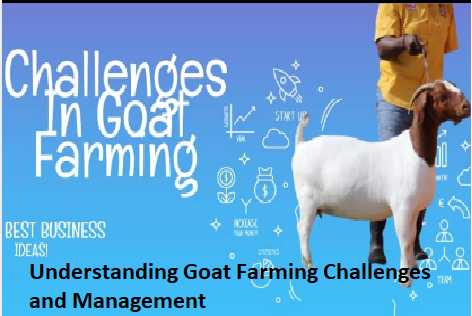
Navigating the complexities of goat farming challenges requires a blend of animal husbandry knowledge, financial planning, and environmental awareness. Producers often enter the industry expecting a low-barrier entry point, only to find that the biological requirements of these agile animals demand precise attention to detail.
Whether you are managing a small herd for milk or a larger operation for meat, identifying these hurdles early is the best way to ensure long-term viability. This overview covers the primary obstacles owners face, from health management to market fluctuations, providing a realistic look at how to sustain a productive agricultural enterprise.
Identifying the Primary Hurdles in Goat Production
The most significant goat farming challenges involve maintaining herd health in the face of parasitic pressure. Goats are notoriously susceptible to internal parasites, particularly the barber pole worm, which can devastate a herd in a matter of weeks. Unlike cattle, which graze lower to the ground less aggressively, goats have an innate curiosity that leads them to browse in ways that increase their exposure to larvae.
Internal parasites are the leading cause of mortality in small-scale operations. Farmers must implement a strict deworming rotation to avoid the development of drug-resistant parasite strains. Relying solely on chemical intervention is often a losing battle, forcing producers to adopt rotational grazing techniques to break the parasite life cycle.
Another major hurdle is the sheer labor intensity required for daily management. Goats require constant monitoring for signs of illness or injury, as they are prey animals that often hide their discomfort until a condition becomes critical. This level of supervision means that even a modest herd of 20 goats can consume several hours of manual labor every single day.
Economic Realities and Financial Planning
Profitability in the goat industry is rarely a “get rich quick” scenario. Many new farmers overlook the high cost of high-quality supplemental feed, which is often necessary during winter months or periods of drought. When you calculate the cost of hay, minerals, and veterinary care, the margins on meat or milk can be thinner than expected.
Market access is another variable that dictates success. In many regions, the infrastructure for goat processing is limited, forcing farmers to sell through informal channels or transport animals long distances to reach a certified slaughterhouse. This logistical bottleneck directly impacts the bottom line and limits the scale of potential operations.
| Expense Category | Estimated Annual Cost per Head |
|---|---|
| Supplemental Feed | $120 – $180 |
| Veterinary & Medications | $40 – $70 |
| Fencing & Infrastructure | $50 – $90 |
| Mineral Supplements | $15 – $25 |
Managing Herd Health and Mortality
Disease prevention is the bedrock of a stable farm. Common ailments like Caseous Lymphadenitis (CL) and Caprine Arthritis Encephalitis (CAE) can cripple a herd’s productivity and value. Testing for these conditions is an essential, though often overlooked, aspect of goat farming challenges.
Biosecurity protocols must be absolute to prevent the introduction of pathogens from new stock. Bringing in a single untested goat can jeopardize the health of an entire established herd. Experienced farmers recommend a mandatory quarantine period of at least 30 days for any new arrival before introducing them to the main group.
Environmental management plays a role in health outcomes as well. Goats are intolerant of damp, cold conditions and require dry, well-ventilated housing to prevent respiratory issues. Building structures that provide adequate shelter while maintaining airflow is a constant challenge for those in high-rainfall or humid climates.
Infrastructure and Fencing Requirements
Goats are renowned for their ability to escape virtually any enclosure. A fence that holds cattle or sheep will rarely contain a goat, as they will push, climb, or squeeze through any gap they find. Investing in high-tensile woven wire fencing is the standard, but it represents a significant upfront capital expenditure.
Maintaining this infrastructure is a perpetual task. Trees falling on fence lines or posts heaving during winter thaws create weak points that clever goats exploit within minutes. If your fencing is not secure, you face the dual risk of losing your livestock to predators and the liability of animals wandering onto neighboring properties or roads.
Predator control is intrinsically linked to infrastructure. Coyotes, stray dogs, and local wildlife present a constant threat to kids and smaller breeds. Many farmers find it necessary to invest in livestock guardian dogs or reinforced perimeter lighting to mitigate these losses.
The Complexity of Nutritional Needs
Goats have highly specific dietary requirements that differ significantly from other ruminants. They are browsers, not grazers, meaning they prefer to eat leaves, shrubs, and weeds rather than short grass. Providing a balanced diet requires access to diverse vegetation and high-quality mineral blocks designed specifically for goats.
Copper deficiency is a common issue that stunts growth and compromises immune function. Conversely, excessive copper can be toxic, creating a very narrow window for proper supplementation. Farmers must work closely with local extension offices to understand the mineral profile of their soil and forage to avoid these imbalances.
Effective pasture management involves rotating goats through different paddocks to encourage regrowth and reduce parasite exposure. This requires subdividing land with temporary electric fencing, which adds another layer of complexity to daily chores. Without a proper rotation plan, the land will quickly become overgrazed and depleted.
Navigating Regulatory and Zoning Hurdles
The regulatory environment for livestock production can be daunting. Depending on the local jurisdiction, you may face strict zoning laws regarding how many animals you can keep on a specific acreage. Understanding these statutes before purchasing land or animals is a critical step in avoiding legal trouble.
Selling products like raw milk introduces a different set of government regulations. In many regions, the sale of unpasteurized dairy is heavily restricted or outright illegal, which limits the potential revenue streams for small-scale dairy goat farms. You can learn more about these requirements through the United States Department of Agriculture official resources on livestock health and trade.
Waste management is another often-cited issue. As your herd grows, so does the volume of manure that must be handled and composted. Failing to manage waste properly can lead to groundwater contamination and complaints from neighbors, which can quickly shut down an operation.
The Reality of Breeding and Reproduction
Successful reproduction is the engine of a profitable farm, but it is fraught with complications. Birthing, or “kidding,” usually happens in the spring, which is a high-stress time for farmers. Managing difficult births, or dystocia, requires experience and the ability to act quickly when a kid is in the wrong position.
Kid mortality is a reality that every farmer must face. Even with the best care, some kids will fail to thrive or suffer from congenital issues. Having a supply of colostrum on hand and knowing how to tube-feed a weak kid can be the difference between life and death during the first 24 hours of life.
Selective breeding is essential for long-term improvement, yet it requires keeping accurate records of pedigrees and traits. Farmers must track birth weights, milk yields, and temperament to make informed decisions about which animals to keep and which to cull. Neglecting these records leads to a stagnant herd with declining quality over generations.
Marketing and Sales Strategies
Finding a reliable buyer is the final step in the production cycle. Many producers struggle with the seasonality of the market, as prices often fluctuate based on holidays and religious festivals. Timing your breeding cycles to ensure your animals reach market weight during peak demand is a sophisticated strategy that takes years to master.
Direct-to-consumer sales can yield higher margins but require significant effort in marketing and customer service. Managing a social media presence, coordinating farm visits, and handling individual sales transactions are tasks that take time away from actual animal care. Most successful farmers eventually find a balance between wholesale markets and local retail sales.
* Establish a consistent breeding calendar to time sales with peak demand.
* Build relationships with local butchers to ensure processing capacity.
* Maintain clean, professional facilities to attract high-end buyers.
* Diversify income by selling manure or breeding stock alongside meat or milk.
* Join local producer cooperatives to share logistics and marketing costs.
FAQ: Common Concerns for Prospective Farmers
What is the most difficult part of raising goats?
The most difficult aspect is typically the high level of vigilance required for parasite management and predator protection. Goats are fragile in their health and clever in their attempts to escape, meaning you cannot “set it and forget it” like you might with some other types of livestock.
How many acres do you need for a herd?
The required acreage depends entirely on the forage quality and your management intensity. A general rule of thumb is 6 to 8 goats per acre if you are using intensive rotational grazing, but this requires significant supplemental feed and active paddock management to prevent overgrazing.
Do goat farmers make a good living?
Profitability varies wildly based on your business model and scale. Most small-scale farmers view it as a supplemental income or a lifestyle pursuit rather than a primary salary, as the costs of feed, veterinary care, and infrastructure often absorb the majority of the revenue generated from sales.
Are goats harder to raise than sheep?
Goats are generally considered more “active” and prone to health issues than sheep. They have different digestive needs and are more susceptible to internal parasites, which makes them more labor-intensive for the average beginner who may not have previous experience with ruminant health.
What is the biggest mistake beginners make?
The most common mistake is underestimating the cost of infrastructure and the time required for daily maintenance. Many beginners purchase animals before they have a secure, predator-proof facility in place, leading to immediate losses that could have been avoided with better planning.
Conclusion
Managing goat farming challenges is a continuous process of learning and adaptation. While the hurdles regarding health, infrastructure, and market access are real, they are not insurmountable for those who approach the endeavor with preparation and patience. By focusing on strong biosecurity, proactive health management, and a realistic financial plan, you can build a resilient operation.
Remember that the most successful producers are those who prioritize the well-being of their animals and stay informed about the latest agricultural best practices. As you move forward, continue to observe your herd closely and seek advice from experienced local farmers to help navigate the specific environment of your region.
