

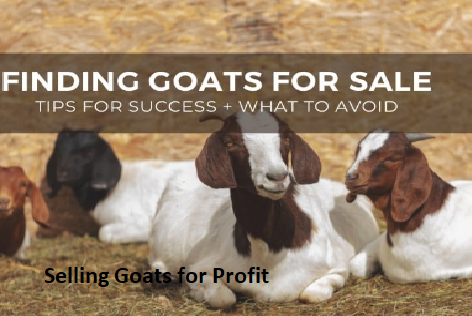
Entering the livestock industry by selling goats for profit requires a firm grasp of market dynamics, breed selection, and operational overhead. While many beginners view goat farming as a simple hobby, transforming it into a reliable income stream demands strategic planning and consistent management. You can expect to generate revenue through meat production, dairy sales, or breeding stock, depending on your local demand and infrastructure.
This article breaks down the essential financial benchmarks and operational requirements to help you decide if this agricultural venture aligns with your goals. By focusing on high-demand breeds and efficient feed management, you can build a sustainable model that turns your herd into a consistent source of revenue.
Financial Realities and Expected Revenue
Most small-scale operations report that selling goats for profit yields a net margin between 15% and 25% after accounting for feed, veterinary care, and housing. Market prices for meat goats, such as the Boer breed, fluctuate based on seasonal demand, specifically peaking during major religious holidays like Eid al-Adha and Easter. On average, a healthy, market-ready meat goat can sell for $150 to $300 depending on the animal’s weight, age, and local auction conditions.
You must track your “cost per pound of gain” to ensure your selling price significantly exceeds your input costs. If your feed expenses climb too high, your profit margins will vanish, leaving you with a labor-intensive hobby rather than a viable business.
Selecting the Right Breed for Your Market
Your choice of breed dictates your primary revenue stream and your target buyer base. Meat-focused producers typically gravitate toward Boer or Kiko goats because of their rapid growth rates and superior muscle-to-bone ratios. Dairy farmers, conversely, often select Nubian or Saanen goats for their high milk yields and protein content.
If you are selling goats for profit in the dairy sector, you must invest in sanitary milking facilities and secure permits for raw milk sales, which vary by state. Breeding stock offers a different path where you sell registered animals to other farmers at a premium price. Research your local region to determine which sector—meat, dairy, or show-quality breeding—has the strongest unmet demand.
Land Management and Herd Density
Efficient land use is a critical factor in maintaining profitability, as overgrazing leads to expensive supplemental feeding and soil degradation. A common rule of thumb is that you can support 6 to 8 goats per acre depending on the quality of your forage and the intensity of your rotational grazing system. If you try to crowd too many animals into a small space, you will encounter higher parasite loads and increased veterinary bills.
Rotational grazing prevents these issues by moving goats between paddocks, allowing the pasture to recover and reducing the need for chemical dewormers. This practice also boosts your bottom line by maximizing the nutritional value of your existing land.
Operational Expenses and Cost Control
The largest recurring expense for any goat operation is high-quality hay and supplemental grain, especially during winter months. You can improve your margins by producing your own hay or utilizing seasonal cover crops to minimize external feed purchases. Veterinary costs are another major variable, as routine vaccinations, hoof trimming, and emergency care can quickly erode your profits.
Maintaining a clean, dry environment for your animals is the best preventative measure against common ailments like foot rot or pneumonia. Always keep a detailed ledger of every expense, from mineral blocks to fencing repairs, to identify where your money is actually going.
The Role of Direct-to-Consumer Sales
Selling directly to consumers often yields higher prices than selling through traditional livestock auctions. By marketing your goats as locally raised, hormone-free, or pasture-raised, you can tap into a premium segment of the market. Many successful farmers find that building relationships with local ethnic grocery stores or community members leads to repeat business at better price points.
You should also consider the legal requirements for processing goat meat, as some states require USDA-inspected facilities for retail sales. Establishing a professional presence online or at local farmers’ markets can help you bypass the “middleman” fees associated with large-scale auction houses.
Comparison of Goat Farming Revenue Streams
| Revenue Source | Typical Price Range | Primary Overhead |
| :— | :— | :— |
| Meat Goats (Auction) | $150 – $250 | Feed, Pasture, Vet |
| Dairy (Milk/Cheese) | $5 – $12 per gallon | Milking Equipment, Labor |
| Breeding Stock | $400 – $1,200+ | Registration, Genetics |
| Fiber (Cashmere/Mohair) | $20 – $50 per pound | Shearing, Processing |
Essential Equipment and Infrastructure Assets
Successful producers prioritize durable infrastructure that reduces daily labor requirements and keeps the herd secure from predators. You will need a significant initial investment for fencing, as goats are notoriously skilled at finding gaps in wire or wood.
High-tensile woven wire fencing is generally considered the gold standard for predator control and herd containment. Beyond fencing, your basic asset list should include:
-
- Sturdy, draft-free shelters with adequate ventilation to prevent respiratory issues.
-
- Automated water systems to ensure constant access to clean, fresh water.
-
- Individual stalls for kidding and isolating sick animals for treatment.
-
- Portable scales to track weight gain and ensure animals reach market targets.
-
- Basic medical kits including thermometers, antiseptic, and deworming tools.
Marketing and Seasonal Demand Cycles
Strategic timing is essential when selling goats for profit, as the market is highly seasonal. Many farmers plan their breeding cycles so that kids are ready for market just in time for high-demand holidays. Prices often spike during specific months, and having a “finished” animal ready exactly when supply is low can double your profit per head.
Use the United States Department of Agriculture market reports to track current price trends in your region and adjust your production schedule accordingly. Networking with other producers in your area can also provide insights into when local buyers are most active and what specific weights they are looking for.
Common Pitfalls to Avoid
Many new farmers fail because they underestimate the time commitment required for daily herd health checks. Skipping these checks allows minor issues like parasites or injury to become expensive, life-threatening problems. Another common error is failing to maintain a closed herd, which introduces new diseases that can devastate your profits.
Always quarantine new animals for at least 30 days before introducing them to your established group. Finally, avoid the temptation to over-expand before your systems are proven; start with a small, manageable number of goats to learn the ropes before scaling up your operation.
Frequently Asked Questions
How many goats do I need to make a full-time living?
Most experts suggest you need a herd of at least 100 to 200 productive does to generate a full-time income, depending on your local cost of living. This scale requires significant land, automated equipment, and a well-established supply chain for your products.
What is the most common reason for profit loss in goats?
Poor parasite management is the leading cause of financial loss in the goat industry. If left unchecked, internal parasites reduce growth rates, lower milk production, and significantly increase your veterinary expenses.
Do I need expensive equipment to start?
You do not need high-end machinery to begin, but you do need secure fencing and reliable shelter. You can scale your equipment as your revenue grows, prioritizing items that reduce manual labor or improve the health of the herd.
Is it better to sell at auction or private treaty?
Private treaty sales usually offer better profit margins because you avoid auction commissions and transport fees. However, auctions provide a quick, guaranteed way to move large numbers of animals when you need to clear your inventory.
How do I calculate my break-even point?
Your break-even point is determined by adding your total annual costs—including feed, vet care, land taxes, and depreciation—and dividing that by the number of goats you plan to sell. You must sell each animal above this figure to achieve a profit.
The path toward selling goats for profit is built on rigorous record-keeping and careful attention to animal health. By focusing on efficient grazing practices and targeting specific market windows, you can transform a small herd into a reliable income source. Success rarely happens overnight, so prioritize building a sturdy infrastructure and learning the nuances of your local market before attempting to scale your operations significantly.
Stay disciplined with your budget, monitor your feed conversion rates, and always keep your herd’s welfare at the center of your strategy. If you remain consistent and data-driven, you will find that the goat industry offers a rewarding way to build agricultural equity. Reach out to local agricultural extension offices to connect with mentors who can offer specific advice for your climate and region.
