

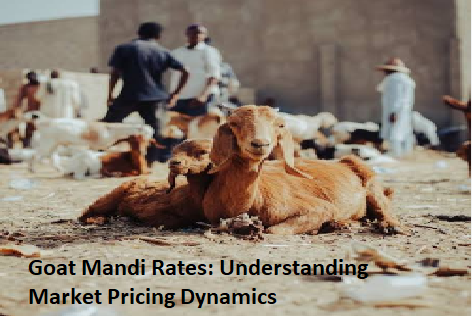
Tracking goat mandi rates is essential for farmers, livestock traders, and consumers who need to understand the shifting value of small ruminants in local and regional markets. Prices fluctuate significantly based on seasonal demand, animal weight, breed quality, and the proximity of major religious festivals. By monitoring these fluctuations, you can time your sales or purchases to maximize financial efficiency.
Market participants currently observe a wide variance in goat mandi rates, often ranging from $4 to $8 per kilogram of live weight depending on the region and the specific breed. For high-quality meat breeds like the Boer, prices frequently sit at the higher end of this spectrum due to superior growth rates and carcass yield.
Conversely, local or indigenous breeds might trade at more moderate levels, often influenced by the immediate supply-demand gap in regional livestock hubs. Always verify current local listings, as these prices are highly sensitive to transport costs and regional feed availability.
Factors Influencing Livestock Market Pricing
The primary driver of price is the animal’s physical condition and age. Buyers prioritize healthy, active animals with a good body score, as these traits indicate higher meat quality and better health outcomes. A goat that shows signs of lethargy or poor coat condition will consistently trade at a discount compared to a robust, well-fed counterpart.
Seasonality plays a massive role in how these figures fluctuate throughout the calendar year. During major religious holidays, such as Eid al-Adha, demand spikes sharply as households prepare for traditional animal sacrifices.
During these windows, you should expect prices to climb by 20% to 40% above the annual average. Once these periods conclude, market rates typically correct downward as demand normalizes and inventory remains high.
Geography also dictates the final price point for any given transaction. Proximity to major urban centers often increases the cost because of the associated logistics, labor, and transport expenses required to bring livestock to the city. Rural markets, being closer to the source of production, often offer more competitive rates for those willing to handle their own transportation.
Evaluating Live Weight Versus Carcass Yield
Understanding the distinction between live weight and carcass yield is vital for anyone calculating profit margins. A goat’s live weight is the total mass of the animal before slaughter, which is the standard metric used in most mandi settings. However, the actual meat yield is usually only 45% to 55% of that live weight.
When assessing value, experienced traders calculate the “dressing percentage” to determine if the asking price is justified. If a goat weighs 40 kilograms but has a low dressing percentage, the cost per kilogram of actual meat becomes significantly higher than it initially appears. This calculation is a fundamental skill for commercial buyers who need to ensure their margins remain positive after processing.
For a clearer look at how these factors interact, consider the following data points representing typical market scenarios for a standard medium-sized goat:
| Factor | Market Impact | Price Sensitivity |
|---|---|---|
| Live Weight (per kg) | Baseline Price | High |
| Breed Quality | Premium Markup | Medium |
| Holiday Demand | Seasonal Surge | Very High |
| Transport Distance | Logistics Surcharge | Low to Medium |
Breeds and Their Market Valuation
Different breeds carry distinct market reputations that directly influence their price. Meat-focused breeds like the Boer or specialized crossbreeds are highly sought after by commercial feedlots. These animals are valued for their rapid weight gain and efficient feed conversion ratios, making them a preferred choice for large-scale production.
Smaller, hardier breeds like the Black Bengal or local mountain varieties often command a different type of interest. While they may not reach the same massive weights as commercial breeds, they are prized for their meat texture and flavor. In niche markets, these local breeds can sometimes fetch a premium price because of their specific culinary applications.
You should always research which breeds are dominant in your local area before finalizing a purchase or sale. Entering a market with a breed that is not in high demand can leave you with limited bargaining power. Aligning your inventory with local consumer preferences ensures that your animals remain liquid assets regardless of the general market trend.
The Role of Feed Costs in Pricing
Feed is the single largest variable cost in livestock production, and it exerts a direct pressure on the floor price of animals. When grain and hay prices rise due to droughts or supply chain disruptions, farmers pass these costs on to the consumer. A high-cost environment usually forces breeders to hold animals longer or sell them at higher prices to recoup their investment.
Strategic producers often mitigate this by utilizing grazing rotation, which reduces the reliance on expensive commercial concentrates. If you are buying goats, inquiring about how the animal was finished—whether on pasture or grain—can provide insight into the value of the meat. Grain-finished animals often have better marbling, which is a key quality indicator for high-end butchers and restaurants.
Understanding the input costs allows you to anticipate when rates might shift. If a region has experienced a poor harvest, you can reasonably expect the price of livestock to increase within a few months. Proactive monitoring of agricultural commodity reports helps you stay ahead of these inevitable price cycles.
Strategic Timing for Market Entry
Timing your entry into the livestock market involves more than just watching the calendar for holidays. It requires an understanding of the production cycle and the timing of peak supply. Often, farmers dump inventory during certain months, which creates a temporary surplus and drives prices down.
If you are a buyer, these periods of high supply are the best times to acquire stock for breeding or fattening. Conversely, if you are a seller, you should aim to hold your animals until the market tightens. This usually happens in the months immediately preceding periods of high demand, when inventory is scarce but buyer interest is beginning to build.
Maintain a log of local prices over the course of a year to identify these recurring patterns. Most markets follow a predictable rhythm that repeats annually. By mapping out these trends, you can transition from reactive trading to a proactive strategy that favors your bottom line.
Health and Veterinary Documentation
Health documentation is an often overlooked factor that can significantly impact the sale price of an animal. A goat accompanied by a verified vaccination record and a clean bill of health from a veterinarian is worth more than one with an unknown history. Commercial buyers and professional farmers are usually willing to pay a premium for the peace of mind that comes with certified health status.
Preventative care, such as deworming and routine checkups, is a low-cost investment that pays dividends at the point of sale. An animal that looks healthy, with a bright eye and a shiny coat, communicates its value immediately. Neglected animals, even those of good breeding, are often viewed as a liability, forcing the seller to accept lower rates.
For more information on ensuring livestock health and regulatory standards, you can visit the USDA Animal and Plant Health Inspection Service to understand the best practices for biosecurity. Following these guidelines helps maintain market confidence. It also ensures that your livestock meets the necessary criteria for transport and sale across different jurisdictions.
Essential Considerations for Buyers and Sellers
Whether you are a novice or an experienced hand, there are several fundamental steps to ensure you are getting a fair deal. Always inspect the animal in person before finalizing any transaction. Photos and verbal descriptions are notoriously unreliable in the livestock trade, where subtle defects can significantly lower an animal’s value.
* Verify the age of the goat by inspecting its teeth to ensure it matches the seller’s claims.
* Observe the animal’s movement to detect any signs of lameness or joint issues.
* Check for signs of respiratory distress, such as coughing or heavy nasal discharge.
* Confirm the weight using a reliable scale rather than relying on visual estimation.
* Negotiate based on the current market range for the specific breed and condition.
Sticking to these steps protects you from common pitfalls, such as overpaying for an aging animal or buying livestock with hidden health issues. A transparent transaction process builds trust between parties, which is invaluable in the close-knit community of livestock traders. Always document the transaction and keep records for your own financial tracking.
Common Questions About Goat Pricing
What is considered a fair price for a goat?
A fair price is subjective and depends entirely on the breed, weight, and current local supply. You should establish a baseline by visiting multiple sellers and comparing the rates for similar animals. If you see a price that is significantly lower than the average, be cautious, as it may indicate health problems or poor underlying genetics.
How do I determine the market price for goats in my area?
The most reliable way is to visit local livestock auctions or mandi sites in person. Many regions also have online forums or agricultural social media groups where farmers report recent sale prices. Compiling data from these sources over a few weeks will give you a clear picture of the current range.
Does the breed of the goat change the price per kilogram?
Yes, breeds bred specifically for meat production, like the Boer, almost always command a higher price per kilogram. Their faster growth rates and better muscle-to-bone ratio make them more profitable for the end buyer. Indigenous breeds may be cheaper, but they might not provide the same yield or growth performance.
How much meat can I expect from a 100-pound goat?
You should generally expect a carcass yield of about 45% to 50% from a 100-pound live animal. This means you will likely get between 45 and 50 pounds of actual meat after the bones, fat, and organs are removed. Keep in mind that individual variations in body condition will affect this final yield percentage.
Are goat mandi rates higher during specific times of the year?
Yes, prices consistently rise during major religious festivals and holidays. Demand for fresh meat spikes during these times, leading to a temporary shortage in the market. If you plan to sell, timing your harvest to coincide with these events can significantly boost your total revenue.
Navigating the Livestock Market
Successfully managing your involvement in the livestock trade requires a blend of market awareness and practical skill. By keeping a close watch on goat mandi rates, you can make informed decisions that protect your capital and improve your returns. Remember that the market is a dynamic environment, and the most successful participants are those who adapt to change rather than hoping for static conditions.
Focus on the quality of your animals and the timing of your transactions to gain an edge over the average trader. Whether you are dealing with a few head or a large herd, the principles of supply, demand, and health remain the same.
Continue to refine your knowledge, build relationships with reputable breeders, and stay disciplined in your financial record-keeping. Your commitment to understanding these market cycles will serve you well in the long run.
