

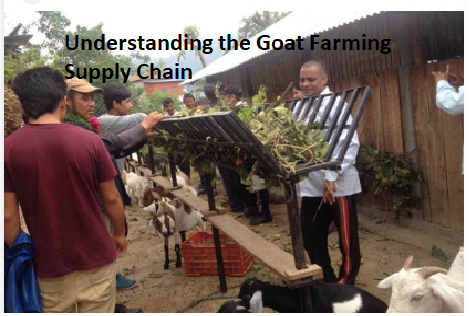
Understanding the intricacies of the goat farming supply chain is essential for producers aiming to transition from subsistence operations to market-oriented enterprises. By mapping the journey from farm gate to consumer plate, farmers can identify bottlenecks that erode their profit margins and discover opportunities for value addition.
This analysis explores the structural components of the industry, the logistical demands of livestock distribution, and the economic variables that dictate success in a modern agricultural environment. Whether you are managing a small herd or scaling toward industrial production, mastering these logistics provides the competitive edge necessary to thrive in an increasingly complex food market.
The Core Economics of Goat Production
The profitability of a goat farming operation depends heavily on how efficiently the producer integrates into the broader goat farming supply chain. For a standard commercial operation, the break-even point is often reached when the herd size reaches at least 50 to 100 breeding does. At this scale, the fixed costs of infrastructure—such as fencing, housing, and veterinary services—can be spread across a larger number of marketable kids.
Direct-to-consumer sales represent the most lucrative segment for small-scale farmers, often yielding 20% to 30% higher returns than selling through traditional livestock auctions. In these auctions, the middleman structure takes a significant portion of the value, leaving the producer with the narrowest margins. Farmers who invest in processing their own meat or milk products can capture more of the retail value, though this requires compliance with local health regulations and additional capital investment.
Logistics and Transportation Requirements
Transporting live animals is one of the most significant cost centers and risk factors within the supply chain. Stress during transit directly impacts the quality of the end product, potentially leading to lower carcass yields or meat quality degradation in slaughter-bound animals. Producers must utilize specialized trailers that provide adequate ventilation and space to prevent injury or heat stress.
The cost of logistics varies by distance, but as a general rule, transport should not exceed 10% of the total animal value to maintain economic viability. Many small farmers mitigate these costs by forming cooperatives, allowing them to pool their livestock for larger, more cost-effective shipments to regional processing centers. This collective bargaining power also helps farmers negotiate better prices when dealing with larger buyers or distributors who prefer consistent, high-volume supply.
Market Channels for Goat Products
Farmers have several avenues to move their products, ranging from informal local markets to formal retail chains. The choice of channel determines the frequency of cash flow and the level of required documentation. Most producers rely on a mix of the following channels to balance volume and price.
- Direct-to-consumer: Selling live goats for holiday markets or butchered meat directly to local households.
- Livestock auctions: Providing immediate liquidity but often resulting in lower prices due to market volatility.
- Contract farming: Establishing long-term agreements with processors or retailers for a consistent supply.
- Specialty retailers: Supplying niche ethnic markets that prioritize specific breeds or age classes of goats.
- Restaurant partnerships: Selling high-quality cuts to local farm-to-table establishments at a premium price.
Processing and Value Addition
The processing stage is where the goat farming supply chain often experiences the most significant value appreciation. Raw live weight is worth considerably less than processed meat, yet the transition requires investment in certified abattoirs or milk pasteurization facilities. Small-scale farmers often lack access to these facilities, forcing them to sell live animals to intermediaries who perform the slaughter and butchery.
When a farmer gains access to a licensed processing facility, they can produce value-added items such as artisan cheeses, yogurt, or specific primal cuts. These products have a longer shelf life and reach a wider market than raw, perishable meat. For those interested in the official standards and regulations governing these processes, the United States Department of Agriculture provides comprehensive guidelines on livestock marketing and processing standards.
Comparing Profitability by Sales Channel
The following table illustrates the general relationship between the channel used and the potential profit margin for a standard meat goat. These figures are estimates based on typical market conditions and can vary significantly based on regional demand and the specific quality of the livestock provided.
| Sales Channel | Margin Potential | Logistics Complexity |
|---|---|---|
| Local Livestock Auction | Low | Minimal |
| Direct-to-Consumer (Live) | Medium | Moderate |
| Retail/Butcher Shop | High | High |
| Direct-to-Restaurant | Very High | High |
Managing Feed and Input Costs
Feed represents the largest ongoing expense in the goat farming supply chain, typically accounting for 60% to 70% of total operational costs. Farmers who rely on purchased commercial feed are highly susceptible to global grain price fluctuations, which can erode margins overnight. Efficient producers often utilize rotational grazing systems to minimize the need for supplemental hay or grain, significantly reducing the external input requirements.
Strategic land management allows the herd to harvest their own food, which effectively turns the farm into a self-sustaining production unit. When supplementation is necessary, purchasing in bulk during off-peak seasons can lead to significant cost savings compared to buying small quantities throughout the year. Farmers must balance the nutritional needs of the herd—particularly during late pregnancy and lactation—against the cost of high-protein feed supplements to maintain optimal growth rates.
Quality Control and Standardization
Market demand is increasingly driven by product consistency, which remains a major challenge in the goat industry. Buyers, particularly retail chains, require uniform weights and carcass quality, which is difficult for small, independent producers to guarantee. Implementing standardized breeding programs that focus on specific meat-producing breeds, such as Boer or Kiko, helps create a more predictable, high-quality product.
Record-keeping is the backbone of quality control, allowing farmers to track growth rates, health history, and lineage. This data is invaluable when negotiating with larger buyers who want to see evidence of good animal husbandry and consistent production cycles. By professionalizing these records, farmers can move away from being price-takers and instead become reliable suppliers who command a premium in the market.
The Role of Technology in Distribution
Digital tools are transforming how the goat farming supply chain operates by connecting producers directly to buyers and reducing information asymmetry. Online marketplaces and social media platforms now allow farmers to advertise their livestock to a national audience, bypassing local auction houses that may underprice their stock. These platforms also facilitate better price discovery, as farmers can compare what their peers are charging across different regions.
Advanced inventory management software now allows even small producers to track their herd’s health and sales history on a smartphone. This visibility makes it easier to forecast supply levels, which is crucial for meeting the demands of high-volume buyers. As technology continues to lower the barrier to entry for market data, the power dynamic in the supply chain is shifting slightly toward the producer.
Frequently Asked Questions
How many acres do you need to raise 100 goats?
The amount of land required depends on the soil quality and rainfall, but a standard rule of thumb is that you need one to two acres per goat for sustainable grazing. For 100 goats, you should plan for at least 100 to 200 acres if you are relying primarily on forage. If you use intensive rotational grazing, you may be able to manage them on significantly less land.
Is owning a goat farm profitable?
Goat farming can be highly profitable, but it requires a focus on market-specific production. Success usually depends on identifying a niche, such as high-quality meat production or dairy, and minimizing input costs through efficient grazing. Many profitable farms move beyond just selling live animals and engage in value-added processing to capture higher margins.
How many goats does it take to clear 1 acre?
If your primary goal is land clearing, goats are highly effective due to their preference for brush and woody plants. Generally, you can stock 10 to 15 goats per acre for intensive clearing operations. You must move them frequently to prevent overgrazing of desirable vegetation and to manage parasite loads effectively.
Where do goats bring the most money?
Goats typically bring the highest returns in ethnic markets that demand specific weights or religious-observance-compliant animals. Selling directly to consumers during major holidays often yields the highest price per head. Additionally, artisanal dairy products like goat cheese or soap provide higher profit margins than meat production alone.
What is the biggest risk in the goat supply chain?
The biggest risk is the fluctuation in market prices combined with the high cost of feed and veterinary care. Because the market for goat products is less standardized than for beef or pork, farmers can face sudden drops in demand or price. Building strong, direct relationships with local buyers and processors is the best strategy for mitigating this volatility.
The goat farming supply chain is a complex but manageable system for those who prioritize efficiency and market knowledge. By understanding the flow of goods from the pasture to the final retail point, producers can make informed decisions about their operations. Whether you are focusing on direct-to-consumer sales or supplying large-scale processors, the key is to reduce reliance on intermediaries and maintain strict control over your production costs.
As the demand for goat products continues to grow, those who master these logistical and economic realities will be the ones who build sustainable, long-term businesses. Start by refining your record-keeping and exploring local market opportunities to see where you can capture more value today.
