

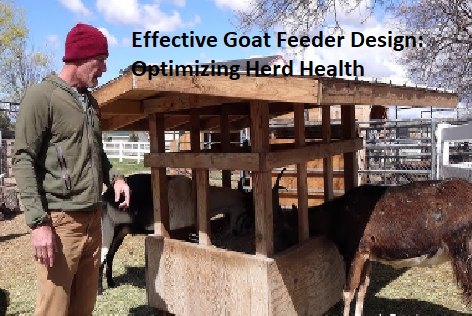
Efficient goat feeder design is the cornerstone of a healthy, productive herd because it directly impacts feed waste, parasite prevention, and overall animal wellness. Goats are notorious for their selective eating habits and their tendency to soil their food, which makes the architecture of their feeding station far more important than it is for many other livestock species.
By focusing on elevated structures and waste-reducing barriers, owners can save significant amounts of money on hay and grain while minimizing the risk of fecal-oral disease transmission. This article explores the essential principles behind creating functional feeding systems that stand up to the rigorous demands of a goat’s natural behavior.
The most critical factor in goat feeder design is elevation, which keeps hay off the ground to prevent contamination and waste. You should aim for a feeding height where the bottom of the hay rack is approximately 18 to 24 inches above the ground. This height prevents kids from climbing into the feeder while ensuring that adult goats can reach their food without undue strain on their necks.
When hay hits the floor, goats will trample it, urinate on it, and refuse to eat it, leading to a waste rate that can exceed 30% without a proper rack. Installing a catch tray directly beneath the hay rack is a secondary design feature that captures falling leaves and fine stems, allowing the animals to clean it up later.
The Mechanics of Waste Reduction
Goats are natural browsers that prefer to pull small mouthfuls of forage rather than eating from a pile. A well-designed feeder incorporates a slatted or mesh front that forces the animal to pull hay through small openings. This design prevents them from grabbing large clumps and tossing them over their shoulders, a common habit that results in massive feed loss. The spacing between these slats should be roughly 4 to 6 inches, which is wide enough for a goat’s muzzle but narrow enough to keep them from pulling out more than they can chew.
Material Selection and Durability
Choosing the right material for your structure depends on your budget and the number of animals in your herd. Pressure-treated lumber is commonly used for the frame, but you must ensure that any hardware or metal components are galvanized to prevent rust. Avoid using materials with sharp edges, protruding nails, or toxic paints that could harm the animals if they chew on them. Many successful managers utilize repurposed materials like heavy-duty plastic barrels or metal cattle panels, provided they are cleaned thoroughly and free of chemical residue.
| Feeder Type | Best Use Case | Waste Potential |
|---|---|---|
| Wall-Mounted Rack | Small barns/sheds | Low |
| Freestanding H-Frame | Open pasture | Moderate |
| Round Bale Feeder | Large herds | High (if not roofed) |
Designing for Environmental Protection
If your feeders are located outdoors, protecting the hay from rain and snow is non-negotiable. Wet hay becomes moldy very quickly, which can lead to serious respiratory issues and digestive upset in your herd. A simple roof structure or a hinged lid design can keep the forage dry even during heavy storms. For more information on maintaining forage quality, you can review the Purdue University Extension resources on livestock management and nutrition. Ensuring the roof has a slight overhang also keeps the surrounding ground from becoming a muddy mess during wet seasons.
Safety Considerations for Horned Animals
If you keep breeds that grow large, sweeping horns, your feeder design must account for the risk of entrapment. Goats are notorious for poking their heads into tight spaces and then panicking when they cannot easily pull them back out. Ensure that any openings in your design are either large enough for the head to move freely or small enough that a snout cannot be inserted at all. Avoid “V” shaped gaps in your framework, as these are the most common spots for a goat’s horns to become wedged.
Maintenance and Cleaning Protocols
Even the best feeder design will eventually accumulate dust, debris, and old, unpalatable hay stems. You should schedule a deep clean of your feeding area at least once every two weeks to remove buildup. A simple design with removable trays or hinged panels makes this task significantly easier for the caretaker. Using non-toxic cleaning agents or a simple power wash is usually sufficient to reset the station and keep the environment sanitary for your animals.
Strategic Placement within the Pasture
Where you place your feeder is just as important as how you build it. Positioning the feeder on high, well-draining ground prevents the area immediately around it from turning into a swampy quagmire. You should also consider rotating the location of your feeding station to prevent overgrazing and parasite buildup in one specific spot. Moving the structure every few weeks allows the underlying grass to recover and breaks the life cycle of common internal parasites.
Scalability for Herd Growth
When planning your build, consider how many goats you currently have versus how many you might have in the future. A feeder that is perfectly sized for three goats will quickly become a source of competition and aggression if you add three more. Providing enough linear footage for every goat to eat simultaneously is a key rule of thumb for reducing social stress in the herd. A good standard is to provide at least 12 to 15 inches of feeding space per adult goat to ensure the timid members of the herd get their share.
Common Mistakes to Avoid
Many beginners make the mistake of building feeders that are too deep, which forces goats to reach awkwardly and eventually climb inside. This behavior leads to contaminated feed and potential injuries from jumping. Another common error is using wire mesh that is too fine, which can trap a goat’s lower jaw or cause them to snag their ears. Always prioritize smooth surfaces and sturdy construction that can withstand the weight of a goat leaning or jumping against the structure.
Frequently Asked Questions
How high off the ground should a goat feeder be?
The ideal height for the bottom of the feed rack is between 18 and 24 inches. This elevation keeps the hay away from hooves and bedding while ensuring goats can reach it comfortably without straining their necks.
What is the best way to prevent goats from wasting hay?
Using a design that incorporates a narrow-slat front or a mesh grid is the most effective way to prevent waste. By forcing them to pull small amounts of hay at a time, you stop them from tossing large clumps onto the floor where they will be trampled.
Can I use a round bale feeder for goats?
You can use a round bale feeder, but it must be specifically designed for goats to prevent them from climbing inside the bale. A standard cattle round bale feeder is often dangerous because the gaps are large enough for a goat to get stuck or jump inside and defecate on the hay.
How much space per goat do I need at the feeder?
You should provide a minimum of 12 to 15 inches of linear feeding space for every adult goat in your herd. This spacing reduces competition and allows even the lowest-ranking goats in the social hierarchy to eat without being bullied away from the food.
Why is it important to keep the feeding area clean?
Goats are highly susceptible to internal parasites that are often transmitted through fecal contamination of feed. Keeping the feeder clean and elevated prevents the goats from consuming forage that has been in contact with manure, significantly reducing the frequency of parasite-related health issues.
Summary and Next Steps
Refining your goat feeder design is an investment in the long-term health and efficiency of your farm. By focusing on proper elevation, appropriate slat spacing, and moisture protection, you can drastically reduce the amount of wasted forage while keeping your herd safe from common hazards. Start by evaluating your current setup to see where simple modifications, such as adding a catch tray or adjusting the rack height, could yield immediate improvements. As you observe your animals’ feeding patterns, you can continue to iterate on these designs to better suit your specific breed and management style. Building a system that works for your unique barn layout will save you time and money for years to come.
