

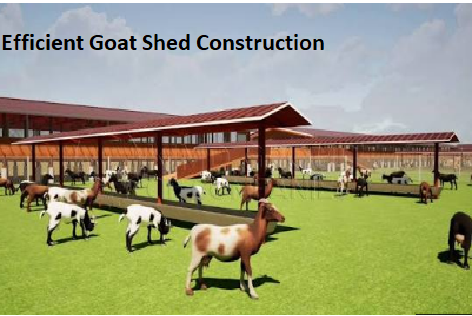
Planning effective goat shed construction requires balancing animal physiology with environmental protection. Goats are notoriously sensitive to moisture, drafts, and extreme temperatures, making their housing a critical component of herd health and productivity. Proper shelter design prevents pneumonia, reduces parasite loads, and keeps your animals content throughout the changing seasons.
The primary requirement for a functional structure is providing at least 12 to 15 square feet of interior space per adult goat. This minimum ensures enough room to move, lay down without being trampled, and maintain social hierarchy without excessive fighting. You should always build slightly larger if you intend to include a kidding area or storage for hay and equipment within the same footprint.
Foundational Requirements and Site Selection
Selecting the right location is the first step in successful goat shed construction. You must prioritize high ground that naturally sheds water away from the structure. A site prone to muddy puddles will inevitably lead to foot rot and respiratory issues in your herd.
Orient the shed to face south or southeast in the Northern Hemisphere to maximize natural light and warmth during winter. This positioning also helps the structure avoid the brunt of prevailing cold winds. Ensure the ground is level or has a slight slope that you can grade before pouring a foundation or setting posts.
Consider the proximity to your main water source and existing fencing lines to minimize daily labor. If you have to haul water across a snowy field every morning, you will quickly regret a poorly chosen site. A well-drained gravel base, at least 4 to 6 inches deep, is highly recommended to provide a dry, stable floor that resists moisture buildup.
Structural Design and Material Selection
Durability is the hallmark of professional-grade goat shed construction. While you can use salvaged materials, ensure they are free of toxic residues like lead paint or creosote. Framing should typically be done with pressure-treated lumber for any parts in direct contact with the ground, such as posts or skids.
Walls can be constructed from exterior-grade plywood, metal siding, or pallet wood if properly sealed. Avoid using materials that goats will chew, such as soft, splintery woods, or ensure they are covered with wire mesh. Metal roofing is superior to shingles because it sheds snow and ice efficiently and lasts significantly longer in harsh weather.
Ventilation is more important than total enclosure in a goat shed. Build high-up vents or leave a gap between the top of the wall and the roofline to allow moist air and ammonia to escape. This prevents the buildup of condensation, which is the leading cause of respiratory illness in confined livestock.
Space Allocation and Interior Layout
Understanding the spatial needs of your herd is vital during the design phase. A crowded shed leads to bullying and increased stress, which lowers milk yield and growth rates. You must calculate your square footage based on your mature herd size while accounting for potential future growth.
| Animal Type | Required Space (sq ft) | Note |
| :— | :— | :— |
| Standard Adult Goat | 15 | Minimum for comfort |
| Miniature Breeds | 8 – 10 | Smaller footprint |
| Kidding Doe | 25 – 30 | Needs extra room |
| Weaned Kid | 6 – 8 | Growing phase |
If you plan to house bucks separately, they require their own dedicated space to prevent unwanted breeding and aggressive behavior. Incorporate internal partitions that are sturdy enough to withstand rubbing and leaning. Use heavy-duty gate latches that are goat-proof, as many breeds are clever enough to manipulate simple sliding bolts.
Essential Features for Herd Management
Effective goat shed construction goes beyond just four walls and a roof. You need to integrate specific features that make daily chores easier and keep the environment clean. A raised platform or “sleeping bench” is a popular addition because goats prefer to sleep off the cold, damp ground.
* Hay feeders: Mount these to the wall to prevent wastage and contamination.
* Mineral stations: Place these in a dry, accessible corner.
* Lighting: Install an LED fixture for checks during night-time kidding.
* Storage: Dedicate an area for feed bags and basic medical supplies.
Ensure that all feeders and waterers are positioned at a height that prevents them from being fouled by manure. Goats are messy eaters and will often stand in their feed if it is placed on the floor. A simple wall-mounted rack keeps hay fresh and encourages natural browsing behavior.
Managing Ventilation and Moisture Control
Moisture is the enemy of a healthy goat barn. Even in cold climates, goats generate significant body heat and moisture through their breath. Poor airflow traps this humidity against the walls, creating an ideal breeding ground for mold and bacteria.
You should aim for a “cold barn” design, which keeps the interior temperature close to the outside air while eliminating drafts. Use ridge vents or adjustable windows to manage airflow based on the season. If you smell ammonia when you walk inside, your ventilation system is likely inadequate and needs immediate modification.
Consult the eXtension Foundation for detailed resources on livestock housing standards and ventilation principles. Proper moisture control also extends to the flooring. A deep-litter method, where you add fresh bedding over soiled layers, can generate heat, but it requires diligent management to keep the top layer dry.
Safety Considerations and Predator Proofing
Safety is a non-negotiable aspect of goat shed construction. Goats are naturally curious and will investigate every loose board, nail, or gap. Remove all protruding screws, sharp metal edges, or splintered wood that could injure a curious animal.
Predator proofing is equally essential, especially if you live in an area with coyotes, stray dogs, or bobcats. Ensure that the door fits flush against the frame with no gaps larger than an inch. Use heavy-duty wire mesh for any windows or vents to prevent small predators from entering the enclosure.
Check your perimeter fence regularly in conjunction with your shed security. If a predator manages to get inside the shelter, the goats have nowhere to retreat. A secure, locking door is the best defense against nocturnal threats.
Maintenance and Long-Term Durability
Routine maintenance will significantly extend the lifespan of your structure. Check the roof for leaks after every major storm, as even a small drip can ruin bedding and cause health issues. Inspect the foundation posts annually for signs of rot or shifting due to frost heave.
Painting or sealing the exterior wood will protect it from UV damage and moisture absorption. Use animal-safe, non-toxic exterior stains or paints. If you use a metal roof, check that the screws are tight and that the rubber gaskets haven’t perished, which is a common source of leaks after five or six years.
Clean out the shed thoroughly at least twice a year. Power wash the walls if possible, and allow the interior to dry completely before putting down new bedding. This cycle disrupts the life cycle of internal parasites and keeps the environment sanitary for your herd.
Budgeting for Your Goat Shelter
The total cost of your project depends on your material choices and whether you are building from scratch or repurposing an existing structure. Using reclaimed lumber or corrugated metal sheets can reduce costs by nearly half. Conversely, purchasing pre-fabricated kits or premium materials will increase the price significantly.
Budget for high-quality hardware, such as hinges and latches, as these are the first parts to fail under the stress of daily use. Do not skimp on the flooring, as a dry base is the most important factor for animal health. Factor in the cost of tools if you do not already own a circular saw, drill, and level.
Keep a detailed log of your expenses as you work. Unexpected costs like gravel delivery, concrete for footings, or extra fasteners often add 15% to 20% to the initial estimate. Planning for these contingencies prevents you from having to pause construction halfway through due to a lack of funds.
Frequently Asked Questions
What are the legal requirements for goat sheds?
Most municipalities have zoning laws that dictate how far a livestock structure must be from your property line or neighbor’s house. Check with your local building department to see if you need a permit for a structure of a certain size.
How do I prevent goats from destroying their shed?
Goats are natural chewers and climbers. Use metal corner guards on exposed wood, avoid interior bracing that provides a foothold, and ensure all electrical wiring is enclosed in conduit and completely out of reach.
Is a concrete floor necessary for a goat shed?
Concrete is easy to clean but can be cold and hard on the goats’ joints. A well-drained gravel floor topped with thick wood shavings or straw is generally preferred for comfort and natural insulation.
Can I use a metal shed for my goats?
Yes, but you must line the interior with wood or plywood to prevent the goats from damaging the metal panels and to provide insulation. Metal sheds can become extremely hot in the summer and dangerously cold in the winter without proper lining and ventilation.
What is the most common mistake in goat shed construction?
The most frequent error is failing to provide adequate ventilation. People often seal the shed too tightly to keep it “warm,” which traps moisture and ammonia, leading to severe respiratory health issues for the goats.
The success of your goat shed construction depends on your ability to prioritize the animal’s biological needs over aesthetic preferences. By focusing on proper ventilation, dry bedding, and predator-proof security, you create an environment where your herd can thrive. Take your time during the planning phase, measure twice, and ensure the structure is robust enough to handle both the environment and the inquisitive nature of your goats.
If you approach the build with a focus on long-term functionality, you will find that your maintenance requirements decrease significantly over time. Start by clearing your site and preparing a solid foundation, and you will be well on your way to providing a safe, comfortable home for your animals for years to come.
