

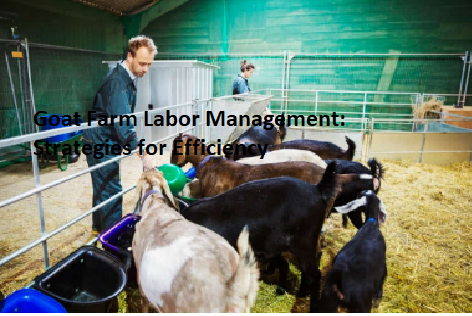
Effective goat farm labor management is the backbone of any successful small ruminant operation, as the time-intensive nature of daily care often dictates the profit margins of the business. By streamlining daily chores and adopting structured scheduling, farmers can reduce burnout and ensure that every hour spent in the barn contributes directly to herd health and production output.
The primary cost associated with hiring outside help for a goat operation typically ranges from $15 to $22 per hour in the United States, depending on the region and the level of expertise required. Managers who provide specialized training in breeding, medical administration, and hoof care often find that higher starting wages result in lower turnover and fewer costly mistakes. Investing in reliable staff is usually cheaper than dealing with the production losses caused by inexperienced handling or missed health signs.
Structuring Daily Farm Operations
Consistency is the most vital element of labor management on a goat farm because goats are creatures of habit that thrive on predictable routines. When labor tasks are standardized, employees spend less time wondering what to do next and more time observing the animals for signs of illness.
Create a clear daily checklist that covers essential tasks like feeding, watering, milking, and fence inspections. By assigning specific zones of the farm to individual workers, you minimize the risk of a chore being overlooked. Accountability increases significantly when one person knows they are solely responsible for the cleanliness of the maternity pens or the maintenance of the water troughs.
Use a digital or physical logbook to track daily observations, such as changes in feed intake or unusual behavior in specific pens. This documentation serves as a critical communication tool between shifts, ensuring that if a goat needs medical attention, the afternoon worker knows exactly what the morning worker observed. Effective communication systems prevent the “I thought someone else did it” syndrome that plagues many small farms.
Optimizing Milking and Feeding Schedules
Milking is the most labor-intensive part of a dairy goat operation and requires a highly disciplined approach to scheduling. If you are milking twice daily, your labor force must be available at the exact same time every morning and evening to maintain consistent milk yields and udder health.
Consider the layout of your milking parlor to reduce the number of steps an employee must take to move a goat from the holding area to the milking stand. An efficient parlor design, such as a double-eight herringbone, can significantly reduce the time spent per animal. Even small modifications, like installing automated gate latches, can save five to ten minutes per milking session, which adds up to hours of labor savings every single month.
Feeding protocols should be designed to minimize waste and heavy lifting, which are two of the biggest contributors to labor fatigue. Using automated feeders for concentrates or hay feeders that can be filled from outside the pen allows workers to distribute feed without entering every enclosure. When you reduce the physical barrier between the worker and the feed, you decrease the time required to complete the task while also improving biosecurity.
Managing Seasonal Labor Peaks
Kidding season represents the most demanding period of the year for goat farmers, often requiring 24-hour monitoring and significant physical exertion. During this time, your labor needs will likely double or triple compared to the rest of the year, necessitating a temporary increase in staff or a shift in focus.
Develop a “kidding roster” that clearly defines who is on call for night checks and who is responsible for the neonatal care of kids. Having an experienced hand available to assist with difficult births prevents high kid mortality rates, which is one of the most significant financial losses a farm can face. Providing temporary staff with clear protocols for identifying dystocia ensures that they know when to intervene and when to call the lead farmer.
Beyond kidding, seasonal tasks like hoof trimming, vaccinations, and parasite management require a surge in labor capacity. Many successful farms group these events into “work days” where extra help is brought in for a specific 8-hour shift to handle the entire herd at once. This approach is far more efficient than trying to catch individual goats for medical procedures throughout the week.
Training and Skill Development
A well-trained employee is significantly more productive than an untrained one, yet many farm owners fail to invest time in formal instruction. Start by creating a standard operating procedure (SOP) manual that outlines everything from how to mix milk replacer to how to safely restrain a buck for health checks.
Practical, hands-on training is essential for roles involving animal handling. Show your staff exactly how to approach a goat to minimize stress, as a calm animal is much easier to milk or medicate. When employees understand the “why” behind your management style, they are more likely to follow protocols consistently even when you are not there to supervise them.
The Penn State Extension livestock resources offer excellent educational materials that you can use to supplement your on-farm training programs. Encourage your staff to attend local workshops or seminars, as this demonstrates that you value their professional growth and are invested in their long-term contribution to the farm. Highly skilled staff are more likely to stay with an employer who provides them with the tools to excel.
Technology and Automation
Integrating technology into your goat farm labor management strategy can drastically reduce the number of manual hours required for daily maintenance. Automated water systems, for example, eliminate the need for daily manual filling and scrubbing of small troughs.
Consider investing in herd management software to track breeding dates, milk production, and health records. Instead of hunting through paper files for a goat’s vaccination history, an employee can pull up the data on a tablet or smartphone in seconds. This speed and accuracy allow for better decision-making and fewer administrative errors that cost time and money.
Activity monitoring collars or sensors are becoming increasingly popular for detecting estrus or early signs of illness in goats. While the initial capital investment is higher, the labor savings in terms of “watching” the herd are substantial. You no longer need a person physically present to identify a doe in heat or an animal that is off-feed; the system alerts you immediately.
Standardizing Farm Protocols
Efficiency relies on the elimination of guesswork, which is why standardized protocols are essential for any operation with more than one person involved. Every task, from cleaning the barn to mixing feed rations, should have a written procedure that is accessible to all staff members.
When a new employee joins the team, they should be able to refer to these documents to understand the farm’s expectations. This reduces the time you spend repeating instructions and ensures that tasks are performed to your specific quality standards. Update these documents annually to reflect changes in your herd size or farm infrastructure.
Use visual aids, such as color-coded charts for feeding amounts or posters depicting the body condition score (BCS) system, to guide staff performance. If an employee is unsure about how much feed a specific doe should receive, a simple chart on the feed room wall is more effective than a verbal conversation. These visual cues serve as permanent reminders of the farm’s operational goals.
Comparing Labor Costs by Farm Size
The scale of your operation dictates the type of labor management required, as a small homestead requires a different approach than a commercial dairy. Understanding the relationship between herd size and labor hours is critical for profitability.
| Herd Size | Full-time Staff | Part-time Staff | Annual Labor Hours |
| :— | :— | :— | :— |
| 10-20 Goats | 0 | 1 | 800 – 1,200 |
| 50-100 Goats | 1 | 1 | 2,500 – 3,500 |
| 200+ Goats | 2-3 | 2 | 6,000+ |
As shown in the table above, the jump from a small hobby herd to a commercial-sized operation requires a shift in how you manage your workforce. Smaller farms often rely on family labor, which is difficult to quantify but still carries an opportunity cost. Larger farms must move toward formal employment contracts and shift scheduling to maintain consistent production.
Health and Safety Management
Goat farm labor management must prioritize the physical safety of your employees, as working with livestock involves inherent risks. Ensure that all staff are trained in proper lifting techniques to prevent back injuries, which are common when moving heavy feed bags or handling large bucks.
Provide appropriate personal protective equipment (PPE), including gloves, boots, and masks for dusty environments. A workplace injury not only results in medical costs but also disrupts the entire farm schedule for days or weeks. Investing in a safe working environment is a primary component of retaining good help.
Establish clear emergency protocols for common incidents, such as a needle stick, a severe laceration, or a fire. Every employee should know where the first aid kit is located and who to call if the owner is off-site. A culture of safety reduces anxiety among staff and fosters a more professional and reliable working environment.
Frequently Asked Questions
How can I reduce the time spent on daily cleaning?
Focus on facility design by installing slatted floors or using deep-litter bedding systems that only require cleaning twice a year. If you must use traditional bedding, utilize mechanical equipment like skid-steer loaders to clear stalls instead of manual pitchfork labor.
What is the most effective way to track employee performance?
Use a combination of task-based checklists and periodic reviews of production metrics. If you notice a decline in milk production or an increase in health issues, correlate these findings with specific staff shifts to identify potential gaps in protocol adherence or training needs.
How do I handle labor shortages during peak seasons?
Build a network of local agricultural students or experienced part-time help who are looking for seasonal work. Establishing these connections months in advance is far more effective than trying to find help during the height of kidding season.
Should I pay hourly or by the task?
Hourly pay is generally better for routine, repetitive tasks like milking, as it ensures consistency. Task-based pay can be effective for specific, one-time projects like fencing or barn repairs, provided the quality standards remain high.
How much time should I allocate for training new staff?
Allocate at least one full week of direct supervision for any new hire, regardless of their previous experience. Even an experienced farmer needs time to learn your specific farm’s layout, equipment, and animal temperaments before they can work independently.
Conclusion
Effective goat farm labor management is not merely about assigning chores but about creating an environment where efficiency and animal welfare go hand in hand. By documenting your processes, investing in the right training, and leveraging technology, you can build a sustainable operation that doesn’t rely solely on your own physical presence. Start by auditing your current daily routine to identify where time is being lost to inefficient movement or unclear instructions.
Small, incremental changes to your workflow will lead to significant improvements in your bottom line over time. Take the step of formalizing your protocols today to ensure your farm remains profitable and manageable for years to come.
