

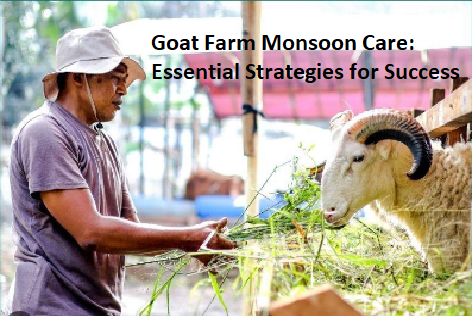
Managing a herd through the wet season requires proactive adjustments to housing, nutrition, and health protocols to ensure livestock remain productive. Effective goat farm monsoon care involves shielding animals from excessive humidity and waterborne diseases while maintaining a balanced diet that prevents digestive issues.
By prioritizing shelter integrity and preventive medical treatments, farmers can significantly reduce mortality rates and maintain consistent weight gain during the rainy months. This article outlines the precise steps needed to protect your investment from the unique challenges of the monsoon.
The primary goal of goat farm monsoon care is preventing foot rot, pneumonia, and parasitic infestations, which are the leading causes of production loss during the rainy season. Farmers should prioritize keeping bedding dry, as moisture is the enemy of hooves and respiratory health.
You must implement a strict deworming schedule before the rains begin to mitigate the spike in internal parasites that thrive in damp pastures. Vaccination against Enterotoxaemia and Peste des Petits Ruminants (PPR) is essential, as these diseases spread rapidly when animals are confined in damp, crowded shelters.
Shelter Infrastructure and Humidity Control
The most immediate threat during the monsoon is the accumulation of moisture within the barn. Goats are highly susceptible to pneumonia if they are forced to sleep on damp ground or in poorly ventilated sheds.
Ensure your flooring is elevated at least 1.5 to 2 feet above ground level to allow for natural drainage. Wooden slatted floors are ideal because they allow urine and moisture to pass through rather than pooling under the animals.
Check your roof for leaks immediately before the season starts. Even a small drip can create a localized patch of mud, which becomes a breeding ground for bacteria.
Use high-quality tarpaulins to cover open sides if the wind direction drives rain into the shelter. However, do not seal the shed completely, as proper air circulation is necessary to prevent the buildup of ammonia from manure.
Managing Dietary Transitions and Feed Storage
Pasture quality changes drastically during the monsoon, often becoming lush but prone to waterlogging and parasite eggs. Restrict grazing to mid-morning hours when the grass is relatively dry to minimize the intake of dew and rainwater.
Supplementing with high-quality dry hay is non-negotiable, as it balances the high water content of fresh monsoon grass. Sudden dietary shifts can lead to bloating, so transition your herd gradually.
Store your concentrated feed and hay in a completely waterproof area. If hay bales absorb moisture, they will develop mold, which is toxic to goats and can cause severe respiratory distress or liver damage.
Use wooden pallets to keep feed sacks off the concrete floor, ensuring air can circulate underneath the storage pile. If you notice any signs of mold, discard the affected batch immediately rather than risking the health of the entire herd.
Preventing Foot Rot and Hoof Issues
Foot rot is a frequent complication of goat farm monsoon care that causes significant economic loss due to lameness and weight drop. Inspect hooves regularly for signs of swelling or foul-smelling discharge between the toes.
A foot bath containing a 5% copper sulfate solution is an effective, standard treatment for disinfecting hooves after animals return from pasture. Ensure the foot bath is positioned at the entrance of the shed so every goat must walk through it.
Keep the area surrounding the farm entrance free of stagnant water. Muddy pathways act as a reservoir for the bacteria that cause foot scald.
If you notice any goats limping, isolate them immediately to prevent the spread of bacteria to the rest of the herd. Early intervention with antiseptic sprays or professional hoof trimming can stop a minor infection from becoming a chronic, debilitating condition.
Strategic Deworming and Parasite Control
The monsoon season creates the perfect environment for internal parasites like roundworms and liver flukes to proliferate. You must consult with a veterinarian to determine the most effective anthelmintic medication for your specific region, as resistance patterns vary.
A common strategy involves a broad-spectrum dewormer administered just before the onset of the heavy rains. Follow this with a second dose if fecal samples indicate a persistent high egg count.
Rotating your grazing land is a critical management practice during the wet season. If you keep goats on the same plot, they will inevitably consume forage contaminated with larvae that have migrated up from the soil.
Keep a record of which paddocks have been grazed to ensure a resting period of at least 21 days between cycles. This break disrupts the life cycle of parasites, forcing them to die off before the goats return to that area.
Nutritional Supplements and Hydration
Goats require a boost in their immune system to combat the stress of damp weather. Provide a mineral block that is specifically designed for ruminants, as these contain essential trace elements like selenium and copper.
These minerals support overall health and help the goats maintain a consistent body condition score when grazing quality fluctuates. Ensure these blocks are kept in a dry container so they do not dissolve in the humidity.
Clean water remains the most important component of their daily intake, even when it is raining outside. Stagnant rainwater puddles are often contaminated with feces and pathogens, which leads to outbreaks of diarrhea.
Always provide fresh, clean water in elevated troughs that are covered or designed to prevent runoff from entering the basin. Providing warm water during particularly cold, rainy nights can also help maintain the goats’ body temperature and reduce metabolic stress.
Monitoring Respiratory Health
Pneumonia is arguably the most dangerous health risk associated with monsoon conditions. Watch for early warning signs such as nasal discharge, coughing, or lethargy.
If a goat stops eating or stands apart from the herd with its head hanging low, it requires immediate isolation and assessment. Keeping your herd healthy requires monitoring the Food and Agriculture Organization guidelines on small ruminant biosecurity.
Maintain a small pharmacy of essential medicines, including broad-spectrum antibiotics and anti-inflammatory drugs, in a cool, dry place. Do not attempt to treat severe respiratory infections without professional guidance, as dosing errors can lead to antibiotic resistance.
Keep a thermometer in your kit to check for fever, which is often the first indicator of an underlying infection. A fever of over 103.5°F (39.7°C) in an adult goat is typically a sign that immediate veterinary intervention is necessary.
Common Monsoon Management Data
Understanding the impact of environmental factors allows for better decision-making throughout the season. The following table highlights common issues encountered during the monsoon and the appropriate management response for a typical farm.
| Condition | Primary Risk | Management Action |
|---|---|---|
| High Humidity | Respiratory Issues | Improve cross-ventilation |
| Damp Bedding | Foot Rot | Change bedding daily |
| Lush Pasture | Bloat/Parasites | Limit grazing time |
| Cold Rain | Hypothermia | Provide dry shelter |
Essential Monsoon Preparedness Checklist
Preparation is the difference between a profitable season and a series of costly emergencies. Before the first heavy rainfall, complete the following tasks to ensure your farm is ready.
- Repair all roof leaks and replace damaged siding panels.
- Stock up on at least three months of dry concentrate feed and mineral supplements.
- Update your vaccination records and schedule booster shots for all vulnerable age groups.
- Ensure all drainage channels around the shed are clear of debris to prevent flooding.
- Prepare a medical kit with antiseptics, bandages, thermometers, and basic antibiotics.
- Trim the hooves of all adult goats to prevent mud and bacteria buildup.
- Secure extra bedding material like dry straw or wood shavings.
Frequently Asked Questions
Why is baking soda provided to goats during the monsoon?
Baking soda acts as a buffer in the rumen, helping to maintain a stable pH level when the goats consume wet, lush grass. This is particularly important during the monsoon because sudden changes in diet can lead to acidosis or severe bloating. Offering it free-choice allows the goats to regulate their own digestive comfort.
Is it safe to let goats graze during a light drizzle?
While short periods of light rain are generally not harmful, it is safer to keep goats sheltered if the rain is persistent. Constant dampness on their coats can lower their body temperature, especially if there is a wind chill factor. If they must graze, ensure they have access to a dry area where they can retreat once they become saturated.
What is the most effective way to prevent pneumonia in a herd?
The most effective approach is a combination of dry housing, proper ventilation, and avoiding overcrowding. Pneumonia is frequently triggered by stress, which is exacerbated by damp conditions and poor air quality. Vaccinating your herd against common respiratory pathogens in advance of the monsoon is also a critical preventative measure.
How often should I clean the goat shed during the rainy season?
During the monsoon, you should aim to remove wet bedding daily. Moisture buildup is inevitable, and allowing manure and urine to soak into the floor creates an ideal environment for bacteria and parasite eggs. A clean, dry floor is the single most important factor in preventing hoof disease and respiratory infections.
What should I do if my goats show signs of diarrhea?
Diarrhea in the monsoon is often caused by internal parasites or the ingestion of contaminated water. Isolate the affected animal immediately to prevent the spread of potential infections to the rest of the herd. Check for signs of dehydration and consult a veterinarian to determine if the cause is parasitic, bacterial, or dietary before administering any medication.
Conclusion
Successfully navigating the challenges of the rainy season depends on your attention to detail and your commitment to preventative management. By focusing on dry housing, strategic nutrition, and timely medical intervention, you can protect your herd from the most common risks. Implementing a consistent goat farm monsoon care plan will keep your animals healthy and ensure your production numbers remain stable regardless of the weather.
Start your preparations early, keep your supplies stocked, and always monitor your goats for subtle changes in behavior. With these practices in place, you will be well-equipped to handle the demands of the season and maintain a thriving, profitable farm throughout the year.
