

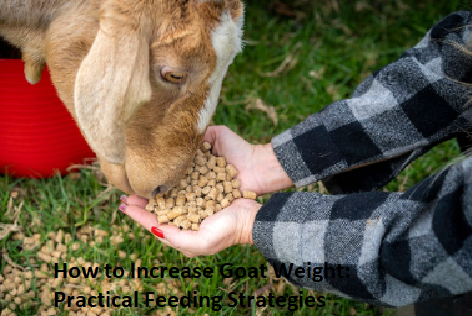
Successfully increasing goat weight requires a precise combination of high-quality nutrition, parasite management, and environmental comfort. Whether you are preparing livestock for market or nursing a thin animal back to health, the core of the process lies in energy density and digestive efficiency.
By focusing on caloric intake and eliminating health barriers, you can achieve steady, healthy gains rather than risky, rapid accumulation. This approach ensures your herd maintains vitality while reaching target body condition scores, ultimately leading to more productive and profitable livestock operations.
Achieving Optimal Body Condition Scores
The first step in increasing goat weight is determining the actual state of your animal through a body condition score (BCS). On a standard scale of 1 to 5, a score of 1 indicates a severely emaciated animal, while 5 represents clinical obesity.
Most producers aim for a score of 3, where the ribs and spine are not visible but can be felt with light pressure. You should assess the lumbar region, the brisket, and the tailhead to get an accurate reading of subcutaneous fat reserves.
If your goat scores a 1 or 2, you must prioritize weight gain immediately to prevent organ failure or secondary health issues. Before drastically changing the diet, check the animal’s teeth and mouth for signs of infection or misalignment.
If a goat cannot chew its food properly, no amount of high-calorie feed will lead to weight gain. Once you confirm physical health, you can begin the process of increasing caloric density in the ration.
Energy-Dense Feed Sources
To see significant shifts in animal mass, you must provide a diet that exceeds the goat’s maintenance energy requirements. High-quality forage remains the foundation, but it often lacks the concentrated energy needed for rapid weight gain.
Incorporating energy-dense supplements like whole oats, barley, or corn provides the necessary carbohydrates for fat synthesis. Always introduce these grains slowly over a period of 10 to 14 days to prevent digestive disturbances like acidosis.
Beet pulp is another excellent tool for weight gain because it provides highly digestible fiber that doesn’t cause the same rapid pH drops in the rumen as heavy grain feeding. Many successful producers mix soaked beet pulp with a small amount of black oil sunflower seeds to increase fat content.
These seeds offer high-quality oils that support skin health and provide a dense caloric boost. Monitor the goat’s manure consistency closely; if it becomes loose or watery, reduce the supplement volume immediately.
The Role of Parasite Control
Internal parasites are the most common hidden cause of weight loss in goats. Specifically, the barber pole worm (Haemonchus contortus) feeds on the animal’s blood, leading to anemia and significant muscle wasting.
Even if you feed an animal the most expensive ration available, a heavy parasite load will prevent them from absorbing those nutrients. You must implement a fecal egg count monitoring program to ensure your deworming strategy is effective.
Do not rely on chemical dewormers alone, as resistance is a growing problem in small ruminant husbandry. Instead, use a FAMACHA score card to check the color of the goat’s inner eyelid, which serves as a proxy for anemia levels.
If the eyelid is pale, the animal is likely suffering from a parasitic infestation that requires medical intervention. Managing pasture rotation and preventing overgrazing helps break the life cycle of these worms, reducing the need for constant chemical treatment.
Minerals and Supplements
Goats require a specific balance of minerals to maintain the metabolic processes necessary for weight gain. A loose mineral mix designed specifically for goats is superior to generic sheep or cattle blocks, which may lack essential copper.
Copper is vital for hair coat health and overall metabolic efficiency in goats. If you live in an area with high molybdenum or sulfur levels in the soil, you may need a specialized copper bolus to prevent a deficiency.
Baking soda is a critical addition to any feeding program aimed at weight gain. It acts as a natural buffer for the rumen, helping to neutralize excess acid when you introduce grain or energy-rich supplements.
Keep a separate, clean container of free-choice baking soda available at all times. Goats are remarkably good at self-regulating their intake, and they will consume it only when their rumen pH requires balancing.
Comparative Feeding Data
Different feed ingredients provide varying levels of energy and protein, which directly influence how you calculate the total diet for a goat. The following table provides a general comparison of common supplemental feeds used to support weight gain.
| Feed Ingredient | Energy Density | Primary Benefit |
|---|---|---|
| Whole Oats | Moderate | High fiber, safe energy source |
| Cracked Corn | High | Rapid energy for fattening |
| Black Oil Sunflower Seeds | Very High | Healthy fats, improves coat |
| Beet Pulp | Moderate | Digestible fiber, rumen health |
| Alfalfa Pellets | High | Calcium and protein boost |
Managing Environmental Stress
Environmental factors play a massive role in how efficiently an animal converts feed into body mass. Goats that are cold, wet, or exposed to constant wind will burn a significant portion of their daily caloric intake just to maintain their core body temperature.
Providing a dry, draft-free shelter during winter months is essential for any weight-gain program. If the animal spends all its energy staying warm, it will never be able to build muscle or fat.
Social stress also impacts growth rates significantly. If a goat is being bullied at the feed trough, it will consume less food and experience higher cortisol levels, which can lead to muscle breakdown.
Observe your herd during feeding times to ensure that every animal has adequate space to eat without competition. You might need to separate thinner goats into a “hospital” or “recovery” pen to ensure they have private access to high-quality feed.
Water Intake and Hydration
Water is often the most overlooked nutrient in livestock management, yet it is essential for digestion and metabolic function. A goat that is dehydrated will not consume enough dry matter to gain weight, regardless of the quality of the feed.
Ensure that your water source is clean, palatable, and easily accessible at all times. In colder climates, consider using a heated water tank to keep the temperature above freezing, as goats are reluctant to drink ice-cold water.
The rumen acts as a giant fermentation vat that requires a consistent moisture environment to function properly. When you increase the amount of grain in the diet, the water requirement increases proportionally.
If a goat is not drinking enough, the rumen can become impacted, leading to serious health complications. Always provide fresh water and scrub troughs regularly to prevent the buildup of algae or debris.
Common Practices for Sustained Growth
To build a consistent program for your herd, you should focus on a structured approach that emphasizes long-term health over short-term spikes. Here are several key management practices that support steady weight gain:
- Perform monthly weight checks using a livestock scale or a weight tape to track progress.
- Ensure all vaccinations are up to date, specifically for enterotoxemia, to protect the digestive system.
- Provide high-quality legume hay, such as alfalfa, as a protein source to support muscle development.
- Use free-choice kelp or trace minerals to fill any nutritional gaps in your local forage.
- Maintain a consistent feeding schedule to minimize digestive stress and encourage better intake.
Frequently Asked Questions
How much weight should a goat gain per week?
Healthy weight gain varies by breed, age, and initial condition, but a steady gain of 0.25 to 0.5 pounds per week is generally considered safe and sustainable. Rapid weight gain can lead to metabolic issues, so focus on consistent, moderate increases rather than quick spikes.
Is it safe to use grain to fatten goats?
Grain is an effective tool for increasing weight, but it must be introduced gradually to avoid bloat and acidosis. You should never exceed 1% of the goat’s body weight in grain per day, as the rumen is designed primarily for forage digestion.
Why is my goat eating but not gaining weight?
If a goat is consuming plenty of food but failing to gain mass, it is likely suffering from a heavy parasite load or a nutrient absorption issue. Consult the USDA Animal and Plant Health Inspection Service resources to learn more about identifying common livestock health threats in your region.
What is the benefit of feeding black oil sunflower seeds?
These seeds are high in fat and protein, making them an excellent caloric supplement for goats that need to put on weight. They also contain essential fatty acids that improve skin health and produce a shiny, healthy coat.
How often should I deworm my goats?
You should never deworm on a set schedule, as this accelerates chemical resistance in parasites. Instead, use fecal egg counts and FAMACHA scoring to determine if and when an individual animal requires treatment.
Establishing Long-Term Health
Increasing goat weight is a balance of providing high-energy nutrition while maintaining a rigorous health management protocol. By focusing on the quality of your forage, providing targeted energy supplements, and actively managing parasite levels, you create an environment where your animals can thrive. Remember that weight gain is a slow process that reflects the overall health of the animal’s digestive system.
If you monitor your herd’s body condition scores regularly, you can make informed adjustments to their diet before small problems become major health crises. Providing clean water, a stress-free environment, and proper mineral supplementation will ensure that your goats reach their target weight efficiently and remain healthy for the long term.
