

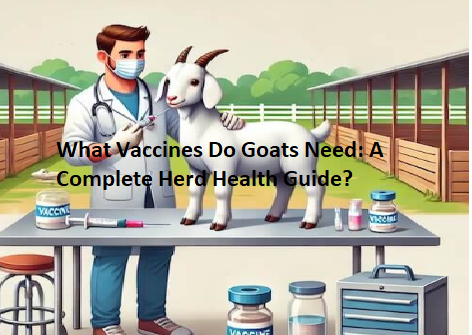
Understanding exactly what vaccines do goats need is a fundamental step in ensuring the long-term health and productivity of your herd. While many novice owners feel overwhelmed by the variety of biological products on the market, the core requirements are actually quite straightforward and centered on preventing common, deadly bacteria.
Most herds require consistent protection against clostridial diseases, which are pervasive in soil and can kill a healthy goat in hours. By focusing on a core protocol, you can significantly reduce the risk of sudden death losses and expensive veterinary interventions.
The Essential CDT Vaccine
The most critical component regarding what vaccines do goats need is the CDT combination. This vaccine protects against Clostridium perfringens types C and D, as well as Clostridium tetani.
These bacteria are present in almost all soil environments and can thrive in a goat’s digestive tract under the right conditions. When a goat experiences a sudden change in diet or stress, these bacteria can produce toxins that lead to enterotoxemia, often called overeating disease.
Tetanus is the other primary danger, typically entering the body through puncture wounds or during routine procedures like disbudding or castration. Because goats are highly susceptible to tetanus, and because the disease is almost universally fatal, immunization is mandatory for any responsible owner.
The CDT shot is inexpensive and widely available, making it the bedrock of any preventative care program. Without this specific protection, your goats remain vulnerable to two of the most common causes of preventable death on small farms.
Understanding Vaccination Schedules
Developing a consistent schedule is just as important as selecting the right product. For kids, the typical protocol begins at roughly 4 to 8 weeks of age, depending on the dam’s vaccination status.
If the mother was vaccinated in the final weeks of pregnancy, she passes protective antibodies through her colostrum. If she was not, you may need to start the kids earlier to ensure they develop their own immunity before maternal antibodies fade.
A primary series usually requires a booster shot administered 3 to 4 weeks after the initial dose. This second injection is vital because it triggers the immune system to create a long-lasting memory of the pathogen.
After the initial series, an annual booster is necessary to maintain high antibody titers throughout the animal’s life. Keeping careful records of these dates will help you avoid missing a booster, which could leave a goat unprotected during a period of high environmental risk.
Common Vaccines and Their Roles
While CDT is the standard, other options exist depending on your geographic location and specific herd risks. Some producers choose a 7-way or 8-way clostridial vaccine, which covers a broader range of soil-borne bacteria.
These are often used in regions where specific clostridial species are known to cause localized outbreaks. However, for most small-scale operations, the standard 3-way CDT remains the gold standard for safety and efficacy.
Other specialized vaccines, such as those for Caseous Lymphadenitis (CL) or Pneumonia, are generally considered optional or regional. CL is a bacterial infection that causes large, pus-filled abscesses, and it is notoriously difficult to eradicate once it enters a herd.
Some commercial vaccines exist for CL, but their effectiveness is debated by many veterinarians and producers. Before adding extra vaccines to your protocol, consult with a local large-animal veterinarian to determine if the specific disease is a threat in your area.
Table of Standard Goat Vaccination Requirements
The following table outlines the typical vaccination requirements for a standard goat herd, focusing on the most common biological products used in North America.
| Vaccine Name | Primary Target | Typical Frequency | Administration Method |
|---|---|---|---|
| CDT | Enterotoxemia & Tetanus | Annual Booster | Subcutaneous |
| 7-Way Clostridial | Broad Clostridial Strains | Annual or Bi-annual | Subcutaneous |
| Rabies | Rabies Virus | Annual | Intramuscular |
| Caseous Lymphadenitis | CL Abscesses | Per Vet Guidance | Subcutaneous |
Managing Injection Site Safety
Proper administration techniques are essential for the vaccines to work as intended. Always use a clean, sharp needle for each animal to prevent the spread of blood-borne pathogens or abscesses.
Most vaccines for goats are administered subcutaneously, which means under the skin rather than directly into the muscle. The best location for this is usually the loose skin on the neck or behind the shoulder, where the animal is less likely to experience soreness that affects movement.
Avoid injecting into the loin or the rear leg, as these areas are prone to irritation and can result in meat damage if the goat is eventually destined for the food supply. If you notice a small, firm lump at the injection site, it is usually a normal reaction to the adjuvant, which is the ingredient that stimulates the immune response. However, if the lump grows rapidly or feels hot to the touch, it may indicate an infection that requires cleaning or professional medical attention.
Storage and Handling Procedures
Vaccines are biological products that are highly sensitive to temperature fluctuations. If they get too warm or are exposed to direct sunlight, the active components can denature and become completely ineffective.
Always keep your vaccines in a dedicated refrigerator, ideally kept between 35 and 45 degrees Fahrenheit. Never store them in the door of the fridge, as this area experiences the most temperature variation throughout the day.
When you are out in the barn preparing to vaccinate, use a small cooler with ice packs to hold the bottles. Only draw the dose into the syringe immediately before you are ready to inject the animal.
If you have leftover vaccine in a multi-dose bottle, check the manufacturer’s label for shelf-life instructions after opening. Most products should be discarded if they have been open for more than a few weeks or if there is any cloudiness in the liquid.
Why Maternal Immunity Matters
The health of your kids is heavily dependent on the health of the pregnant doe. Providing the correct vaccinations to a doe in the final month of gestation ensures that her colostrum is rich with antibodies.
This passive immunity is the only protection a kid has during its first few weeks of life. If you neglect the dam’s vaccination schedule, you risk losing kids to diseases that could have been easily prevented through proper maternal care.
* Ensure the doe is in good body condition before breeding.
* Administer a CDT booster 3 to 4 weeks prior to the expected kidding date.
* Monitor the doe for any signs of stress or nutritional deficiencies.
* Verify that the kidding environment is clean and dry to reduce early pathogen exposure.
* Check that each kid receives adequate colostrum within the first 6 hours of birth.
Professional Veterinary Consultation
While many owners successfully administer their own vaccines, there is no substitute for a relationship with a licensed veterinarian. A professional can help you tailor your protocol based on the specific disease prevalence in your county.
They can also assist with training on proper restraint techniques, which minimizes stress for both you and the goats. If you notice a high rate of illness despite following a standard schedule, your vet can perform diagnostics to see if a different strain of bacteria is at play.
You can find more detailed guidance on herd health management through resources like the United States Department of Agriculture, which provides comprehensive information on livestock disease prevention. Establishing this professional connection early on ensures that you have a support system when emergencies arise. Remember that vaccines are only one tool in the toolbox; good sanitation, nutrition, and parasite management are equally vital components of a long-term strategy.
Frequently Asked Questions
Can I vaccinate my goats myself?
Yes, most goat owners perform their own vaccinations to save on farm-call fees and reduce stress on the animals. It is important to learn proper restraint and injection techniques to ensure the safety of both the handler and the goat. Always read the product label thoroughly before beginning to understand the correct dosage and route of administration.
What is the most important vaccine for goats?
The CDT vaccine is widely considered the most important vaccine for goats because it protects against enterotoxemia and tetanus. These are common, deadly conditions that pose a threat in almost every environment. While other vaccines may be necessary depending on your specific location, CDT is the baseline requirement for any herd.
Is the 5-in-1 or 7-in-1 vaccine necessary?
These combination vaccines cover a wider range of clostridial diseases than the standard 3-way CDT. They are often necessary in areas where soil conditions or regional disease outbreaks put goats at higher risk for those specific strains. Consult with a local veterinarian to see if your specific farm location justifies the extra coverage offered by these broader formulas.
How often should I vaccinate my goats?
Most core vaccines, such as CDT, require a primary series followed by an annual booster. The primary series usually involves an initial shot and a follow-up dose 3 to 4 weeks later to ensure a strong immune response. Always keep a written log of when each animal was vaccinated to ensure you never miss an annual cycle.
What if I miss an annual booster?
If you miss an annual booster, try to administer it as soon as you realize the error. If the delay is significant, such as several months past the due date, your veterinarian may recommend restarting the primary series. This ensures the animal’s immune system is properly stimulated to provide the necessary level of protection.
Conclusion
Securing the health of your animals starts with understanding exactly what vaccines do goats need to survive and thrive. By prioritizing the CDT vaccine and maintaining a strict, documented schedule, you protect your herd from the most common and devastating bacterial threats. These biological tools are cost-effective and simple to administer, provided you maintain proper storage and follow clean injection protocols.
Always remember that vaccination is a preventative measure rather than a cure for existing illnesses. Keep your focus on providing high-quality forage, clean water, and a stress-free environment to complement your immunization efforts.
If you have questions about regional risks or specific health challenges in your area, do not hesitate to contact a local large-animal veterinarian. Taking these proactive steps ensures your goats remain healthy for years to come.
