

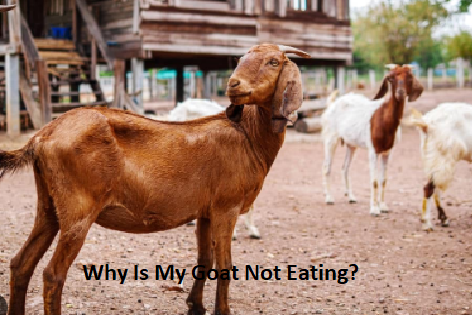
When you notice your goat not eating, it is a signal that requires immediate attention from any responsible owner. Goats are ruminants with complex digestive systems, and a lack of appetite often acts as the first warning sign of a significant underlying health issue. Identifying the cause quickly can mean the difference between a minor digestive upset and a life-threatening emergency.
In this guide, we will break down the most common reasons for appetite loss and how you can assess your animal’s condition to determine the next steps.
Immediate Causes for Appetite Loss
The primary reason a goat stops eating is usually related to pain, fever, or a disruption in the rumen’s microbial balance. If you are asking why is my goat not eating, the most common culprit is often parasitic load, specifically barber pole worm infestations. These worms consume blood, leading to anemia and lethargy, which quickly suppresses the animal’s desire to graze or consume hay.
Another frequent cause is acidosis, which occurs when a goat consumes too much grain or high-sugar feed, causing the pH level in the rumen to drop dangerously low. If the animal has access to toxins or poisonous plants, this will also result in immediate refusal of food.
Assessing the Severity of the Situation
You must first check the goat’s vital signs to gauge how urgent the situation is. A normal rectal temperature for a healthy goat typically falls between 101.5°F and 103.5°F.
If the temperature is significantly higher, the animal likely has an infection or inflammation that requires veterinary intervention. Observe the goat’s behavior; if it is standing apart from the herd, hunching its back, or grinding its teeth, these are clear indicators of significant abdominal pain. Check the color of the inner eyelid by gently pulling it down to reveal the mucous membrane.
A pale, ghost-white color indicates severe anemia, which is a medical emergency.
The Role of Digestive Health
Goats rely on a delicate population of bacteria and protozoa in their rumen to ferment fiber. When this environment is disrupted by sudden dietary changes or stress, the microbes die off, leading to a condition known as “off-feed.” This can happen if you switch hay brands abruptly or introduce too much lush, spring grass before the rumen has adapted.
You may notice the goat looking bloated or feeling firm on the left side of its abdomen. Providing high-quality, clean forage is the best way to encourage the rumen to stabilize naturally.
Parasites and Anemia Risks
Internal parasites are a leading cause of mortality in small ruminants, particularly in humid climates. The Haemonchus contortus worm is notorious for causing rapid weight loss and complete anorexia in infected goats.
You should use the FAMACHA scoring system to evaluate the level of anemia in your herd regularly. If the FAMACHA score is 4 or 5, the goat is in critical danger and requires an immediate anthelmintic treatment prescribed by a professional. Do not wait for the goat to begin eating again on its own if the parasite burden is already high.
Environmental Stressors
Sometimes the issue is not a disease but a reaction to the goat’s surroundings.
Goats are social creatures and can stop eating if they are separated from their companions or if there is a new, aggressive animal in the pen. Extreme weather, such as intense heat waves or freezing temperatures, can also cause a drop in food intake as the animal prioritizes temperature regulation over digestion. Ensure that the water supply is fresh, clean, and easily accessible.
A goat that is dehydrated will almost always stop eating to conserve moisture and energy.
Nutritional Deficiencies and Feed Quality
Check the feed itself for mold, dust, or contamination, as goats are extremely picky eaters and will refuse food that smells “off” to them. Even if the feed looks fine to you, it might have been stored in a damp area, allowing fungal growth that is invisible to the naked eye. In some cases, a deficiency in key minerals like copper, selenium, or cobalt can lead to a general lack of thriftiness and reduced appetite.
Providing a high-quality, goat-specific loose mineral supplement can help prevent these deficiencies from manifesting in the first place.
Comparison of Common Symptoms
Understanding the difference between mild and severe symptoms can help you decide when to call a veterinarian. The following table outlines how to categorize the symptoms you might observe in your animal.
| Symptom | Severity Level | Recommended Action |
|---|---|---|
| Alert, chewing cud, slightly reduced intake | Low | Monitor closely, check water quality |
| Grinding teeth, hunched back, fever | Medium | Isolate, check for parasites, consult vet |
| Pale gums, lying down, cold extremities | High | Emergency vet intervention required |
| Bloated, unable to stand, labored breathing | Critical | Immediate life-saving measures needed |
Managing the Recovery Process
If the animal is stable but still not eating, you may need to assist it with supportive care. Gentle massage of the rumen area can help stimulate movement and digestion. You can offer high-energy treats like a small amount of warm water mixed with molasses or a specialized probiotic drench to help repopulate the gut flora. Always ensure the animal is kept in a warm, dry environment away from the stressors of the main herd. Consistent observation is key during the recovery phase to ensure the animal does not relapse into a state of anorexia.
When to Consult a Professional
There are specific situations where you should not attempt to treat the animal at home. If the goat has not eaten or passed manure for more than 24 hours, it is at high risk of developing secondary complications. If you suspect the goat has ingested a toxic substance, such as toxic weeds or chemical fertilizers, time is of the essence. For more detailed information on preventing common illnesses, you can visit the Merck Veterinary Manual to understand the clinical signs of various ruminant disorders. A veterinarian can perform a physical exam, take blood samples, and provide the specific medications needed to address the root cause of the problem.
Frequently Asked Questions
How long can a goat go without food?
A healthy adult goat can survive for a few days without food, but they will become weak very quickly and their rumen function will begin to shut down within 24 hours. Once the rumen stops moving, it becomes much harder to restart, making early intervention vital.
What are the signs of a sick goat?
Common signs include separation from the herd, a lack of interest in food, a hunched posture, grinding teeth, diarrhea, or a dull, rough coat. You should also watch for abnormal breathing patterns or a temperature that falls outside the normal range.
Can I give my goat human medicine?
You should never give a goat human medicine without specific instructions from a veterinarian. Many human medications are toxic to goats or can cause severe imbalances in their delicate rumen ecosystem, which may lead to permanent damage.
What is the most common cause of sudden death in goats?
Enterotoxemia, often called “overeating disease,” is a leading cause of sudden death in goats. It is caused by an overgrowth of bacteria in the gut, usually triggered by a sudden change in diet or an overload of high-energy concentrates like grain.
Should I force-feed a goat that isn’t eating?
You should not force-feed solid food to a goat that is not eating, as this can lead to choking or aspiration pneumonia. If you need to provide nutrition, it should be done through a professional-grade rumen drench or specialized electrolyte supplements administered carefully.
Conclusion
Addressing the issue of my goat not eating requires a calm, systematic approach to identify the underlying trigger. By monitoring vital signs, checking for parasite loads, and ensuring the environment is free from stressors, you can often address the problem before it becomes a crisis. Always remember that goats are stoic animals; they often hide their illness until they are quite sick, so taking action early is the best way to ensure a positive outcome. If you have any doubt about the cause of the appetite loss, contact your local large-animal veterinarian as soon as possible. With proper care and regular health maintenance, you can help your goats stay healthy and productive for years to come.
