

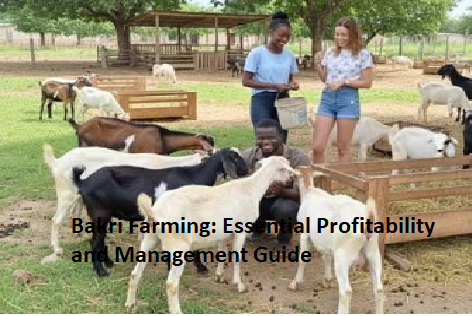
Bakri farming is a cornerstone of rural economies across South Asia and parts of Africa, providing a reliable source of income and nutrition for millions. Understanding the nuances of this livestock sector is vital for anyone looking to transition from small-scale subsistence to a commercial operation.
By focusing on breed selection, nutrition, and disease prevention, farmers can significantly improve their herd’s health and market viability. This guide provides the foundational knowledge required to manage a productive herd efficiently.
The profitability of bakri farming depends heavily on the scale of your operation and your proximity to local markets. On average, a well-managed commercial goat farm can yield a net profit margin of 20% to 35% after accounting for feed, veterinary, and labor costs.
Small-scale farmers often see faster returns because they rely on grazing rather than expensive commercial concentrates. However, scaling up requires a structured approach to herd health and professional record-keeping to maintain these margins.
Determining Land Requirements for Sustainable Herding
The amount of land you need for your goats depends entirely on your management system. In an intensive stall-fed system, goats spend most of their time in a shed, meaning you only need enough space to house the animals comfortably.
A standard shed requires about 10 to 12 square feet per adult goat to ensure proper ventilation and movement. This approach minimizes the need for large tracts of grazing land.
If you choose a semi-intensive or free-range system, the land requirement increases significantly. You generally need about 0.5 to 1 acre of land per 20 to 30 goats to provide adequate natural grazing.
Overgrazing is a common pitfall that leads to soil degradation and increased parasite exposure for your herd. Proper land rotation is essential to allow vegetation to recover between grazing cycles.
Incorporating fodder crops like alfalfa or hybrid napier grass into your land management plan is a smart move. By growing your own feed, you can slash your operational expenses by as much as 40%.
This self-sufficiency reduces dependency on fluctuating market prices for grains and supplements. Always ensure that your land has access to a clean, reliable water source to prevent dehydration-related illnesses.
Strategic Breed Selection for Market Success
Choosing the right breed is the most critical decision you will make when starting a project. Different breeds are adapted to different climates and production goals, such as meat, milk, or fiber.
For instance, the Jamnapari breed is highly regarded for its dual-purpose performance in tropical climates. If your goal is rapid weight gain for meat production, the Boer goat is often the global industry standard.
Local breeds are frequently overlooked, yet they often possess superior resistance to endemic diseases. A cross-breeding program can combine the hardiness of local stock with the fast growth rates of imported commercial breeds.
You should research the specific market demand in your region before investing heavily in a particular breed. Some markets prioritize larger carcass weights, while others prefer the taste of specific local varieties.
When purchasing your foundation stock, prioritize health over appearance. Look for animals with bright eyes, a shiny coat, and no signs of respiratory distress or limpness.
Always quarantine new arrivals for at least three weeks before introducing them to your established herd. This simple step prevents the introduction of contagious diseases that could devastate your entire investment.
Nutrition and Feeding Strategies
Goats are ruminants, which means their digestive systems require a balance of fiber, protein, and minerals. A diet consisting solely of dry grass is rarely sufficient for high-producing animals.
You must provide a mix of green fodder, dry hay, and a concentrated feed supplement to meet their daily nutritional needs. This balance is especially important for pregnant and lactating does.
Minerals are often the most neglected part of a goat’s diet, yet they are crucial for reproduction and growth. Providing a free-choice mineral block ensures that goats can supplement their intake based on their individual needs.
Deficiencies in minerals like copper, selenium, and zinc can lead to poor reproductive performance and stunted growth. Consult with a local veterinarian to identify any soil-based mineral deficiencies in your specific region.
Water consumption is another pillar of effective nutrition that many beginners underestimate. A single adult goat can drink between 2 to 4 gallons of water daily, depending on the weather and lactation status.
Water should be kept clean and accessible at all times to encourage consistent feed intake. Stagnant or dirty water is a primary vector for waterborne diseases and internal parasites.
Health Management and Disease Prevention
A proactive health strategy is far cheaper than treating sick animals. Vaccination schedules are non-negotiable in commercial operations, specifically against diseases like Peste des Petits Ruminants (PPR) and Enterotoxemia.
These diseases can wipe out an entire flock in a matter of days if left unmanaged. Work with a local animal husbandry expert to create a vaccination calendar tailored to your area.
Parasite control is arguably the biggest daily challenge in bakri farming. Internal parasites like stomach worms thrive in humid conditions and can cause significant weight loss or death.
Implementing a rotational deworming schedule is necessary to prevent parasites from building resistance to medications. Regularly checking fecal samples under a microscope allows you to target specific parasites rather than using broad-spectrum treatments.
Foot rot is another common ailment caused by damp, unsanitary living conditions. Keeping the shed floor dry and regularly cleaning the hoofs can prevent this painful condition.
If an animal shows signs of lameness, isolate it immediately to prevent the infection from spreading to the rest of the flock. Cleanliness in the housing area is the first line of defense against almost all common livestock pathogens.
Economic Viability and Profitability Analysis
To understand if your venture is viable, you must track every expenditure. This includes the initial purchase price of the goats, housing construction, medical supplies, and feed costs.
Many farmers fail because they treat their farm as a hobby rather than a business. Tracking these costs allows you to calculate your break-even point accurately.
| Expense Category | Estimated Percentage of Budget |
| :— | :— |
| Feed and Nutrition | 50% – 60% |
| Veterinary and Medicine | 10% – 15% |
| Labor Costs | 15% – 20% |
| Infrastructure Maintenance | 5% – 10% |
| Miscellaneous | 5% |
Revenue streams in this sector are diverse, which provides a level of financial security. Beyond selling live animals for meat, you can consider selling milk, manure for fertilizer, or even breeding stock.
Value-added products like goat milk soap or artisanal cheese can command higher prices than raw commodities. Diversification is key to weathering the inevitable ups and downs of the livestock market.
Infrastructure and Housing Requirements
Your shed should be designed to maximize airflow while protecting the animals from extreme temperatures. In hot climates, an elevated slatted floor allows urine and manure to fall through, keeping the animals dry and reducing odor.
A roof with an overhang prevents rain from blowing into the interior during storms. Ensure the orientation of the building takes advantage of prevailing winds to keep the environment cool.
Security is another factor that often goes overlooked until a loss occurs. Predators like stray dogs, jackals, or even thieves can be a major threat to your herd.
A sturdy perimeter fence and secure locking mechanisms for the shed are essential investments. Consider installing motion-sensor lighting or keeping a guard dog to deter predators during the night.
Proper storage for feed is just as important as housing for the animals. If your hay or grain gets wet, it will quickly develop mold, which can be toxic to goats.
A dedicated, dry, and well-ventilated storage area will protect your investment in high-quality feed. Keeping this area clean also helps prevent rodent infestations that can spread disease.
Growth Cycles and Production Milestones
Understanding the growth cycle is essential for planning your sales and cash flow. A goat typically reaches market weight between 8 and 12 months of age, depending on the breed and feed quality.
Does can start breeding at around 10 to 12 months of age, but it is often better to wait until they reach 70% of their adult body weight. This ensures they have the physical maturity to handle pregnancy and nursing.
* Month 1-3: Weaning and initial growth phase, focusing on high protein intake.
* Month 4-7: Rapid muscle development and skeletal growth.
* Month 8-10: Finishing phase where energy intake is increased to add body weight.
* Month 11+: Selection for breeding or final harvest for the market.
Record-keeping allows you to identify your most productive animals. You should track birth dates, weight gain, kidding intervals, and health history for every individual.
This data will help you cull underperforming goats and focus your resources on the ones that provide the best return. You can learn more about managing livestock productivity through resources like the Food and Agriculture Organization of the United Nations.
Common Mistakes to Avoid
Overcrowding is the most common mistake made by new farmers. When too many animals are kept in a small space, stress levels rise and the immune system weakens.
This leads to higher mortality rates and slower growth, which eats directly into your profits. Always provide more space than the minimum requirements to allow for herd growth and animal comfort.
Another frequent error is neglecting the importance of record-keeping. Without data, you are essentially guessing which animals are profitable and which are costing you money.
You don’t need expensive software; a simple logbook or spreadsheet will suffice. Consistently recording weights and feed consumption will provide the insights needed to make informed management decisions.
Finally, avoid the temptation to scale up too quickly. It is much safer to start with a small herd of 10 to 20 animals to learn the ropes.
Once you have mastered the feeding, health, and marketing aspects, you can slowly expand your operations. Rapid expansion often leads to unmanaged risks and financial losses that are difficult to recover from.
Frequently Asked Questions
Is it necessary to have a veterinarian on call?
Yes, having a relationship with a local veterinarian is crucial. While you can handle basic tasks like deworming and vaccination, a professional is needed for specialized treatments and diagnosing complex health issues.
How many months does it take to grow a goat for market?
Generally, it takes 8 to 12 months to reach a market-ready weight. This timeline varies based on the specific breed, the quality of the feed provided, and your overall management practices.
Does bakri farming require a lot of capital?
The startup cost is relatively low compared to other forms of livestock farming. You can begin with a small herd and minimal infrastructure, scaling up as your profits grow and your experience increases.
What is the most profitable aspect of goat farming?
Profitability is often highest when you sell animals directly to consumers or local butchers rather than through middlemen. Additionally, selling high-quality breeding stock or value-added products like milk and manure can increase your margins significantly.
What are the biggest risks in this business?
The primary risks include disease outbreaks, predators, and market price fluctuations. These can be mitigated by maintaining a strict vaccination schedule, securing your farm premises, and diversifying your sales channels to avoid dependence on a single buyer.
Building a Sustainable Future
Success in this field is built on consistency, observation, and a willingness to learn from your daily operations. You must treat your animals as living assets that require specific, timely interventions to perform at their peak. By maintaining a clean environment and providing a balanced diet, you create a foundation that supports long-term profitability.
Starting small allows you to master the basics before scaling, which is the most reliable path to a sustainable enterprise. As you gain experience, your ability to spot potential health issues or market shifts will improve, leading to better decision-making.
Consistent focus on these fundamental aspects of bakri farming will ensure your venture remains productive for years to come. Take the time to observe your herd daily, as they will often signal their needs long before a problem becomes critical.
