

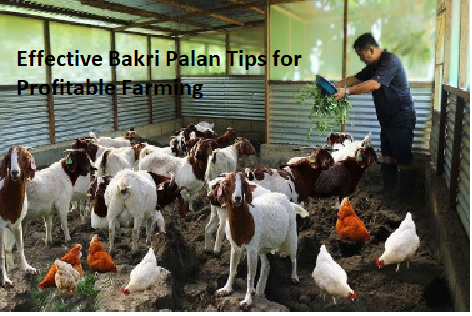
Implementing effective bakri palan tips is essential for anyone looking to enter the goat farming sector with a focus on long-term sustainability and profit. Whether you are managing a small backyard herd or a large-scale commercial operation, success hinges on understanding the specific nutritional, housing, and healthcare needs of your animals.
By focusing on these core areas, you can significantly reduce mortality rates and increase the overall weight gain of your livestock. This article provides actionable insights to help you manage your farm more efficiently and avoid common pitfalls that often lead to financial loss for beginners.
What is the most effective way to start a goat farm?
The most effective way to start is by selecting a breed that is well-suited to your local climate and market demand. You should begin with a small herd, typically 10 to 20 does and one buck, to learn the nuances of animal behavior before scaling up. Focusing on high-quality stock from a reputable breeder is a critical step that dictates your future productivity.
According to data from the Food and Agriculture Organization, selecting disease-resistant breeds can reduce initial veterinary costs by nearly 30% in the first year. Your infrastructure should prioritize ventilation and drainage, as these two factors are the primary drivers of health outcomes in intensive housing systems.
Optimizing Nutritional Management
Feeding accounts for approximately 60% to 70% of total operational costs in goat farming. To maximize growth, you must provide a balanced diet that includes both green fodder and dry concentrate. Goats are browsers by nature, so providing access to diverse vegetation mimics their natural feeding habits, which aids in digestion and nutrient absorption.
Mineral supplementation is often overlooked but remains one of the most vital aspects of herd health. You should provide salt licks and mineral blocks to ensure your goats receive essential micronutrients like zinc, copper, and selenium. These minerals prevent common deficiencies that lead to stunted growth or poor reproductive performance.
Energy-dense feed is necessary during the final stages of fattening for market. Adding grains like maize, wheat bran, or mustard cake to the daily ration can significantly accelerate weight gain. Always ensure that the transition to high-energy feeds is gradual to prevent digestive disorders like acidosis.
Housing and Shelter Requirements
Proper housing is a cornerstone of successful goat farming. A well-designed shed protects your herd from extreme weather, predators, and damp conditions that facilitate parasite growth. The floor of the shed should be raised at least 3 to 4 feet above the ground if you are using a slatted floor system.
This design allows waste to fall through, keeping the living area dry and clean. Ventilation is equally critical; stagnant air promotes respiratory infections, which are a leading cause of mortality in confined herds. Ensure that the roof height is sufficient to allow warm air to escape, especially in humid regions.
Space requirements are non-negotiable for animal welfare and growth. A single adult goat generally requires about 10 to 12 square feet of floor space. Overcrowding leads to stress, which suppresses the immune system and makes the herd more susceptible to contagious diseases like Peste des Petits Ruminants (PPR).
Understanding Genetic Improvement
Genetic potential determines the ceiling for your herd’s growth rate and milk production. Understanding the classification of crosses, such as F1, F2, and F3, is essential for selective breeding programs. An F1 generation is the direct offspring of two different purebred parents, often resulting in hybrid vigor.
F2 and subsequent generations involve backcrossing or interbreeding, which requires careful record-keeping to avoid inbreeding depression. Maintaining a detailed pedigree chart for every animal helps you identify which bucks are producing the fastest-growing kids. You should cull animals that consistently show poor weight gain or weak reproductive traits.
Consistency in breeding ensures that your herd remains productive over multiple generations. If you are aiming for meat production, crossbreeding local hardy breeds with exotic high-growth breeds is a standard practice. This strategy combines the disease resistance of local stock with the superior growth rates of imported genetics.
Preventive Healthcare and Vaccination
Healthcare in goat farming is about prevention rather than cure. Establishing a strict vaccination schedule is the most effective way to protect your investment from catastrophic losses. You should consult a local veterinarian to create a calendar that covers common regional threats like PPR, enterotoxaemia, and goat pox.
Internal and external parasite control is another non-negotiable aspect of herd management. Deworming should be performed every 3 to 4 months, depending on the grazing conditions and the local climate. Using the same dewormer repeatedly leads to drug resistance, so you must rotate your medication classes regularly.
Monitoring the health of individual animals requires daily observation. Look for signs such as a dull coat, loss of appetite, or abnormal stool consistency. Early intervention is almost always cheaper and more effective than treating a severe, advanced infection.
Economic Comparison of Feeding Strategies
The following table compares the typical costs and weight gain outcomes associated with different feeding strategies for a herd of 20 goats over a six-month cycle.
| Feeding Method | Estimated Monthly Cost (per goat) | Average Weight Gain (kg/month) |
|---|---|---|
| Free-range grazing only | $2 – $4 | 0.5 – 0.8 |
| Grazing + Supplemental Fodder | $6 – $9 | 1.2 – 1.5 |
| Stall-fed (Intensive) | $12 – $15 | 2.0 – 2.5 |
As indicated by the data, intensive stall-feeding requires higher capital but yields significantly faster results. You must balance your available budget with your desired turnaround time for market-ready livestock. Many beginners find that a combination of controlled grazing and morning/evening stall feeding offers the best balance of cost and growth.
Market Linkages and Sales Strategy
Understanding when and where to sell is just as important as the actual rearing process. Prices for goats typically peak during major festivals, so you should align your breeding schedule to have animals ready for market during these windows. This requires careful planning of the gestation period, which is approximately 150 days.
Building direct relationships with local butchers or restaurant suppliers can increase your profit margins by cutting out middlemen. You should also keep track of market weights, as selling at the optimal weight prevents you from wasting feed on animals that have reached their plateau. Knowing the current market rate per kilogram of live weight is essential for negotiating fair prices.
Diverse income streams are a hallmark of a robust farm. Beyond meat sales, consider the value of manure as high-quality organic fertilizer. Many farmers report that selling composted goat manure can cover a significant portion of their monthly feed costs.
Common Operational Pitfalls
Many beginners fail because they prioritize infrastructure over animal quality. Investing heavily in a concrete shed while buying low-quality, sick animals is a common error that leads to rapid failure. You should always allocate a significant portion of your budget to the initial purchase of healthy, vaccinated stock.
Neglecting water quality is another frequent mistake. Goats are sensitive to the cleanliness of their water; dirty water is a primary vector for parasites and bacterial infections. Use elevated water troughs that prevent animals from stepping into or contaminating the supply with waste.
Lack of record-keeping is a silent killer of profitability. Without tracking feed consumption, weight gain, and medical history, you cannot identify which parts of your operation are losing money. Even a simple notebook or a basic spreadsheet can provide the data needed to make informed management decisions.
Essential Equipment Checklist
To run an efficient farm, you need a specific set of tools and supplies. Having these items on hand before you purchase your first goat will save you time and stress.
- Weighing Scale: Crucial for tracking growth and determining market value.
- Hoof Trimmers: Essential for preventing foot rot and mobility issues in stall-fed animals.
- First Aid Kit: Should include antiseptic spray, bandages, thermometer, and basic antibiotics.
- Water Troughs: Elevated containers that minimize waste and contamination.
- Mineral Blocks: Necessary for maintaining proper metabolic function and growth.
- Records Ledger: A dedicated space to track births, deaths, and medical treatments.
These items represent the minimum investment for a professional operation. Over time, you may add specialized equipment like chaff cutters to process fodder more efficiently. Investing in a chaff cutter reduces feed wastage by up to 20%, quickly paying for itself through lower feed requirements.
Frequently Asked Questions
How many goats can 1 acre of land support?
Typically, 1 acre of well-managed pasture can support 5 to 8 goats. If you are using an intensive stall-feeding system where fodder is brought to the animals, that same acre can support a much larger number, often up to 30 or 40 goats.
What can I do to make my goats grow faster?
The most effective way to increase growth rate is to provide high-quality protein and energy supplements alongside their roughage. Ensure they have constant access to fresh, clean water and keep them on a strict deworming schedule to ensure they are absorbing every nutrient they consume.
What is the most difficult thing about raising goats?
The most challenging aspect is managing the health of the herd during the monsoon or rainy season. Increased humidity and stagnant water significantly heighten the risk of foot rot, pneumonia, and parasitic outbreaks, requiring constant vigilance and extra labor.
How do I identify a healthy goat before buying?
Look for bright, alert eyes and a shiny coat. A healthy goat should have a steady gait and show no signs of coughing, nasal discharge, or diarrhea. Always check the teeth to estimate age and ensure the animal has a good appetite during the inspection.
Conclusion
Achieving success with goats requires a disciplined approach to nutrition, sanitation, and record-keeping. By applying these specific bakri palan tips, you can transform a small-scale effort into a consistent source of income. Remember that your herd is a biological asset that responds directly to the quality of care you provide daily.
Start by focusing on the health of your initial stock and gradually expand your operations as you gain experience with local market cycles. Stay consistent with your vaccination schedules and keep a close eye on your feed costs to ensure long-term viability. Your commitment to these fundamentals will dictate your results, so take the time to observe your herd closely and adjust your methods based on the data you collect.
