

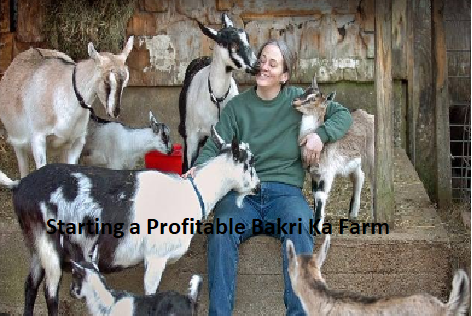
Establishing a successful bakri ka farm requires more than just land and animals; it demands a strategic approach to nutrition, breed selection, and market access. Whether you are aiming for a small-scale operation or a commercial venture, understanding the biological and financial requirements of goat husbandry is essential for long-term growth. This article provides the foundational knowledge needed to scale your operations effectively and maintain a healthy, productive herd throughout the year.
The primary requirement for a viable bakri ka farm is a well-planned infrastructure that prioritizes animal welfare and disease prevention. For a herd of 100 goats, you generally need at least 1,500 to 2,000 square feet of covered shelter space to ensure adequate ventilation and movement.
The initial investment for a basic shed, including feeding troughs and water systems, typically ranges from $1,500 to $4,000 depending on local construction costs. You must also allocate significant space for grazing, as goats require high-quality forage to maintain weight and reproductive health.
Selecting the Right Breeds for Your Climate
Choosing the correct breed is the most critical decision you will make when starting a bakri ka farm. Some breeds are specifically adapted to arid environments, while others thrive in humid or mountainous regions.
Popular meat-producing breeds like the Boer goat are favored for their rapid weight gain, often reaching market weight within 6 to 9 months. If you are interested in milk production, breeds such as the Alpine or Saanen are industry standards due to their consistent daily yields.
Always source your foundation stock from reputable breeders who can provide health certificates and breeding history. Avoid buying animals from local markets without knowing their vaccination status, as this introduces high risks of contagious diseases like Peste des Petites Ruminants (PPR).
A starter herd should consist of young, healthy females and a high-quality buck that is unrelated to the does to prevent inbreeding. Aim to start with a ratio of 1 buck to 20 or 25 does to ensure efficient breeding cycles across the flock.
Infrastructure and Housing Requirements
Your housing design should focus on three things: dryness, airflow, and predator protection. Goats are highly susceptible to respiratory infections if their living area is damp or poorly ventilated.
Elevate the floor of your shed by at least 2 to 3 feet using wooden slats or wire mesh to allow waste to fall through, keeping the animals clean. This design choice significantly reduces the incidence of hoof rot and internal parasite infestations.
Proper sanitation protocols must be integrated into your daily routine. You should clean the waste collection area under the elevated floors weekly to prevent ammonia buildup, which can irritate the lungs of your animals.
Ensure that your fencing is at least 5 feet high and reinforced at the bottom to prevent both escapes and unwanted visitors like stray dogs or wild predators. A simple, well-maintained barn is far more effective than an expensive, poorly ventilated structure.
Nutritional Management and Feed Optimization
Feeding accounts for approximately 60% to 70% of the total operating costs in a commercial bakri ka farm. Goats are browsers, not grazers, meaning they prefer shrubs and leaves over flat grass.
You must provide a balanced diet consisting of roughage, concentrates, and essential minerals to reach optimal growth rates. During the dry season, you will need to rely on stored silage or hay to maintain body condition scores.
Supplementing with mineral blocks is non-negotiable for long-term health. Goats require specific trace elements like copper, selenium, and zinc that are often missing from standard forage.
If you provide a high-quality mineral mix, you will see improvements in coat quality, fertility rates, and overall immune system resilience. You can find detailed nutritional guidelines from the Food and Agriculture Organization of the United Nations to help structure your feed rations.
Health and Disease Prevention Strategies
Disease management is the difference between a profitable venture and a total loss. Implementing a strict vaccination schedule is the most effective way to protect your investment.
You should consult with a local veterinarian to create a schedule that addresses common regional threats like enterotoxemia and tetanus. Deworming should also be performed on a quarterly basis, or more frequently if you observe signs of infestation like pale gums or weight loss.
Quarantine procedures are essential whenever you introduce new animals to your existing herd. Keep any new arrivals in a separate area for at least 21 days to monitor them for symptoms of illness.
This simple step prevents a single sick animal from wiping out your entire population. Always keep basic medical supplies, such as antiseptic sprays, thermometers, and electrolyte powders, in a dedicated kit within your farm office.
Understanding Market Dynamics and Sales
Profitability in goat farming is driven by your ability to time sales with peak market demand. Prices for goat meat typically spike before major festivals and holidays, making these the ideal times to sell your mature stock.
You should track local market trends to understand whether buyers prefer younger “kid” meat or mature carcasses. Building direct relationships with local butchers and restaurants can also help you bypass middle-men and secure better margins.
Diversifying your income streams is a smart way to stabilize your cash flow. In addition to meat, you can sell manure as high-quality organic fertilizer, which is in high demand among local farmers.
Some operators also choose to sell kids as breeding stock once their herd reaches a certain level of genetic quality. Keeping accurate records of birth dates, feed consumption, and veterinary costs is the only way to determine your true profit margins.
Comparative Analysis of Farming Models
The scale of your operations will dictate the type of management system you adopt. Intensive systems require higher capital investment but offer faster turnover, while extensive systems rely on natural grazing to lower costs. The table below compares these two common approaches to managing a herd of 50 goats:
| Feature | Intensive System | Extensive System |
|---|---|---|
| Land Requirement | Small (Stall-fed) | Large (Pasture-based) |
| Feed Cost | High | Low |
| Labor Intensity | Very High | Moderate |
| Growth Rate | Rapid | Slow to Moderate |
Each model has its own set of risks and rewards. Intensive farming requires constant attention to feed quality and hygiene, while extensive farming requires large tracts of land and protection against predators.
Most successful farmers eventually adopt a semi-intensive model, where goats graze during the day and receive supplements in the barn at night. This hybrid approach balances cost-efficiency with the need for steady weight gain.
Common Pitfalls and How to Avoid Them
Many new farmers fail because they underestimate the amount of labor required for daily maintenance. A bakri ka farm is a seven-day-a-week operation that cannot be left unattended for long periods.
Another common mistake is overstocking the land, which leads to soil degradation and increased parasite loads. You should always start with a smaller number of animals and allow your herd to grow as you gain experience and capital.
Poor record-keeping is another factor that prevents many farms from becoming profitable. If you do not know exactly how much you are spending on feed per kilogram of weight gained, you are essentially flying blind.
Use a simple ledger or digital app to track every expense and every sale. When you have concrete data, you can make informed decisions about which animals to cull and which ones to keep for breeding.
Frequently Asked Questions
How much land is required for 100 goats?
For a managed grazing system, you generally need about 1 to 2 acres of good quality pasture for 100 goats. If you are using an intensive, stall-fed system, you only need enough land for the shed and exercise yards, which can be as little as 5,000 square feet.
What is the best age to sell a goat for meat?
Most commercial farmers aim to sell their meat goats between 6 and 9 months of age. At this stage, the animals have reached an optimal weight-to-feed-cost ratio, and the meat is typically tender and highly desirable in the market.
How often should I vaccinate my herd?
Vaccination schedules vary by region and local disease threats, but a standard practice is to vaccinate for enterotoxemia and tetanus annually. Always consult your local animal husbandry department to get a schedule tailored to your specific area.
Can I start a goat farm with a small budget?
Yes, you can start small by purchasing 5 to 10 healthy does and a good buck. Focus on natural breeding and low-cost feeding strategies before scaling up your operations. It is safer to grow your herd through natural reproduction than by buying large numbers of expensive animals initially.
What are the biggest risks in this business?
The biggest risks include disease outbreaks, predators, and fluctuating feed prices. You can mitigate these by practicing strict biosecurity, building robust fencing, and sourcing feed in bulk during harvest seasons when prices are lower.
Conclusion
Running a successful bakri ka farm is a rewarding endeavor that combines agricultural skill with business discipline. Success depends on your ability to manage animal health, optimize your feeding strategies, and understand the specific needs of your market. By starting small and focusing on consistent, incremental improvements, you can build a sustainable operation that provides steady income.
Remember that your herd’s health is the foundation of your profitability; prioritize clean housing and preventative care above all else. As you gain experience, you will find that the rhythm of your farm becomes more efficient and your financial returns more predictable. Stay committed to learning, keep your records detailed, and focus on steady growth for your venture.
