

Goat farming for women entrepreneurs has emerged as a high-potential agricultural niche that balances manageable physical labor with significant market demand. Many women find that the lower entry costs and smaller physical footprint of goats make them an ideal livestock choice for small-scale operations. Success in this field relies on understanding market trends, nutrition, and the specific breed requirements that align with your local climate.
By focusing on niche products like specialty cheeses or high-quality fiber, you can establish a profitable business that scales according to your available time and land. This article explores the realities of the industry, from initial capital outlays to long-term revenue strategies.
The profitability of a goat enterprise often depends on your chosen product stream, though most small farms see a return on investment within 18 to 24 months. A typical start-up for a small herd of five to ten does requires an initial investment ranging from $3,000 to $7,000, covering fencing, basic shelters, and livestock purchase.
On a per-animal basis, annual maintenance costs, including feed, veterinary care, and minerals, generally fall between $150 and $250 per goat. If you focus on high-value outputs like raw goat milk for soap production or registered breeding stock, the profit margins expand significantly compared to selling meat at wholesale auction prices.
Establishing the Infrastructure for Success
Securing your perimeter is the most critical first step for any goat farming operation. Goats are notorious escape artists that require specialized fencing, such as woven wire or high-tensile electric systems, to stay contained.
A standard four-foot-high fence is usually sufficient, but you must ensure the mesh is tight enough to prevent their heads from getting stuck. Budgeting for high-quality fencing upfront saves thousands in potential losses from predators like coyotes or stray dogs.
Shelter requirements are relatively straightforward, as goats do not need expensive, climate-controlled barns. A three-sided structure that faces away from prevailing winds provides adequate protection from harsh weather conditions.
Ensure the interior remains dry, as goats are highly susceptible to respiratory issues when forced to lie on damp bedding. Many successful producers use deep-litter bedding systems to minimize cleaning frequency while providing natural warmth during winter months.
Selecting the Right Breed for Your Goals
Your choice of breed should directly correlate with your end product, whether that is dairy, meat, or fiber. Dairy breeds like the Nubian or Alpine are known for their high milk yield and butterfat content, making them perfect for artisan cheesemaking.
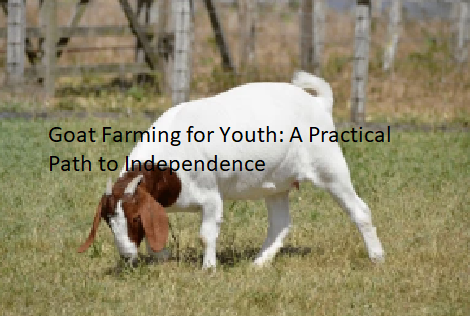
Meat breeds such as the Boer or Kiko are bred for rapid growth and high muscle mass, allowing for faster turnover if you are selling to local markets. If you are interested in luxury textiles, the Angora or Cashmere goat provides a secondary income stream through periodic shearing.
Researching the breed’s temperament is just as important as evaluating its production capacity. Some breeds are more docile and easier to handle for a single operator, while others can be flighty and difficult to manage without specialized equipment.
Consult with local agricultural extension offices or the Purdue University Department of Animal Sciences to see which varieties thrive in your specific soil and vegetation type. Matching the animal to your environment reduces the need for expensive supplemental feed and medical interventions.
Managing Herd Nutrition and Health
Goats are browsers rather than grazers, meaning they prefer brush, shrubs, and weeds over lush, flat grass. This feeding behavior makes them excellent land managers, as they can clear overgrown pastures that other livestock might ignore.
You must supplement their browse with high-quality hay during the dormant season to maintain body condition scores. Mineral blocks specifically formulated for goats are mandatory, as their copper requirements differ significantly from those of sheep or cattle.
Preventative health care is the backbone of a sustainable herd. You should establish a relationship with a large-animal veterinarian before you even purchase your first goat.
Routine tasks include hoof trimming every six to eight weeks and monitoring for internal parasites, which remain the primary health challenge for small-scale goat farmers. Developing a fecal egg count monitoring program will help you avoid over-treating with dewormers, which prevents the development of resistant parasite strains on your property.
Financial Planning and Revenue Streams
Diversifying your income streams is the hallmark of successful goat farming for women entrepreneurs. Relying on a single source of revenue, such as selling kids at auction, leaves you vulnerable to price fluctuations in the commodity market. Many producers find that value-added products, such as yogurt, soap, or even goat yoga classes, provide more stable and predictable monthly cash flow.
| Product Type | Market Potential | Estimated Margin |
|---|---|---|
| Raw Milk | Low to Medium | 15-20% |
| Artisan Cheese | High | 40-60% |
| Goat Milk Soap | High | 50-70% |
| Registered Kids | Medium | 30-40% |
Tracking your expenses is non-negotiable if you want to scale your operation beyond a hobby. Use simple accounting software to categorize your feed, veterinary, and infrastructure costs against your monthly sales. Reviewing these figures quarterly will allow you to identify which products are actually generating a profit and which ones are simply consuming your time.
Scaling Your Operation Sustainably
Growth should be gradual to avoid overwhelming your infrastructure and your personal capacity. Start with a small, manageable group of three to five animals to learn the nuances of their behavior and health needs.
Once you have mastered the daily routine and established a consistent customer base, you can begin to retain your best doe kids for herd expansion. This approach is often more cost-effective than purchasing adult animals from unknown sources, which carries the risk of introducing diseases like Caseous Lymphadenitis into your herd.
Effective time management is essential as your herd size increases. Invest in labor-saving equipment, such as automatic waterers or self-feeders, to reduce the time spent on daily chores.
Organizing your workspace so that feed, medical supplies, and tools are easily accessible can save hours of labor each week. Remember that your time has value, and you should calculate your labor costs into the final price of your products to ensure your business remains truly viable.
Marketing Your Goat Products
Direct-to-consumer sales represent the most profitable route for small-scale operations. Farmers’ markets, local food co-ops, and farm-gate sales allow you to capture the full retail value of your goods.
Building a brand narrative that highlights your specific farming practices, such as pasture-raised or humanely managed, can justify premium pricing. Social media platforms, particularly Instagram and Facebook, are powerful tools for showcasing your daily operations and connecting with potential customers.
Networking with other local producers can open doors to collaborative marketing efforts. Consider partnering with other farms to create “farm boxes” or shared delivery routes, which reduces your logistics costs.
Transparency is a major selling point in the modern agricultural market; customers want to know where their food comes from and how the animals are treated. Hosting occasional farm tours or workshops can build customer loyalty and create an additional, low-effort revenue stream.
Key Considerations for New Entrants
* Zoning Laws: Always check local ordinances regarding livestock density per acre before purchasing animals.
* Biosecurity: Implement strict quarantine protocols for any new animals brought onto your property to protect your existing herd.
* Record Keeping: Maintain detailed logs of breeding dates, vaccinations, and health issues for every individual animal.
* Water Access: Ensure you have a reliable, clean water source that can be easily accessed by the herd in all weather conditions.
* Emergency Fund: Keep a cash reserve specifically for unexpected veterinary emergencies or sudden infrastructure repairs.
Frequently Asked Questions
Is goat farming for women entrepreneurs a profitable venture?
Yes, it can be highly profitable when you focus on value-added products like cheese, soap, or registered breeding stock. Profitability depends on keeping overhead costs low and finding local markets that appreciate high-quality, artisanal products.
How many goats do I need to start?
Starting with three to five does is the industry standard for beginners. This number is small enough to manage easily while still providing enough milk or offspring to test your market and learn the necessary husbandry skills.
How many acres are required for a small herd?
You can comfortably support a small herd of five to ten goats on as little as one to two acres, provided the land is well-managed. Goats are efficient browsers, but they do require rotation to prevent overgrazing and to help manage parasite loads in the pasture.
What is the biggest challenge for new goat farmers?
Parasite management is consistently cited as the primary challenge for new producers. Developing a proactive health plan, keeping pastures clean, and maintaining a good relationship with a vet are the most effective ways to mitigate this risk.
Can I make money with goats if I have a full-time job?
Yes, but you must prioritize automation and efficiency. If your setup is designed for ease of care, you can maintain a small herd with a few hours of work each day, though you will need to plan for someone to help during kidding season.
Moving Forward with Your Goat Business
Starting your own operation in this sector requires a blend of agricultural knowledge and business discipline. By focusing on your niche and maintaining high standards for animal health, you can build a resilient enterprise.
The most successful operators are those who continuously educate themselves on best practices and remain flexible enough to pivot when market conditions change. You should begin by assessing your land and budget, then selecting a breed that aligns with your specific production goals.
The journey into goat farming for women entrepreneurs is both challenging and deeply rewarding. It offers a unique opportunity to connect with your community while building an asset that can grow alongside your expertise. Take the time to visit established farms in your area to observe their operations and ask questions about their daily routines.
Once you have a solid plan in place, start small, stay consistent, and focus on delivering a high-quality product to your local market. Your dedication to the craft will serve as the foundation for your long-term success in this rewarding agricultural field.
