

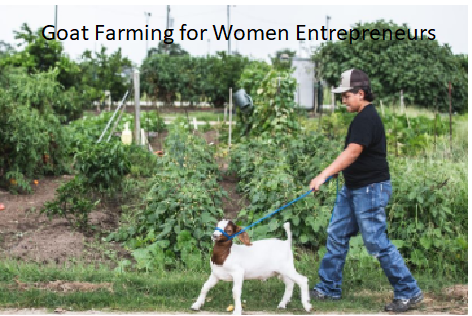
Engaging in goat farming for retirees offers a unique blend of physical activity, mental stimulation, and potential supplemental income. Many individuals nearing the end of their primary careers find that managing a small herd provides a structured routine that keeps them active on their own terms. This pursuit requires careful planning regarding space, breed selection, and physical labor requirements to ensure it remains a rewarding hobby rather than an overwhelming burden.
If you are wondering about the financial reality of goat farming for retirees, the initial startup costs for a small hobby herd of three to five goats typically range between $1,500 and $3,500. This estimate covers basic shelter construction, initial fencing, health supplies, and the purchase of starter livestock.
Monthly maintenance costs, including high-quality hay, mineral supplements, and routine veterinary checkups, generally fall between $40 and $80 per goat. Profitability is rarely immediate for small-scale operations, as most retirees focus on self-sufficiency or niche product sales rather than commercial-scale meat or dairy production.
Selecting the Right Breed for Your Goals
Choosing the correct breed is the most influential decision you will make when starting your farm. Dairy breeds like the Nubian or Alpine require twice-daily milking, which dictates your daily schedule and prevents long-distance travel. If you want a lower-maintenance lifestyle, meat breeds such as the Boer or Kiko are far more forgiving of a flexible retirement schedule.
Fiber goats, specifically Angora or Cashmere varieties, occupy a middle ground between dairy and meat in terms of daily demand. They require annual shearing, which can be a physically taxing event that might necessitate hiring professional help. Consider your physical mobility when selecting a breed, as larger goats like the Boer can weigh over 200 pounds, requiring significant strength to handle safely during medical checks.
Smaller breeds like the Nigerian Dwarf are becoming the gold standard for many retirees due to their manageable size and friendly temperament. These goats are easier to transport, require less feed, and are significantly less intimidating to handle during routine health maintenance. They produce high-butterfat milk, which is excellent for cheese or soap making, providing a creative outlet for your retirement years.
Infrastructure and Fencing Requirements
Goats are notoriously clever and will exploit any weakness in your perimeter to find better forage. A high-quality, woven-wire fence is the industry standard, typically standing 48 to 52 inches tall to prevent jumping. Avoid traditional barbed wire, as it can cause significant injuries to goats that attempt to push through or rub against the strands.
Your shelter needs to provide a dry, draft-free environment that allows for at least 15 square feet of indoor space per goat. While goats are hardy, they are highly susceptible to respiratory issues if kept in damp or poorly ventilated conditions during winter months. Elevated wooden platforms inside the barn are essential, as goats prefer to sleep off the cold, hard ground.
The following table compares the typical space and resource needs for different goat categories to help you plan your property layout:
| Goat Type | Space Needed (per head) | Daily Interaction | Primary Output |
|---|---|---|---|
| Dairy | 20 sq. ft. | High (Milking) | Milk/Cheese |
| Meat | 15 sq. ft. | Low | Meat/Kids |
| Fiber | 15 sq. ft. | Medium | Wool/Mohair |
| Pet/Brush | 12 sq. ft. | Low | Weed Control |
Managing Daily Nutritional Needs
Goats are browsers, not grazers, meaning they prefer to eat leaves, twigs, and shrubs over short, manicured grass. Providing a varied diet is essential for preventing common digestive issues like bloat or mineral deficiencies. You should always provide free-choice access to clean water and a high-quality loose mineral mix specifically formulated for goats.
High-quality hay should make up the bulk of their winter diet, with alfalfa or orchard grass being popular choices among experienced owners. Avoid feeding kitchen scraps unless you have thoroughly researched their toxicity, as many common plants and vegetables can be fatal to goats. Consult the eXtension Foundation for regional guidance on forage management and toxic plant identification in your specific climate zone.
Supplementing with grain is often unnecessary for pets or brush-clearing goats and can lead to obesity or urinary calculi, especially in wethers. If you are keeping dairy goats, grain is a necessary energy source during lactation, but it should be carefully measured. Always introduce new feed types gradually over a period of 7 to 10 days to allow their rumen flora to adjust.
Health and Preventative Care
A proactive approach to health is the best way to keep your veterinary bills to a minimum. Most retirees find that performing their own basic health checks—such as checking eyelid color for anemia or monitoring body condition scores—saves significant time and money. You will need to establish a relationship with a large-animal veterinarian before you even bring your first goat home.
Parasite management is the most significant health challenge for goat owners in humid or warm climates. Using the FAMACHA system, which involves checking the color of the inner eyelid, allows you to determine if a goat needs deworming without relying on ineffective blanket treatments. Over-deworming is a major issue in the industry, as it leads to drug-resistant parasite populations that are difficult to eradicate.
Routine vaccinations for common diseases like Clostridium perfringens types C and D and Tetanus (the CD&T vaccine) are non-negotiable. These are typically administered annually, with kids requiring a booster series shortly after birth. Keeping a detailed health log for each animal will help you track vaccination dates, weight gains, and any recurring health issues.
The Reality of Physical Labor
Goat farming is an active lifestyle that will keep you moving, but you must be honest about your physical limitations. Hauling 50-pound hay bales, cleaning out stalls, and wrestling a reluctant animal for hoof trimming are tasks that require stamina. Many retirees opt to build smaller, more efficient barns that allow for easier cleaning with a wheelbarrow or small tractor.
Hoof trimming is a task that must be performed every 6 to 8 weeks to prevent lameness and infections like foot rot. If you struggle with kneeling or bending, you can build or purchase a “milking stand” or “trimming stanchion” that elevates the goat to a comfortable working height. This simple piece of equipment can save your back and make the process significantly safer for both you and the animal.
You should also plan for times when you are unable to perform manual labor due to travel or health flare-ups. Having a reliable neighbor or a local teenager who can be trained to handle basic chores is a smart contingency plan. Never assume you will always be able to handle every aspect of the farm alone, as goats require consistent care regardless of your energy levels.
Marketing Products and Supplemental Income
While many retirees view goats as a hobby, some choose to offset their costs by selling products or services. Selling goat milk soap or lotion is a popular way to turn a surplus of milk into a small profit without the regulatory hurdles of selling raw milk. These products have a long shelf life and can be sold at local farmers’ markets or through online craft platforms.
Brush management is another service that can generate income for farm owners with extra acreage. Goats are excellent at clearing poison ivy, kudzu, and invasive shrubs that machines struggle to reach. Renting out your herd for “targeted grazing” services is an emerging business model, though it requires specialized portable fencing and transportation trailers.
* Direct sale of goat milk soap and skincare items.
* Selling surplus kids to local 4-H clubs or hobby farmers.
* Leasing goats for invasive plant removal.
* Hosting farm tours or educational workshops.
* Selling manure as high-quality, composted garden fertilizer.
Building a Community of Support
You do not have to learn everything through trial and error, as there is a robust community of goat enthusiasts available for advice. Joining a local chapter of the American Goat Society or the American Dairy Goat Association connects you with experienced breeders who can mentor you. These organizations often hold regional shows and workshops that provide hands-on training for new owners.
Online forums and local social media groups are also valuable resources, though you should verify any medical advice against professional veterinary standards. It is often helpful to visit other farms in your area to see how they handle their infrastructure and daily routines. Seeing a successful setup in person can save you from making expensive mistakes during the construction phase of your own project.
Be wary of taking advice from individuals who do not have a track record of animal longevity in their herd. A good mentor will emphasize herd health, biosecurity, and sustainable management practices rather than just focusing on show wins or rapid breeding. Building a network of peers allows you to share equipment, bulk-buy feed, and provide mutual support during emergencies.
Frequently Asked Questions
How much space do I need for a small herd?
You should plan for at least 15 square feet of indoor shelter space and 200 to 300 square feet of outdoor exercise area per goat. Overcrowding is a leading cause of stress and disease, so it is better to start with fewer animals and expand only if your land can support them.
What is the typical lifespan of a goat?
Most goats live between 10 and 15 years with proper care, nutrition, and regular veterinary oversight. Factors like internal parasite control, predator protection, and high-quality mineral supplementation play a major role in determining how long your herd remains healthy and productive.
How much does it cost to feed a goat monthly?
Depending on your location and the availability of local hay, you should budget between $40 and $80 per month for feed and supplements for a single goat. Prices fluctuate based on the quality of the hay, the goat’s life stage, and whether you are providing grain or specialized minerals.
Do I need a livestock guardian dog?
If you live in an area with coyotes, stray dogs, or other predators, a guardian animal is highly recommended to protect your herd. Great Pyrenees, Anatolian Shepherds, and Maremmas are common breeds used for this purpose, but they require their own training, feeding, and veterinary care.
Is it difficult to milk a dairy goat daily?
Milking requires a strict, twice-daily schedule that must be maintained regardless of weather or personal plans. While the physical act of milking becomes quick and easy with practice, the commitment to being present at the same time every morning and evening is the biggest challenge for retirees.
Conclusion
Goat farming for retirees is a rewarding way to stay physically active and mentally engaged while contributing to a sustainable lifestyle. By starting small and prioritizing proper infrastructure, you can avoid the common pitfalls that lead to early burnout. Focus on selecting breeds that match your physical capabilities and your long-term goals for the property.
Whether you are looking for fresh milk, natural brush control, or simply the companionship of these intelligent animals, a well-planned farm will provide years of satisfaction. Remember to build your support network early and consult with professionals for medical decisions. With careful preparation, you can enjoy the many benefits that goat farming for retirees brings to your daily routine.
