

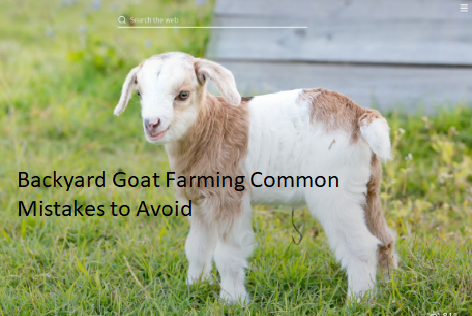
Navigating the nuances of backyard goat farming common mistakes requires a blend of practical animal husbandry and careful long-term planning. Many new keepers underestimate the physical demands and legal complexities involved in maintaining a small herd on a residential plot. Understanding these pitfalls early allows you to build a sustainable setup that thrives rather than struggles.
By addressing shelter requirements, dietary precision, and medical preparedness immediately, you can avoid the most frequent errors that lead to herd loss or legal trouble. This article provides the actionable insight necessary to manage your animals with confidence and safety.
The single most frequent error is underestimating the space and fencing requirements needed to keep goats contained and healthy. Goats are notorious escape artists that view standard garden fencing as a minor challenge rather than a barrier. They require woven wire fencing at least 48 inches high to prevent climbing or jumping.
Many beginners assume a simple electric strand or poultry wire will suffice, leading to frequent disappearances and property damage. If your perimeter is weak, you are inviting predators like coyotes or stray dogs into your backyard.
Essential Space and Fencing Reality
Most residential ordinances require a minimum of 0.25 to 0.5 acres for two goats, depending on your local zoning laws. Overcrowding is a major contributor to parasite loads, as goats graze close to the ground where larvae thrive.
You should never assume that a small suburban lot is sufficient without checking your specific municipal code. Many cities mandate a specific distance between goat housing and neighboring windows or property lines. Failing to check these regulations first is a common oversight that often leads to forced removal of the animals.
| Factor | Common Mistake | Recommended Standard |
|---|---|---|
| Fencing Height | 36 inches | 48 inches or higher |
| Grazing Area | Less than 0.1 acre | 0.25 to 0.5 acres minimum |
| Shelter Space | Shared with chickens | 12-15 sq. ft. per goat |
| Water Access | Manual refilling | Automatic float system |
Inadequate Nutritional Management
Feeding goats the same scraps you give chickens is a recipe for long-term health decline. Goats are specialized browsers, not lawnmowers, and they require a diet rich in roughage like high-quality hay. A common error involves feeding too much grain, which can cause life-threatening conditions like urinary calculi in bucks. You should provide a loose mineral supplement specifically formulated for goats rather than generic livestock blocks. Always monitor body condition scores to ensure your animals are neither too thin nor dangerously obese.
Ignoring Preventive Health Care
Many owners wait until a goat looks visibly ill before calling a veterinarian, which is often too late. Goats are prey animals and naturally hide signs of sickness until they are in a critical state. You must establish a relationship with a large-animal vet before you bring your first goat home. Routine tasks like hoof trimming every 6 to 8 weeks and FAMACHA eye-chart scoring for parasite monitoring are non-negotiable. If you cannot perform basic medical procedures yourself, you must be prepared for the high cost of emergency farm calls.
* Establish a relationship with a large-animal veterinarian immediately.
* Keep a dedicated medical kit with thermometers, antiseptic, and electrolytes.
* Implement a strict quarantine protocol for any new animal entering the herd.
* Maintain a calendar for deworming, vaccinations, and hoof maintenance.
* Learn to recognize the early signs of bloat and respiratory infections.
Poor Shelter Design and Ventilation
Goats are extremely sensitive to dampness, which leads to pneumonia and hoof rot. A common mistake is building a shed that is too airtight, trapping moisture and ammonia from urine. Your shelter should have at least one side open or heavily ventilated near the roofline to ensure constant airflow.
The floor must remain dry, requiring frequent cleaning and the use of absorbent bedding like straw or wood shavings. If you see condensation inside the barn on a cold morning, your ventilation is insufficient.
Misunderstanding Goat Social Needs
Goats are herd animals that experience severe stress when kept in isolation. A solo goat will become loud, destructive, and prone to illness due to persistent anxiety.
You should always keep at least two, though three is often the ideal number for a stable social dynamic. Never assume that a human or another animal species, like a dog, can replace the companionship of another goat. Neglecting their need for a herd structure is a fundamental error that makes management significantly harder.
Underestimating Time Commitments
Backyard goat farming is a daily responsibility that does not allow for weekends off.
You must check on your animals at least twice a day to ensure they have fresh water and are acting normally. Neglecting daily observations often leads to missing early warning signs of injury or predator attacks. If you travel frequently, you must have a reliable person trained in goat care to step in.
The commitment is significant, and it is a mistake to view goats as low-maintenance lawn ornaments.
The Dangers of Foraging Errors
Goats will eat almost anything, but that does not mean they should. Many common backyard plants are toxic to goats, including azaleas, rhododendrons, and mountain laurel. A common mistake is assuming that goats have an innate ability to avoid all poisonous vegetation in a landscape.
You must conduct a thorough survey of your property and remove or fence off any hazardous plants. It is also wise to consult the ASPCA list of toxic plants to ensure your grazing area is safe.
Financial Planning and Hidden Costs
The initial purchase price of a goat is often the cheapest part of the entire experience. You must factor in the cost of high-quality hay, grain, minerals, and recurring veterinary bills.
Many beginners are shocked by the price of emergency surgeries or specialized medications when an animal gets sick. Create a dedicated emergency fund specifically for your goats to avoid financial strain during a crisis. If you treat your goats as an investment rather than an expense, you will be better prepared for the reality of ownership.
Frequently Asked Questions What is the most common cause of death in goats?
The most frequent cause of mortality in backyard herds is often related to internal parasites, specifically Haemonchus contortus, or “barber pole worm.”
Because goats graze close to the ground, they easily ingest larvae in wet, warm conditions, leading to severe anemia. If not managed through regular monitoring and appropriate deworming, this parasite can kill a healthy goat in a matter of weeks. Regular fecal testing is essential to prevent this.
Why is baking soda provided to goats?
Baking soda is a free-choice supplement that helps goats manage their rumen pH levels.
Goats are prone to digestive upsets and bloat if they consume too much grain or lush spring grass. By allowing them access to plain, non-expired baking soda, they can self-regulate their acidity. It is a simple, inexpensive preventative measure that should always be available in a dry container.
How many acres does one goat need?
While you can technically keep a goat in a small space with heavy management, the industry standard for sustainable grazing is roughly one acre for every 4 to 6 goats.
If you have a smaller plot, you must rely on supplemental hay and be extremely diligent about cleaning up manure to prevent parasite buildup. Overgrazing a small space will turn your yard into a mud pit, which is a major health risk. Providing a dry, high-traction surface is vital for hoof health.
How often should I trim goat hooves?
Most goats require a hoof trim every 6 to 8 weeks to prevent overgrowth and infections like foot rot.
If you notice the hoof wall curling under or looking uneven, it is time for maintenance. Neglecting this task causes the goat to walk improperly, leading to joint pain and long-term lameness. Always use sharp shears and keep a styptic powder on hand in case you accidentally nick the quick.
Why do my goats keep escaping the yard?
Goats are highly intelligent and curious animals that constantly test their boundaries.
If your fence is flimsy, has low spots, or contains gaps, they will find them. They also often escape if they are bored or lack sufficient forage, prompting them to look for better food on the other side. Reinforcing the bottom of your fence and providing enrichment, such as climbing structures or wooden spools, can reduce the urge to wander.
Avoiding these common mistakes in your own setup ensures that your experience remains rewarding rather than overwhelming. Backyard goat farming is a rewarding pursuit when approached with the right level of preparation and respect for the animal’s needs. By focusing on secure infrastructure, proper nutrition, and proactive health monitoring, you set your herd up for long-term success.
Always remember that your animals rely entirely on your ability to provide a safe and consistent environment. Start small, stay observant, and do not hesitate to consult local experts when you encounter challenges. With careful planning, you can avoid the most frequent pitfalls and enjoy the unique benefits of keeping goats at home.
