

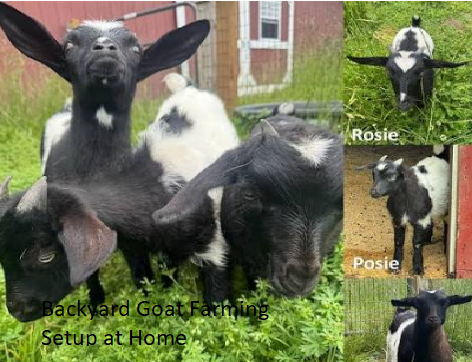
Starting a backyard goat farming setup at home offers a unique way to produce fresh milk, manage brush, or simply enjoy the company of intelligent animals. Success requires careful planning regarding space, legal zoning, and daily maintenance schedules.
By understanding the specific infrastructure needs and animal husbandry requirements, you can build a sustainable system that works for your property size. This article outlines the essential components of a functional goat environment, helping you transition from initial interest to hands-on management of your own small herd.
Infrastructure and Housing Requirements
Building a secure, dry, and well-ventilated shelter is the most critical step for any backyard goat farming setup at home. Goats are notoriously sensitive to damp conditions and drafts, which can lead to respiratory issues like pneumonia.
A simple three-sided shed facing away from prevailing winds often suffices in temperate climates. Ensure the roof is watertight and the floor remains elevated or bedded with deep straw to keep animals off the cold, wet ground.
Space requirements vary by breed, but a good rule of thumb is providing at least 15 square feet of indoor space per standard-sized dairy goat. If you are keeping smaller breeds like Nigerian Dwarfs, you can often get away with slightly less, but ventilation remains non-negotiable. Always prioritize height; goats love to climb and jump, so ensure your walls are sturdy enough to withstand their natural curiosity.
Fencing represents your largest ongoing maintenance task and your primary defense against predators. A standard woven-wire fence at least 48 inches high is generally recommended to keep goats contained.
You may need to add a top strand of electric wire if your goats are particularly talented at jumping or leaning on the mesh. Before purchasing materials, check your local municipal codes to ensure you meet specific setback requirements from property lines.
Estimating Initial Setup Costs
The financial commitment for a backyard goat farming setup at home fluctuates based on your existing infrastructure and local material prices. You can expect to spend anywhere from $500 to $2,000 to get a basic, functional system operational.
This range includes the purchase of two goats, basic fencing, a starter shelter, and essential health supplies. Many owners find that repurposing existing sheds or pallet wood significantly reduces the initial capital outlay.
Ongoing expenses are easier to predict once the hardware is in place. Feed, hay, routine veterinary care, and mineral supplements represent your primary monthly overhead.
A single goat typically consumes between 2 to 4 pounds of hay per day, depending on the quality of available pasture. If you do not have adequate grazing room, you must factor in the recurring cost of high-quality alfalfa or grass hay.
| Expense Category | Estimated Start-up Cost | Annual Maintenance |
|---|---|---|
| Shelter Construction | $200 – $800 | $50 – $100 |
| Fencing Materials | $300 – $1,000 | $50 – $150 |
| Initial Livestock Purchase | $150 – $400 per doe | N/A |
| Health & Wellness Kit | $100 – $200 | $100 – $200 |
Pasture Management and Nutrition
Rotational grazing is the gold standard for maintaining healthy animals and a productive landscape. By dividing your available land into smaller paddocks, you allow sections of grass to recover while others are being grazed.
This practice effectively breaks the life cycle of many internal parasites, which are the most common health challenge for goats. A goat’s digestive system is highly efficient, but they are also browsers rather than grazers, preferring weeds and brush over lush, manicured grass.
Providing access to clean water is a non-negotiable aspect of your daily routine. Goats are picky drinkers and will refuse water that has been fouled by debris or algae.
Automatic waterers or heavy-duty troughs that are easy to scrub clean are excellent investments for your backyard setup. In winter months, consider investing in a tank heater to prevent water from freezing, as dehydration is a leading cause of urinary calculi in bucks.
Mineral supplementation is essential because most backyard soil lacks the specific balance required for caprine health. You must provide a loose, goat-specific mineral mix that contains copper, as goats have different requirements than sheep or cattle.
Access to a block or loose mineral feeder ensures they can self-regulate their intake throughout the day. You can find detailed nutritional guidelines through the Penn State Extension goat management resources to help refine your feeding strategy.
Health and Veterinary Care
A proactive approach to health is far more effective than reacting to an emergency. You should establish a relationship with a large-animal veterinarian before you even bring your goats home.
Many small-animal vets do not possess the training or equipment to handle livestock, so finding a specialist early is vital. Keep a basic medical kit stocked with thermometers, antiseptic spray, electrolytes, and a deworming agent recommended by your local vet.
Parasite management is a constant battle in any backyard herd. FAMACHA scoring, which involves checking the color of the goat’s inner eyelid, is a standard method used to identify anemia caused by worms.
You should learn to perform this check monthly to avoid over-using dewormers, which leads to drug resistance. Never treat every goat in the herd at once unless there is a clear clinical need, as this accelerates the development of resistant parasite strains.
Hoof trimming is another maintenance chore that you must master early. Depending on the terrain and the diet, you will likely need to trim hooves every 6 to 8 weeks.
Overgrown hooves cause significant discomfort and can lead to permanent joint issues if neglected. Investing in a quality set of hoof shears and a sturdy trimming stand makes this process manageable and significantly reduces the stress on both you and the animal.
Legal Considerations and Zoning
Before you finalize your backyard goat farming setup at home, you must consult your local zoning board. Many residential areas have strict ordinances regarding livestock, often based on lot size or proximity to neighbors.
Some municipalities require a minimum of one acre per animal, while others allow smaller numbers on modest suburban plots. Ignorance of these laws can lead to fines or the forced removal of your herd, so get written approval if necessary.
Noise and odor are the two most common reasons for neighbor complaints. While goats are generally quieter than roosters or dogs, they can be vocal if they are lonely, hungry, or in heat.
Keeping a herd of at least two is essential for their social well-being, which also helps keep them quiet. Manage manure properly by composting it; this eliminates the smell and provides you with a high-quality fertilizer for your garden.
Consider the visual impact of your setup on your neighbors. A well-constructed, clean shelter looks like an asset to the property, while a pile of scrap wood and rusting wire can be seen as an eyesore.
Maintaining a tidy perimeter and keeping the area around the barn free of debris goes a long way in keeping community relations positive. Always be transparent with neighbors about your plans, as they are less likely to complain if they know what to expect.
Managing Herd Dynamics
Goats are naturally social creatures that thrive in groups, making solitary life detrimental to their health. You should always aim to keep at least two goats, though three or four is often considered the ideal size for a small backyard herd.
This social structure allows them to establish a pecking order, which is a normal and necessary part of their behavior. Disruptions to this order, such as introducing a new goat, can lead to temporary conflicts.
When introducing new members to an established group, always use a quarantine period. Keep the new animal in a separate pen where they can see and smell the others but not touch them.
This period, usually lasting 3 to 4 weeks, allows you to monitor the new goat for illness while minimizing the stress of immediate physical confrontation. Once the quarantine is over, introduce them in a neutral space where the established goats do not feel their territory is under threat.
Recognizing the signs of heat and gestation is crucial if you plan to breed your animals. A doe in heat will often become vocal, show a drop in milk production, and exhibit a swollen vulva.
If you do not intend to breed, you can focus on wethers (castrated males) or does, which are generally easier to manage in a backyard setting. Understanding these behavioral cycles helps you plan your labor and potential milk production schedules more effectively.
Tools and Equipment List
Your daily operations will be significantly easier with the right set of tools. You do not need expensive, industrial-grade machinery, but you do need equipment that is durable and easy to handle.
A good quality muck rake and a wheelbarrow are your most used items for daily barn cleaning. Choose a wheelbarrow with a puncture-proof tire to avoid flat tires when moving heavy loads over rough terrain.
Storage is often overlooked until the first delivery of hay arrives. You need a dry, rodent-proof area to store grain and hay to prevent spoilage and waste.
Metal trash cans with locking lids work well for grain storage, while hay should be kept on pallets to ensure airflow beneath the stack. Keeping these supplies organized saves you time during your morning and evening chores, especially during inclement weather.
* Heavy-duty wheelbarrow or garden cart
* Long-handled manure fork (muck rake)
* Goat-specific mineral feeder
* Hoof trimmers and trimming stand
* Water troughs with scrub brushes
* Storage bins for grain and supplements
* Basic grooming brushes and shampoo
* Thermometer for livestock health monitoring
Frequently Asked Questions
How many goats can I keep on a small plot?
The number of goats you can keep depends on your land’s ability to support them without turning into a mud pit. A general guideline for a backyard setup is two to three goats per quarter-acre, provided you offer supplemental hay. If you rely solely on grazing, you will need significantly more space to ensure the land does not become overgrazed.
Do I need a buck for my backyard herd?
Most backyard owners should avoid keeping a buck, as they are smelly, aggressive, and difficult to manage. It is usually much easier to rent the services of a buck from a local breeder or use artificial insemination if you decide to breed your does. This saves you from the infrastructure requirements of separate housing and the general nuisance of a breeding male.
Are goats compatible with dogs?
Goats and dogs can coexist, but you must be careful about the temperament of your dog. Many breeds have a high prey drive and may harass or injure goats, even if they are friendly with humans. Always supervise interactions until you are absolutely certain your dog respects the goats’ space and does not view them as prey.
What is the most important skill for a new goat owner?
The ability to observe your animals and spot subtle changes in behavior is the most important skill you can develop. Goats are masters at hiding illness until they are quite sick, so noticing that a goat is not eating, is standing apart from the herd, or has a dull coat can save its life. Regular, daily interaction is the best way to develop this intuition.
Can goats live in a garage?
While you can technically house goats in a garage, it is rarely ideal due to ventilation and sanitation concerns. Goats produce significant amounts of ammonia from their urine, which can damage your garage and be harmful to your health. A dedicated, well-ventilated structure is much better for the goats and will keep your garage clean and odor-free.
Long-term Sustainability
Maintaining a backyard goat farming setup at home is a rewarding lifestyle that evolves as you gain experience. Over time, you will find that your routine becomes second nature and your ability to manage the herd improves.
The key to long-term success is avoiding the temptation to overstock your property, which is the most common mistake for beginners. Stick to a number of animals that you can manage comfortably within your time and space constraints.
Focus on the quality of your infrastructure rather than the quantity of your animals. A well-maintained, healthy herd is far more productive and enjoyable than a larger herd that is struggling with poor living conditions or health issues.
As you learn more about your specific breed and the nutritional needs of your goats, you will find ways to optimize your feed and reduce waste. Reach out to local 4-H clubs or agricultural extension agents to connect with other local goat keepers.
These connections provide a wealth of knowledge and support that you cannot find in books or online forums. Sharing tips on local feed suppliers, vets, and housing solutions can solve many of the small problems that arise in any backyard operation. As you become more confident in your management, you will find that the initial effort required to set up your farm pays dividends in the form of healthy animals and a productive, sustainable backyard system.
